Follow Me On Social Media!

Because “still looks okay” is not a food safety strategy
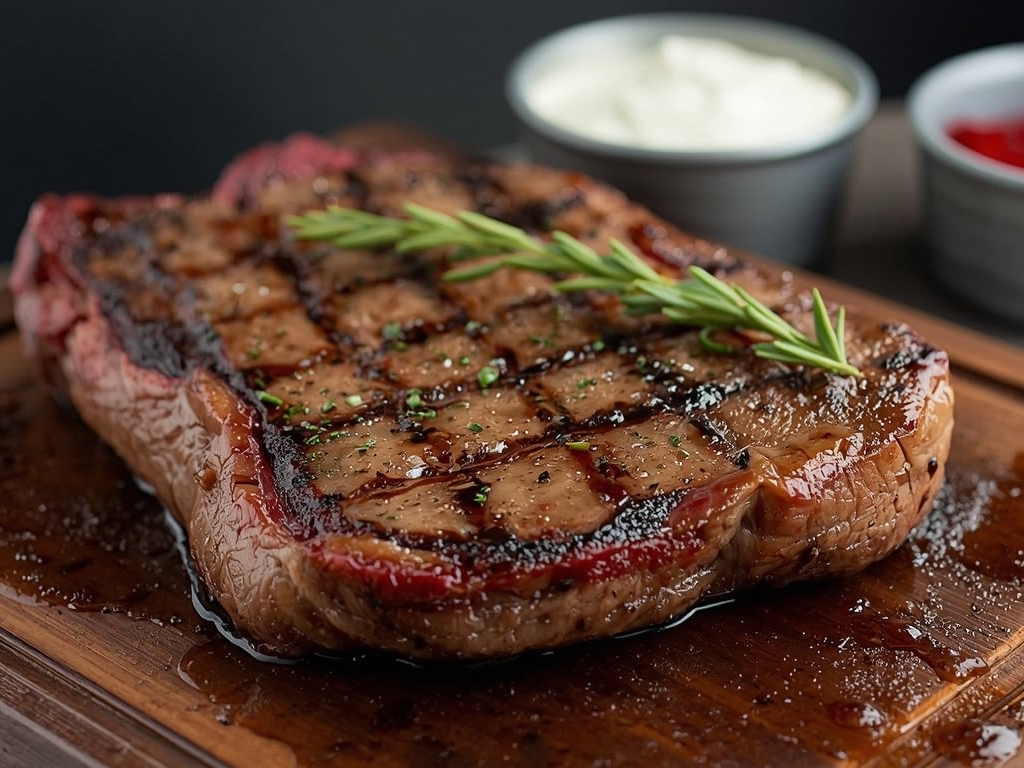
Why Cooked Steak Causes So Much Confusion
Steak feels sturdy. It’s dense, cooked hot, and usually eaten fast. That makes a lot of people overly confident about leftovers. A container of steak sits in the fridge, gets sniffed, poked, maybe reheated once… then put back again.
Here’s the truth: cooked steak absolutely can go bad, and when it does, it doesn’t always announce itself loudly. Sometimes the warning signs are subtle—and ignoring them is how food poisoning happens.
How Long Cooked Steak Is Actually Safe
Before we get to the warning signs, let’s set the baseline.
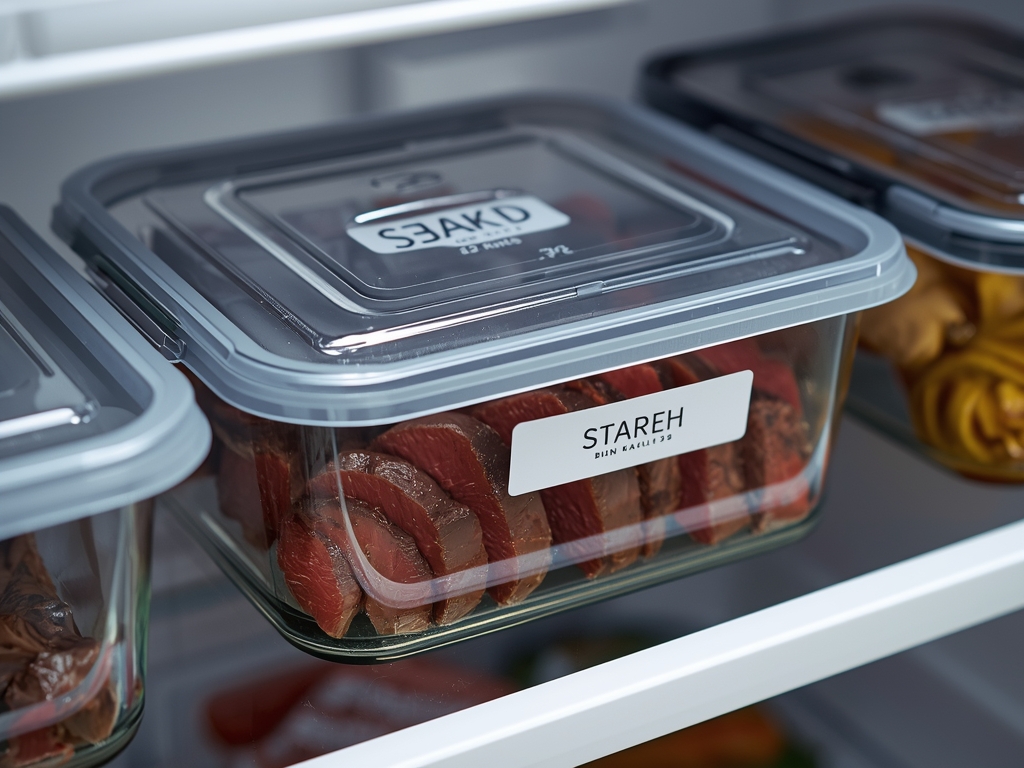
Properly stored cooked steak:
- Refrigerator (≤40°F / 4°C): 3–4 days
- Freezer (airtight): 2–3 months for best quality
That timeline assumes:
- Steak was fully cooked
- Cooled within 2 hours
- Stored in an airtight container
- Not reheated multiple times
If any of those steps were skipped, the clock moves faster.
Sign #1: The Smell Is Sour, Metallic, or “Off”
Fresh cooked steak smells meaty and mild—even cold. When it goes bad, the smell changes first.
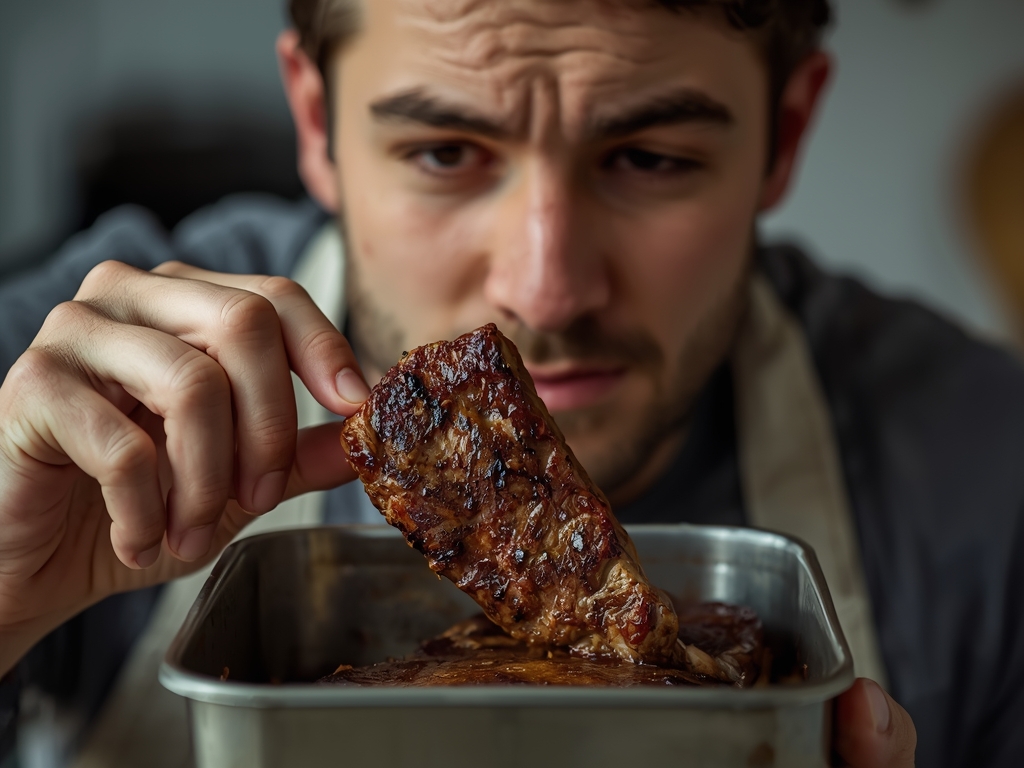
What to watch for
- Sour or acidic odor
- Metallic or ammonia-like smell
- Strong, unpleasant “funk”
If you wrinkle your nose even slightly, don’t taste it. Smell is your earliest and most reliable warning.
Important: Some dangerous bacteria don’t smell, but spoiled steak almost always does.
Sign #2: Slimy or Sticky Surface (Not Just Moist)
Cold steak can feel firm and slightly damp. That’s normal.
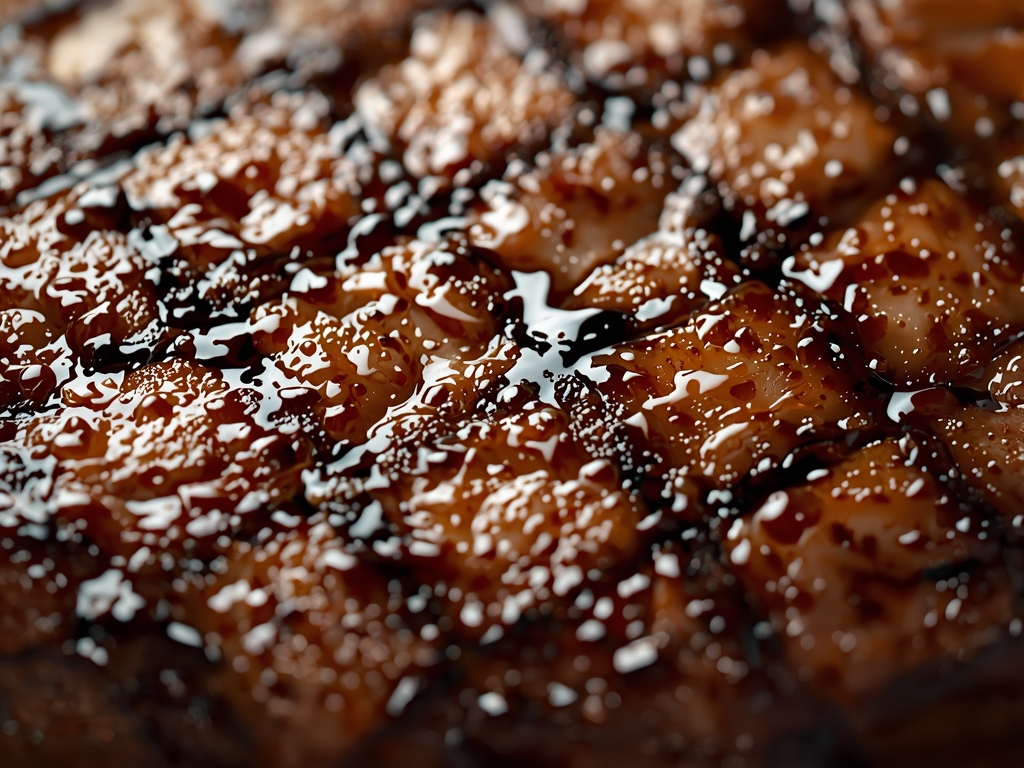
What’s not normal is slime.
Bad texture indicators
- Sticky film on the surface
- Slimy coating that doesn’t rinse off
- Meat fibers separating unnaturally
That slick feeling is a byproduct of bacterial growth. Heating it will not make it safe.
If it feels slippery instead of just juicy, it’s done.
Sign #3: Color Changes You Can’t Explain Away
Cooked steak naturally darkens in the fridge, especially if exposed to air. That alone isn’t spoilage.
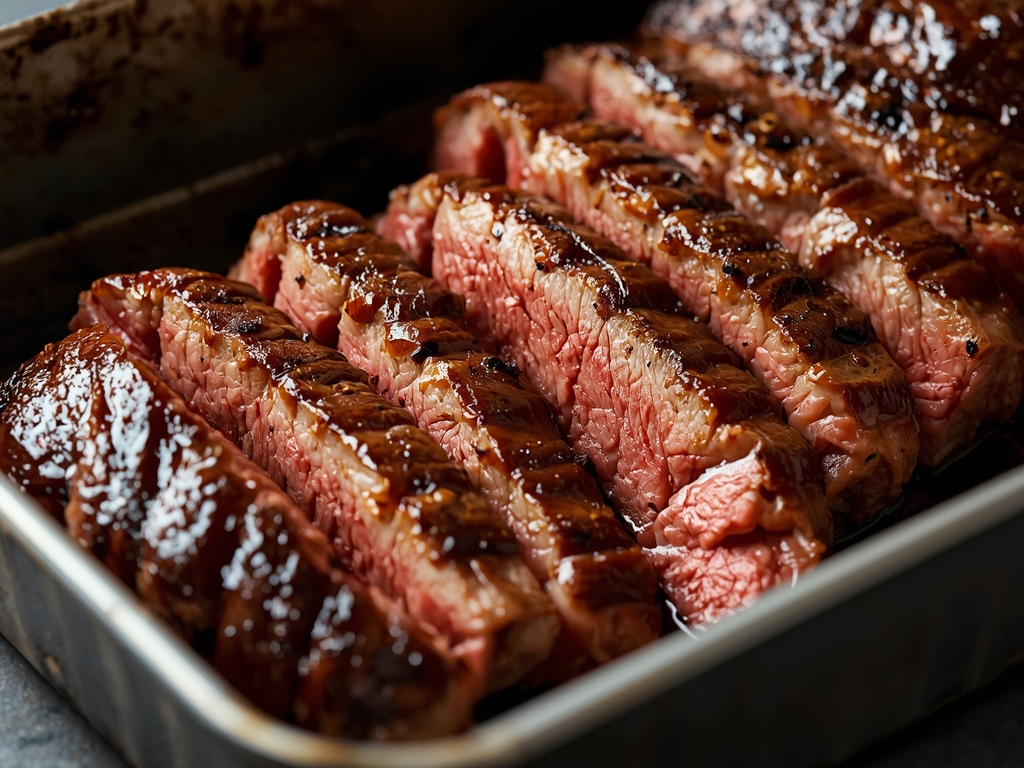
But some color changes are red flags.
Unsafe color signs
- Greenish or gray patches
- Yellow or rainbow-like sheen
- Uneven discoloration with bad smell
If discoloration is paired with odor or slime, don’t second-guess it.
The “Looks Fine, Smells Fine” Trap
Here’s where people get sick.
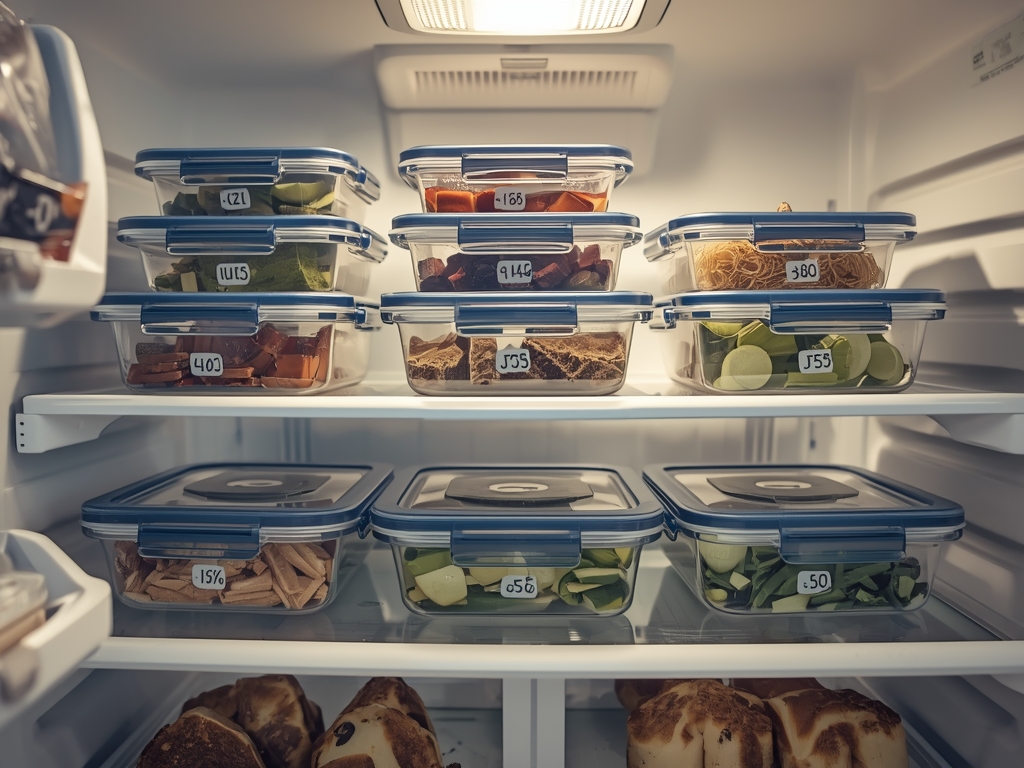
Steak can sometimes:
- Smell normal
- Look okay
- Still be unsafe
This usually happens when steak has:
- Been reheated and cooled multiple times
- Sat out too long before refrigeration
- Been stored past 4 days
If you don’t remember when it was cooked, that’s your answer.
When Cooked Steak Spoils Faster Than Expected
Cooked steak goes bad sooner if it was:
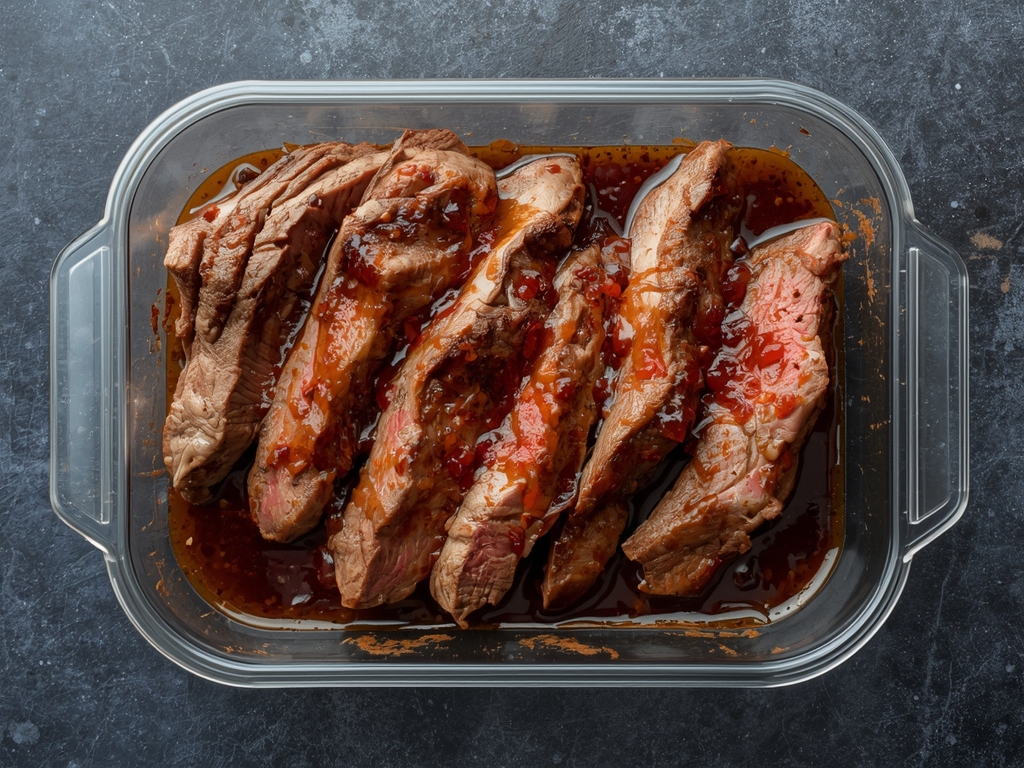
- Sliced before storing (more surface area)
- Stored uncovered or loosely wrapped
- Left out over 2 hours
- Reheated partially and put back
- Mixed with sauces or dairy
Pro rule:
👉 Steak should be cooled once, reheated once, and eaten.
How to Store Cooked Steak So It Lasts (Safely)
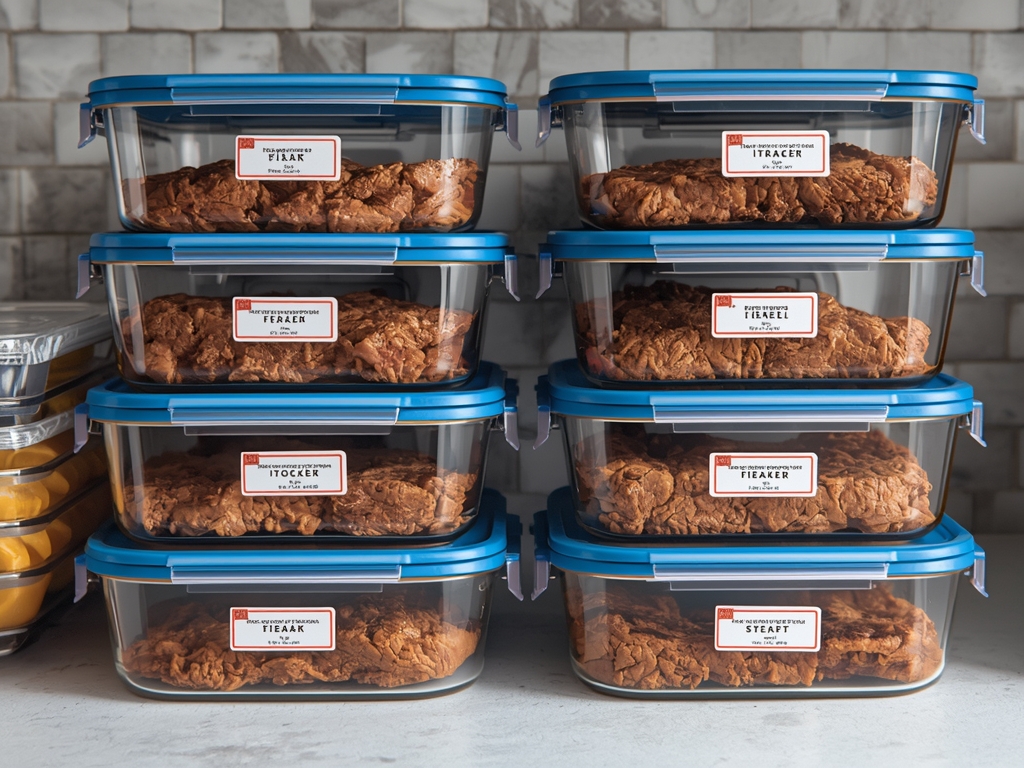
Do this
- Cool within 2 hours
- Store whole pieces when possible
- Use airtight glass containers
- Label with date
- Refrigerate immediately
Avoid this
- Leaving steak on the counter “to cool”
- Wrapping loosely in foil
- Reheating directly from cold multiple times
Quick FAQ – People Also Ask
Can you eat cooked steak after 5 days?
Not recommended. Even if it smells okay, risk increases sharply after day 4.
Does reheating kill bacteria?
It can kill some, but toxins left behind can still make you sick.
Can I freeze cooked steak before it goes bad?
Yes—freeze within 2–3 days of cooking for best safety and quality.
Is gray steak always bad?
No. Oxidation can cause graying. Only discard if paired with smell, slime, or age.
Final Thought
Cooked steak doesn’t go bad dramatically—it goes bad quietly. Smell, texture, and unexplained color changes are your signals. If even one feels wrong, don’t negotiate with it.

Lina leads the Fresh Hacks category, covering food storage tips, freshness preservation, and smart ways to extend the life of your groceries. Her guides help readers keep ingredients at peak quality for longer.

← Previous
The Brown Avocado Betrayal: Why Your Toast Dreams Die by Morning
Next →
Fruit Smoothie Bowls with Crunchy Toppings – No Soggy Salad!