Follow Me On Social Media!

The Great Scale Debate: Precision in Every Pinch
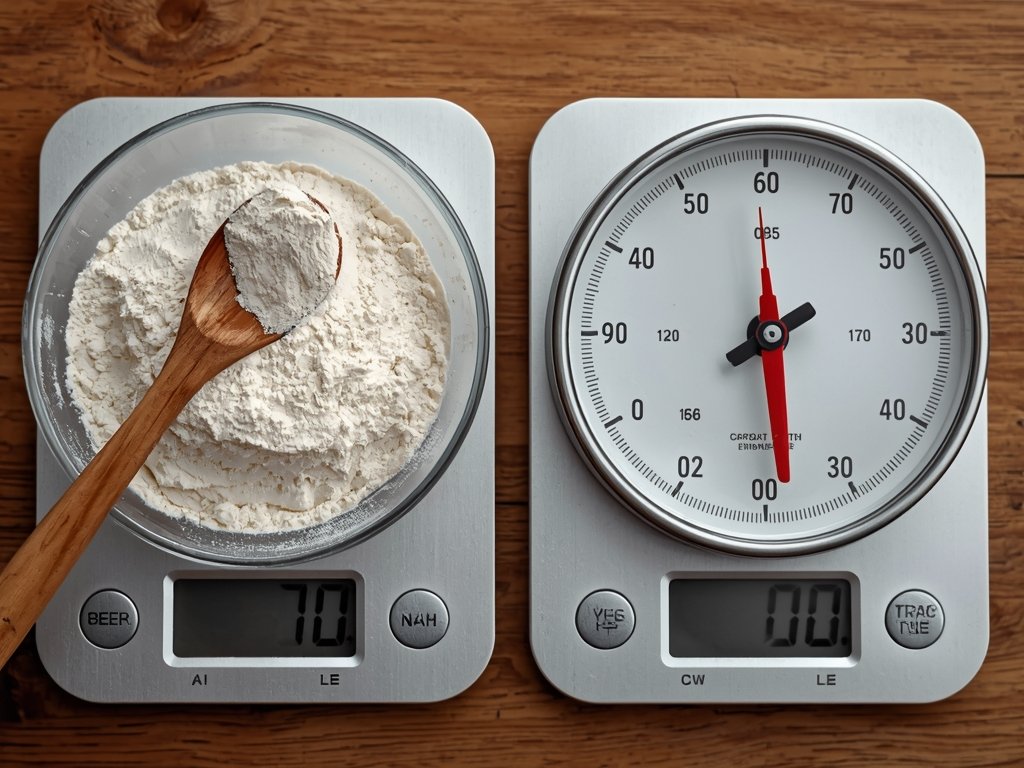
In the heart of every American kitchen, a silent debate rages on: digital vs. analog scales. For bakers across the U.S., from the bustling bakeries of New York to the cozy kitchens of the Midwest, precision is paramount. Baking, often romanticized as an art, is fundamentally a science. Every gram and ounce matters, especially when recreating Grandma’s secret cookie recipe or perfecting a classic apple pie.
But why does the type of scale matter? Isn’t weighing flour just weighing flour? Not quite. The difference between a light, flaky biscuit and a dense, doughy disaster often lies in the precision of your measurements. Let’s dive into why the scale you choose could be the unsung hero of your baking adventures.
The Science Behind Baking: Why Precision Matters

Baking is chemistry in disguise. Unlike cooking, where a pinch of this or a dash of that can be forgiven, baking demands accuracy. Flour, sugar, and leavening agents must be measured with care. Too much baking powder? Your cake might collapse. Too little sugar? Your cookies could turn out flat and flavorless.
This is where scales come into play. While measuring cups are convenient, they’re notoriously inconsistent. A cup of flour can weigh anywhere from 120 to 160 grams depending on how it’s scooped. Scales, on the other hand, provide exact measurements, ensuring your recipes turn out perfectly every time. Whether you’re in the humid South or the dry Southwest, a scale helps you account for environmental factors that affect ingredient weights.
Digital Scales: The High-Tech Baker’s Best Friend
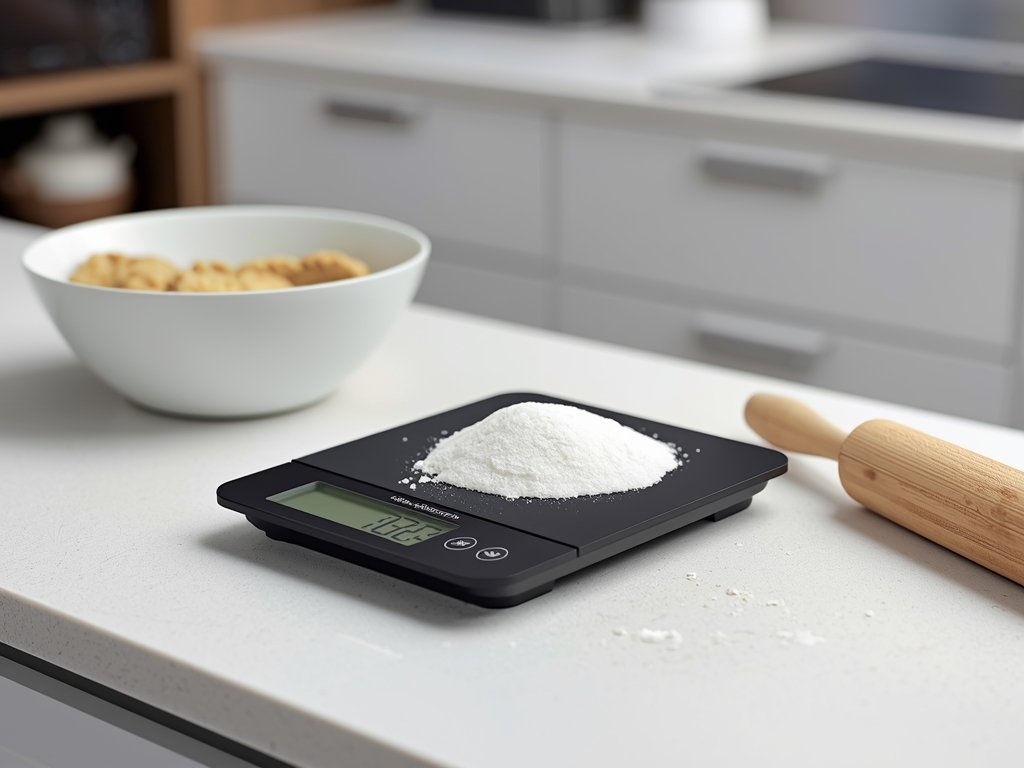
Digital scales have become a staple in many American kitchens, thanks to their ease of use and precision. With a quick glance, you can see exact measurements down to the gram or ounce. Many models even allow you to switch between units, making them versatile for both U.S. and international recipes.
One of the biggest advantages of digital scales is their ability to tare—resetting the weight to zero after adding an ingredient. This feature is a game-changer for bakers who want to measure multiple ingredients in the same bowl without dirtying extra dishes. Plus, their compact design makes them easy to store in even the smallest kitchens.
However, digital scales aren’t without their drawbacks. They require batteries, which can die at the most inconvenient times. And while they’re generally durable, they’re more prone to damage from spills or drops compared to their analog counterparts.
Analog Scales: Old-School Reliability
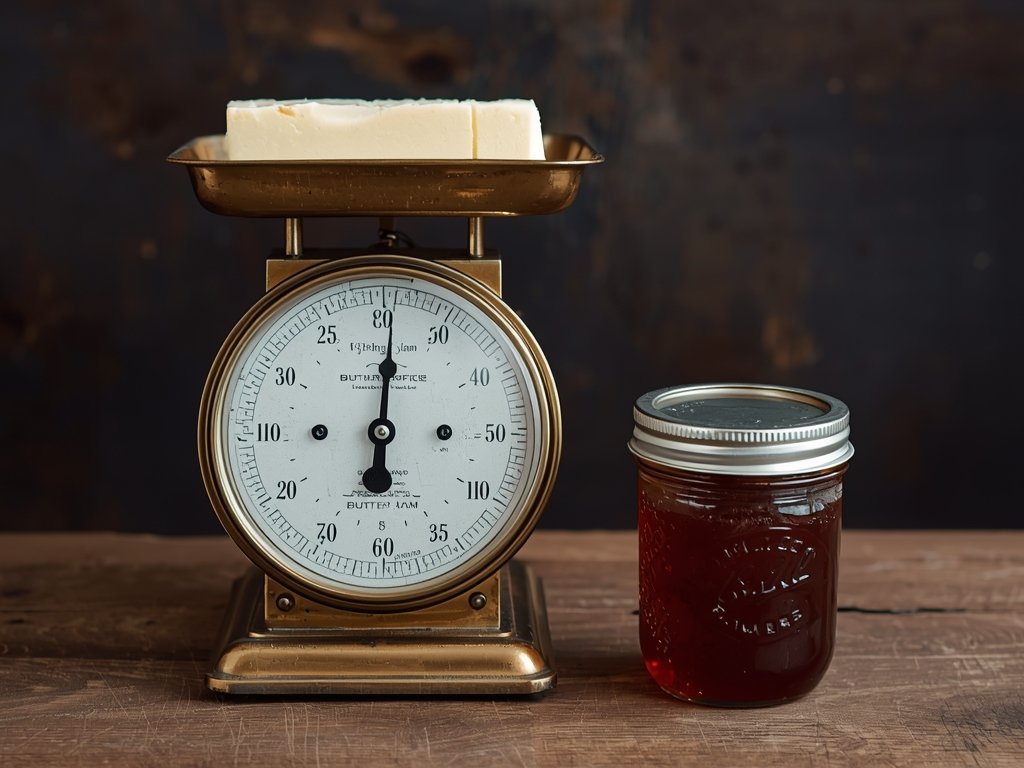
For those who appreciate the charm of traditional tools, analog scales are a timeless choice. These mechanical wonders don’t rely on batteries or digital displays, making them a reliable option for bakers who prefer simplicity. Analog scales often have a classic, nostalgic design that adds a touch of warmth to any kitchen.
One of the standout features of analog scales is their durability. Made with sturdy materials like stainless steel or brass, they can withstand the test of time—and the occasional accidental knock. They’re also less likely to be affected by minor spills, as there are no electronic components to damage.
That said, analog scales have their limitations. Reading the measurements can be tricky, especially when dealing with small quantities. And while they’re generally accurate, they may not offer the same level of precision as digital scales, particularly for delicate recipes like macarons or soufflés.
Digital vs. Analog: Which Scale Reigns Supreme?
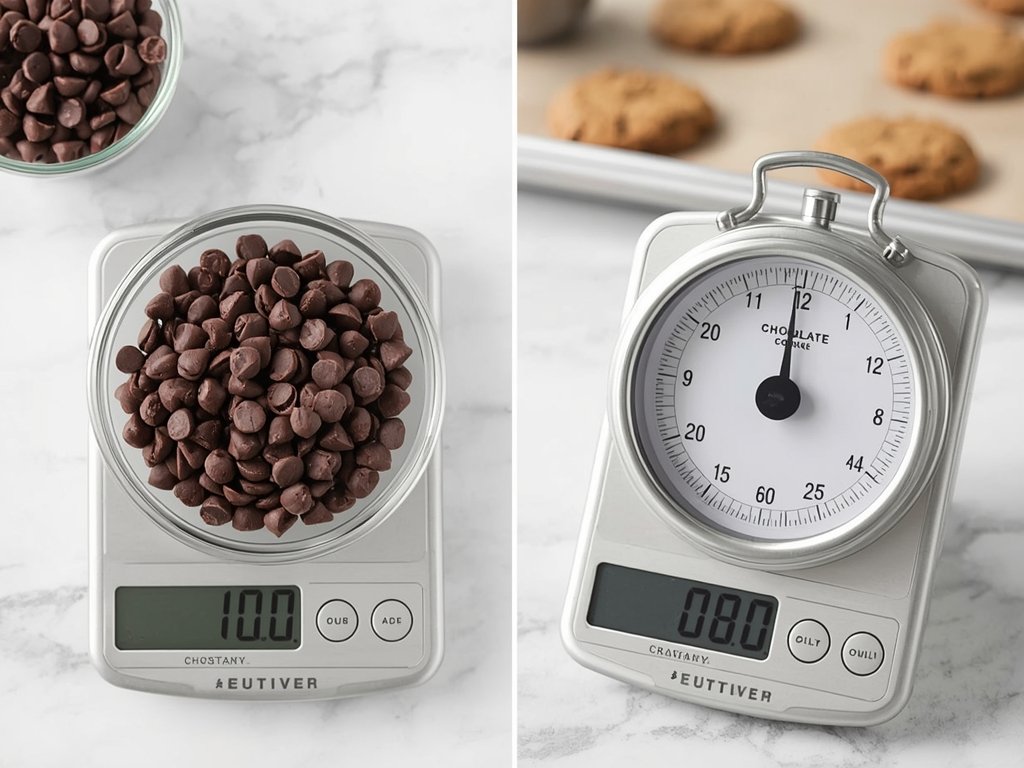
The choice between digital and analog scales ultimately comes down to personal preference and baking style. If you’re a precision-obsessed baker who loves experimenting with intricate recipes, a digital scale is likely your best bet. Its accuracy and convenience make it ideal for modern bakers who want consistent results.
On the other hand, if you’re a traditionalist who values reliability and simplicity, an analog scale might be the perfect fit. Its timeless design and low-maintenance nature make it a great choice for classic recipes and everyday baking.
For many American bakers, the decision also depends on their kitchen setup. Digital scales are a must-have for tech-savvy cooks with smart kitchens, while analog scales blend seamlessly into rustic or vintage-inspired spaces. Ultimately, both scales have their place in the baking world—it’s all about finding the one that suits your needs.
Tips for Choosing the Perfect Scale

Ready to invest in a scale but not sure where to start? Here are a few tips to help you make the right choice:
- Consider your baking frequency: If you bake daily, a digital scale’s convenience might outweigh its need for batteries. For occasional bakers, an analog scale’s simplicity could be more appealing.
- Think about storage: Digital scales are often compact and easy to store, while analog scales can be bulkier. Make sure your chosen scale fits comfortably in your kitchen.
- Check the weight capacity: If you often bake in large batches, opt for a scale with a higher weight limit to accommodate all your ingredients.
- Read reviews: Look for scales with positive feedback from fellow bakers, especially those who use them for similar recipes.
FAQ
Can I use measuring cups instead of a scale for baking?
While measuring cups are convenient, they’re less accurate than scales. For consistent results, especially in delicate recipes, a scale is highly recommended.
Are digital scales more accurate than analog scales?
Digital scales generally offer greater precision, especially for small measurements. However, analog scales are reliable and accurate enough for most home baking needs.
Do I need to calibrate my scale regularly?
Digital scales may require occasional calibration, especially if they’re used frequently. Analog scales typically don’t need calibration unless they’re dropped or damaged.
Which scale is better for keto or low-carb baking?
Both scales work well for low-carb baking, but digital scales are often preferred for their precision, as these recipes often require exact measurements of alternative flours and sweeteners.
Can I use a scale for both baking and cooking?
Absolutely! Scales are versatile tools that can be used for both baking and cooking. They’re especially handy for portion control or measuring ingredients like rice or pasta.

David handles the Kitchen Gear category, reviewing tools, equipment, and accessories that make cooking and food storage easier. His articles focus on practical recommendations for everyday home cooks.

← Previous
Bench Scraper: The Secret Weapon for a Clean Kitchen
Next →
Microplane Guide: Zesting, Grating, and Shaving Like a Pro