Follow Me On Social Media!

Why Honey Crystallizes: Unraveling the Mystery
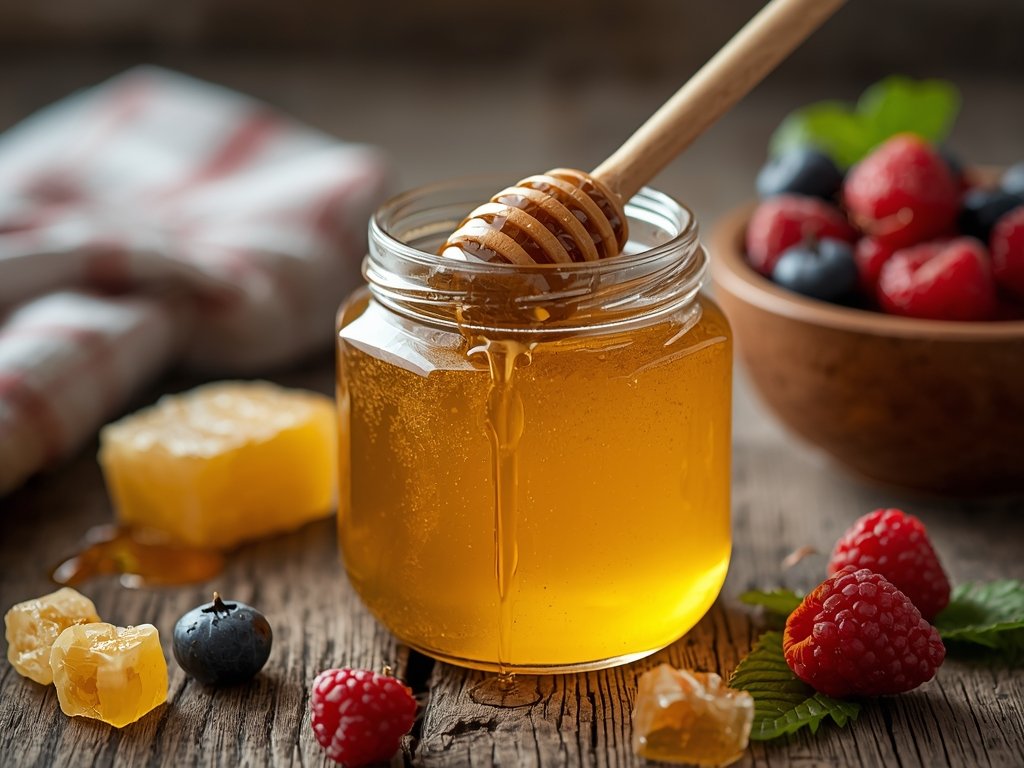
Have you ever reached for your favorite honey, only to find it transformed into a thick, grainy mess? Don’t worry – your honey hasn’t gone bad. It’s just crystallized, a natural process that occurs when the glucose in honey separates from the liquid.
This phenomenon is more common in raw, unprocessed honey, as it still contains pollen, enzymes, and other natural particles that act as crystallization nuclei. The good news? Crystallized honey is still perfectly safe to eat and can be easily returned to its liquid state.
The Science Behind Honey Crystallization
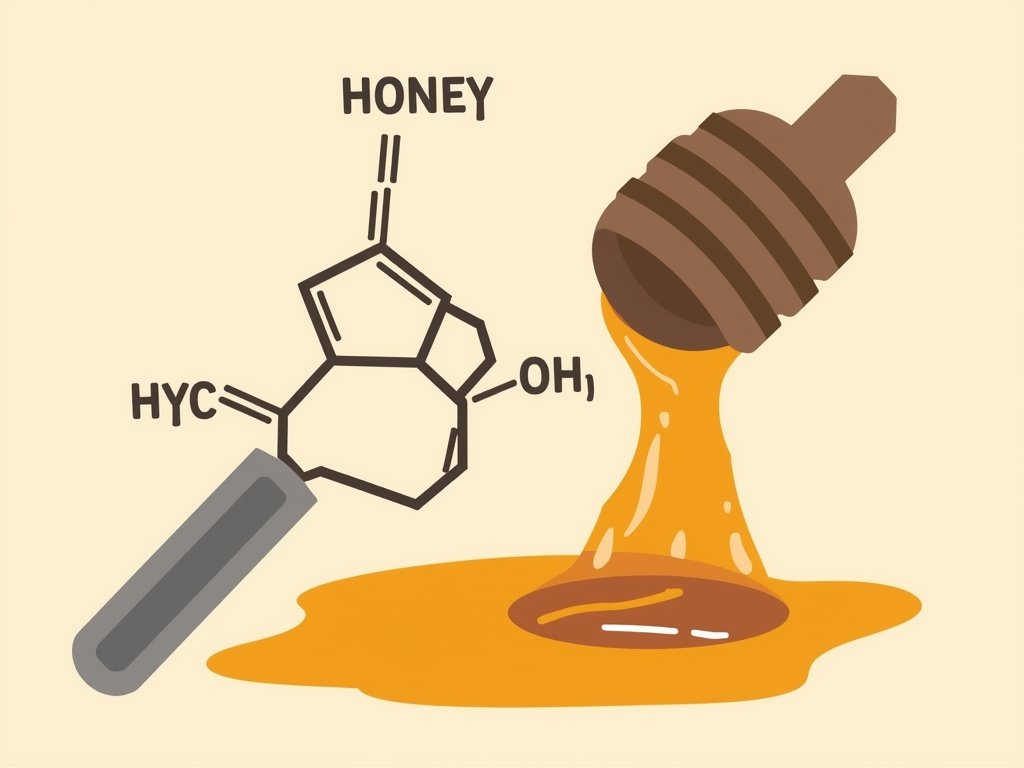
Honey is a supersaturated solution of sugars, primarily glucose and fructose, dissolved in water. Over time, the glucose molecules tend to come out of solution, forming crystals. This process is influenced by factors such as temperature, humidity, and the type of honey.
For instance, honey with a higher glucose-to-fructose ratio, like clover or dandelion honey, is more prone to crystallization. On the other hand, honey with a lower glucose content, such as acacia or tupelo honey, tends to remain liquid for longer periods.
Factors Affecting Honey Crystallization
- Temperature: Cold temperatures accelerate crystallization, while warm temperatures can slow it down or even reverse the process.
- Humidity: Low humidity can cause honey to crystallize more quickly, as moisture evaporates from the honey.
- Storage: Improper storage, such as exposing honey to air or light, can also contribute to crystallization.
The Gentle Heat Method: A Safe and Effective Solution
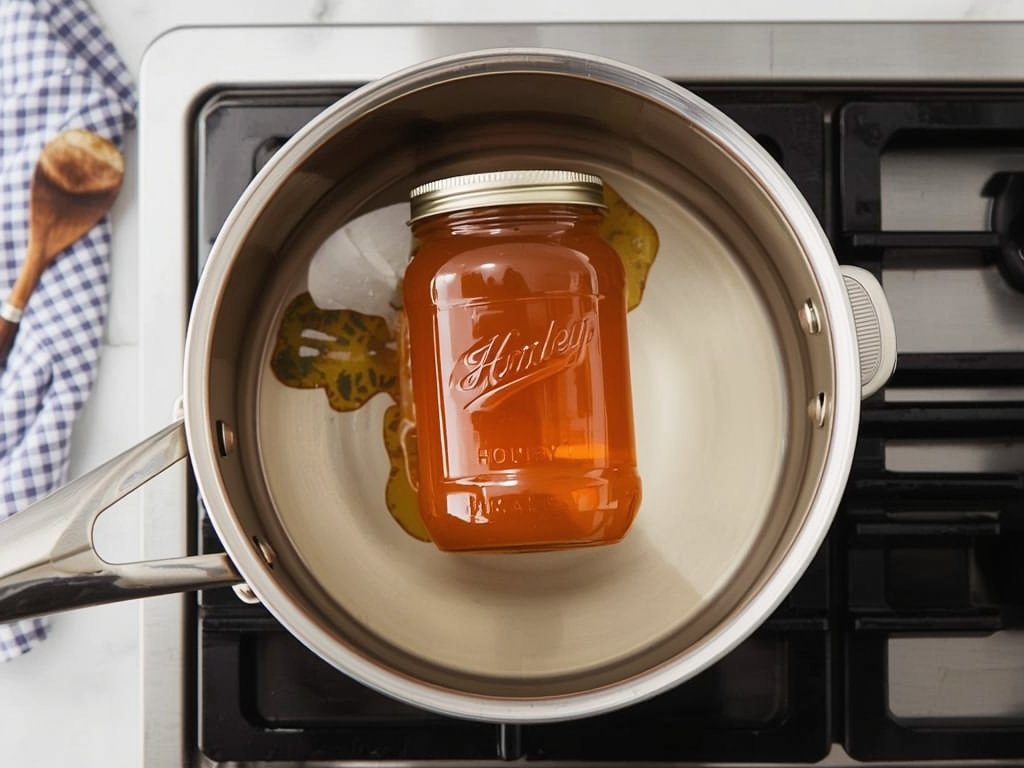
One of the most popular and effective ways to liquefy crystallized honey is by using the gentle heat method. This involves slowly heating the honey to a temperature that melts the glucose crystals without damaging its delicate flavor and nutritional properties.
To do this, place your jar of crystallized honey in a pot of warm water, making sure the water level doesn’t exceed the honey’s level. Heat the water over low heat, stirring the honey occasionally with a clean spoon. Be patient – this process can take anywhere from 15 minutes to an hour, depending on the amount of honey and the extent of crystallization.
Tips for Safe Heating
- Never heat honey in a microwave, as this can cause hot spots and damage its nutritional value.
- Avoid using direct heat, such as placing the jar on a stovetop burner, as this can scorch the honey.
- Always use a clean spoon to stir the honey, as introducing contaminants can lead to fermentation.
Alternative Methods: When Gentle Heat Isn’t Enough
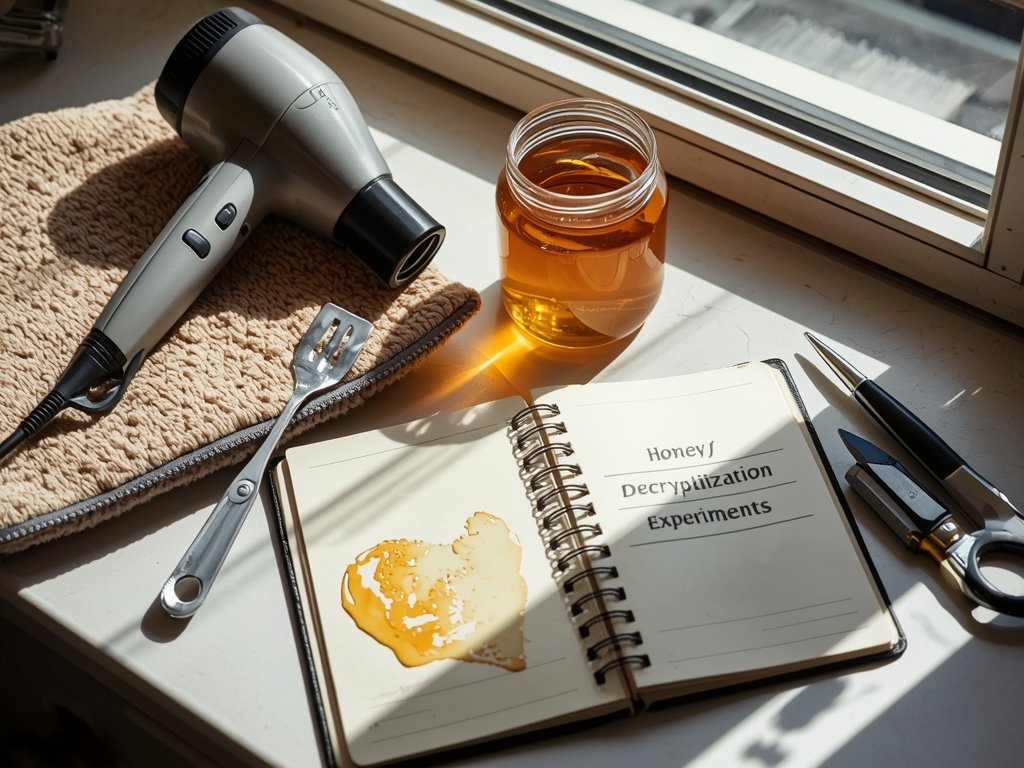
If the gentle heat method doesn’t work or isn’t feasible, there are alternative methods to try. One option is to use a hairdryer on low heat, holding it a few inches away from the jar and moving it constantly to avoid overheating.
Another method is to place the jar of honey on a heating pad set to low or in a sunny windowsill. This can take several hours or even days, but it’s a safe and hands-off approach. Just be sure to monitor the honey’s progress and remove it from the heat source once it’s liquefied.
Creative Solutions for Stubborn Honey
- Oven method: Place the jar of honey in a preheated oven set to 100°F (38°C) for 15-30 minutes, checking frequently.
- Water bath: Submerge the jar in a container of hot (not boiling) water, changing the water as it cools.
- Honey warmer: Invest in a specialized honey warmer, designed to maintain a consistent temperature for liquefying honey.
Preventing Honey Crystallization: Storage and Handling Tips
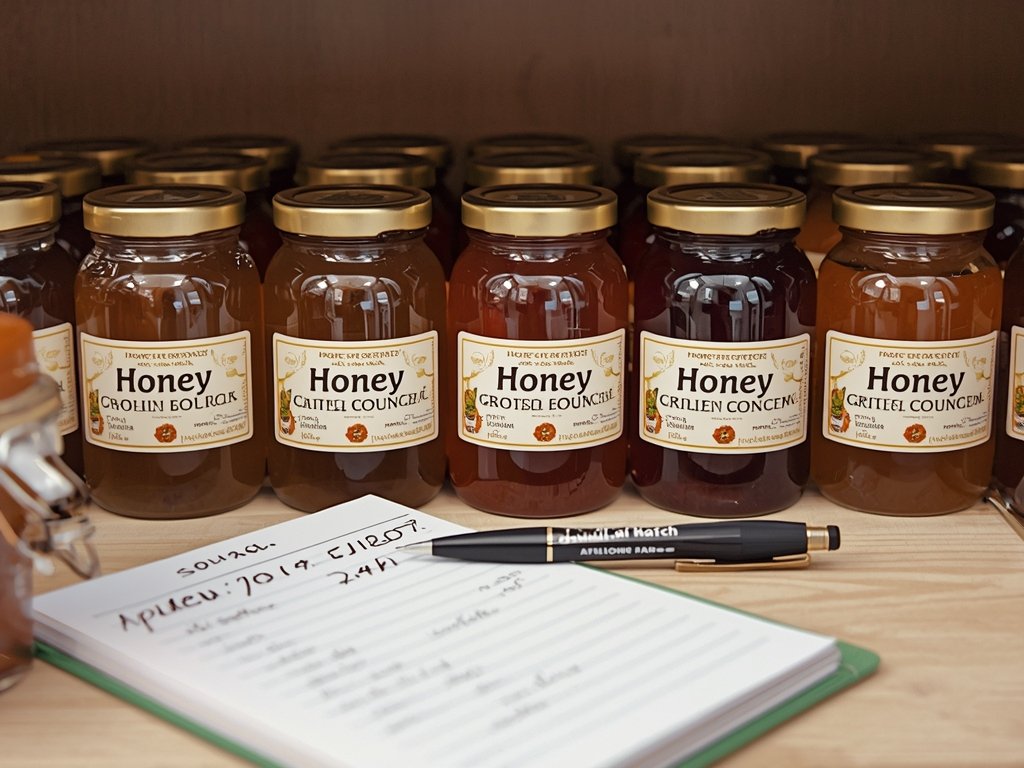
While crystallization is a natural process, there are steps you can take to slow it down and keep your honey liquid for longer. Proper storage is key – always store honey at room temperature, away from direct sunlight and extreme temperatures.
Additionally, make sure to use clean utensils when handling honey, as introducing contaminants can accelerate crystallization. If you live in a particularly cold climate, consider storing your honey in a warmer part of your home, such as a pantry or kitchen cabinet.
Best Practices for Honey Storage
- Store honey in a cool, dry place with a stable temperature between 50-70°F (10-21°C).
- Use airtight containers to prevent moisture and air from entering the honey.
- Label jars with the purchase date and source to track freshness and quality.
FAQ
Can I still eat crystallized honey?
Yes, crystallized honey is still safe to eat and retains its nutritional value. It may have a slightly different texture and flavor, but it’s perfectly fine to consume.
How long does it take for honey to crystallize?
The time it takes for honey to crystallize varies depending on factors like temperature, humidity, and the type of honey. It can range from a few weeks to several months.
Can I prevent honey from crystallizing altogether?
While you can’t prevent honey from crystallizing entirely, proper storage and handling can significantly slow down the process. Storing honey at room temperature and using clean utensils can help maintain its liquid state.
Is it safe to heat honey in a plastic container?
It’s not recommended to heat honey in a plastic container, as the heat can cause chemicals from the plastic to leach into the honey. Always use glass or food-grade stainless steel containers for heating honey.
Can I use crystallized honey in recipes?
Yes, crystallized honey can be used in recipes, but you may need to liquefy it first for even distribution. Alternatively, you can use it as a spread or topping, taking advantage of its unique texture.

Lina leads the Fresh Hacks category, covering food storage tips, freshness preservation, and smart ways to extend the life of your groceries. Her guides help readers keep ingredients at peak quality for longer.

← Previous
Slow Down Banana Ripening: The Separation Secret Revealed
Next →
Cucumber Paper Towel Wrap: Keep Your Cucumbers Crisp