Follow Me On Social Media!

The Crispy Conundrum: Why Roast Duck Skin Loses Its Crunch
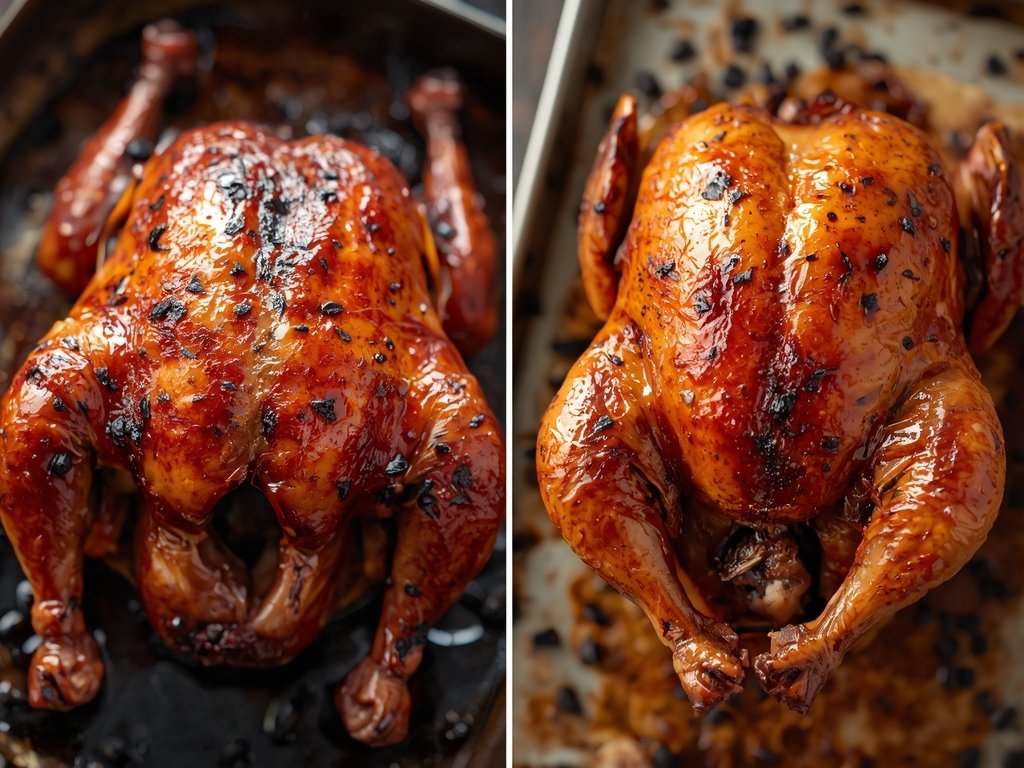
There’s nothing quite like the crackle of crispy roast duck skin—except when it’s missing. If you’ve ever pulled a duck from the oven only to find its skin soft and sad, you’re not alone. The culprit? Moisture trapped beneath the skin, which steam-cooks it instead of letting it crisp.
But fear not, duck enthusiasts. The secret to reviving that coveted crunch lies in a few simple techniques that don’t sacrifice the juiciness of the breast. Whether you’re prepping for a holiday feast or a Sunday supper, this guide will ensure your duck skin is as crispy as a fall leaf underfoot.
Prep Like a Pro: The Foundation of Crispy Skin

Before you even think about the oven, proper prep is key. Start by patting the duck dry with paper towels—both inside and out. Moisture is the enemy of crispiness, so don’t skimp on this step. Next, score the skin in a diamond pattern, being careful not to cut into the meat. This allows fat to render out and air to circulate, promoting even crisping.
For an extra boost, season the duck generously with salt and let it sit uncovered in the fridge for at least 12 hours. This dries out the skin further and seasons the meat deeply. Think of it as a spa day for your duck—one that ends in a gloriously crispy finish.
The Low and Slow Method: Rendering Fat Without Drying the Breast

Here’s where most home cooks go wrong: cranking up the heat to crisp the skin quickly. High heat may seem like a shortcut, but it often leads to a dry breast and unevenly cooked skin. Instead, opt for the low and slow approach. Start the duck in a 325°F oven to gently render the fat without overcooking the meat.
After an hour, crank up the heat to 425°F for the final 20-30 minutes. This two-step process ensures the fat melts away, leaving behind skin that’s shatteringly crisp. Pro tip: place the duck on a rack over a roasting pan to allow fat to drip away, preventing the skin from sitting in its own grease.
The Hairdryer Hack: A Quick Fix for Soggy Skin

Did your duck come out of the oven with less-than-crispy skin? Don’t panic. Grab your hairdryer (yes, really) and set it to high heat. Hold it a few inches away from the skin and blow-dry until the skin tightens and turns golden. It’s a quirky trick, but it works like a charm—especially for last-minute rescues.
If you’re skeptical, think of it this way: hairdryers evaporate water, and so does an oven. This hack just speeds up the process. Just be careful not to overdo it, or you’ll end up with duck jerky instead of a succulent roast.
The Broiler Blitz: A Final Crunchy Touch

For those who want to guarantee crispiness, the broiler is your best friend. Once the duck is cooked to your desired doneness, transfer it to a broiler-safe pan and blast it under high heat for 3-5 minutes. Keep a close eye on it—broilers can go from golden to charred in seconds.
This method is especially useful if you’re reheating leftover duck. A quick broil will revive the skin’s crunch without drying out the meat. Pair it with some steamed bok choy or mashed potatoes, and you’ve got a meal that rivals your favorite Chinese takeout.
Serving Suggestions: Pairing Crispy Duck with American Favorites
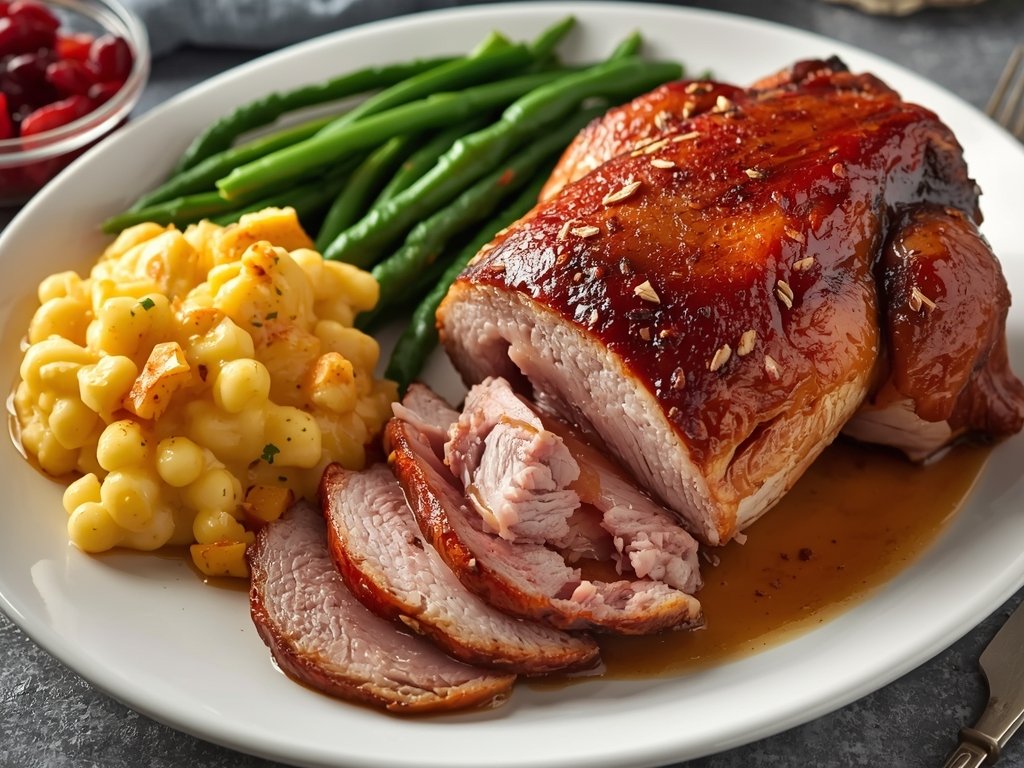
Now that your duck skin is crispy perfection, it’s time to think about sides. While traditional pairings like plum sauce and scallions are delicious, why not give it a Southern twist? Serve your duck with mac and cheese, collard greens, or even a side of cornbread stuffing. The rich, crispy skin complements hearty, comforting dishes perfectly.
For a lighter option, try a fresh arugula salad with cranberries and pecans, dressed in a tangy vinaigrette. The contrast between the crispy skin and the crisp greens is a match made in culinary heaven. And don’t forget a glass of Pinot Noir—its acidity cuts through the duck’s richness like a dream.
FAQ: Your Burning Questions About Crispy Roast Duck
Can I use a convection oven for crispy duck skin?
Absolutely! Convection ovens circulate hot air, which helps crisp the skin evenly. Just reduce the temperature by 25°F and keep an eye on it to prevent overcooking.
How do I know when the duck is done without drying it out?
Use a meat thermometer—the breast should reach 165°F for food safety. For juicier meat, aim for 155°F and let it rest before carving.
Can I crisp the skin without scoring it?
Scoring helps fat render and skin crisp, but if you’re wary of cutting into the meat, pat the skin dry and season well. It won’t be as crispy, but it’ll still be delicious.
What’s the best way to store and reheat crispy duck?
Store leftovers in an airtight container in the fridge for up to 3 days. Reheat in a 350°F oven or under the broiler to revive the skin’s crunch.
Can I use this method for other poultry?
Yes! These techniques work for chicken and turkey too, though cooking times will vary. Just adjust the temperature and timing based on the bird’s size.

Marco covers the Reheat Pro category on TwiceTasty, focusing on reheating techniques and texture preservation. His articles help home cooks bring leftovers back to life with the right methods for every type of food — from crispy fried chicken to creamy pastas.

← Previous
Here’s How to Reheat Wingstop Wings for Maximum Flavor
Next →
How to Reheat Mashed Potatoes So They Stay Creamy