Follow Me On Social Media!

From Ocean to Fridge: Understanding Seafood’s Clock
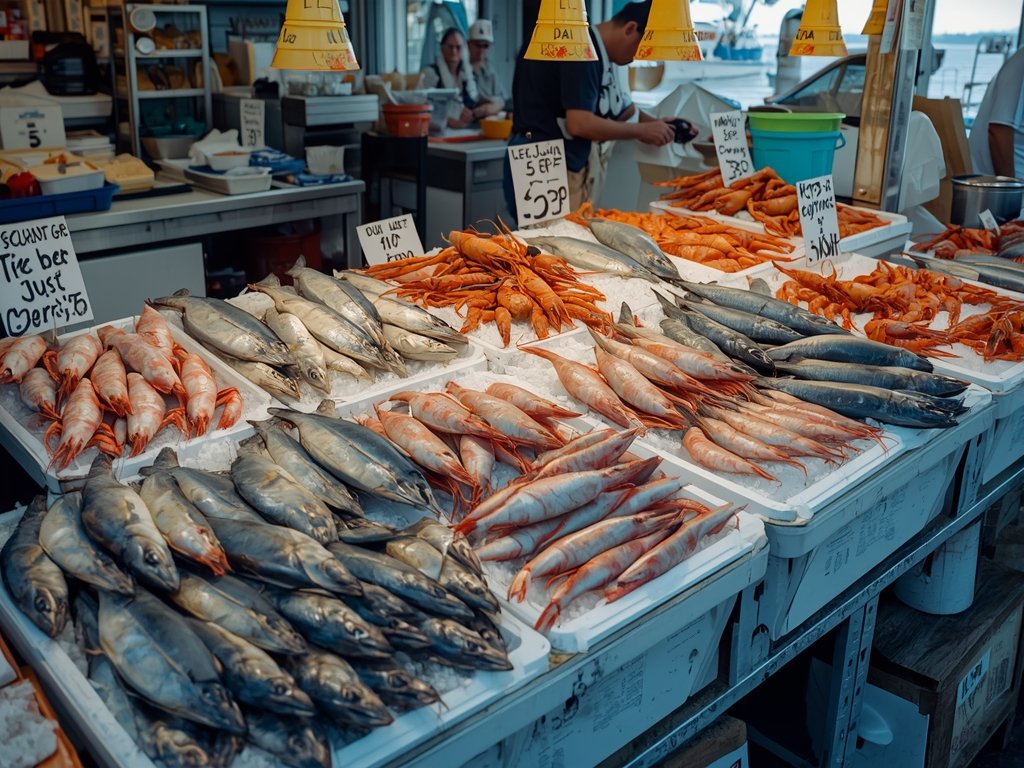
Seafood lovers across the United States know that there’s nothing quite like the taste of fresh catch. From New England’s clam chowder to Louisiana’s gumbo, our coastal cuisine is a testament to the ocean’s bounty. But once that seafood makes its way to your kitchen, the clock starts ticking.
Understanding the shelf life of cooked seafood is crucial for both food safety and flavor preservation. In this guide, we’ll dive into the factors that affect seafood’s freshness, provide visual cues to help you assess its quality, and offer tips for extending its lifespan.
The Ticking Clock: Factors Affecting Seafood Freshness
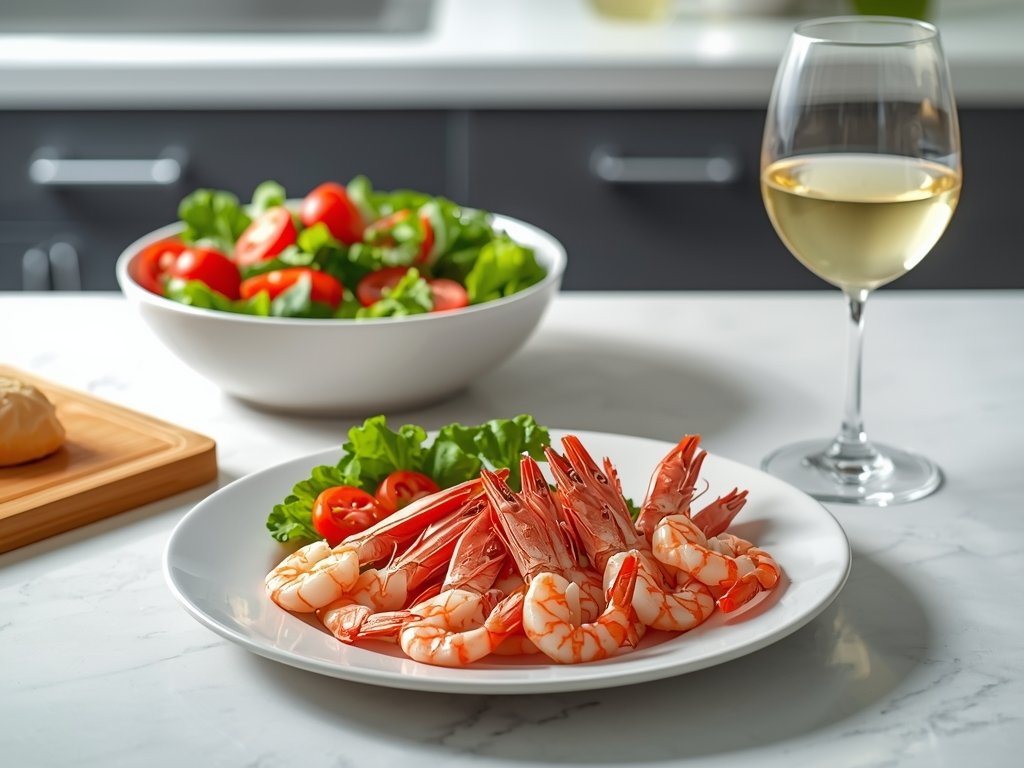
Several factors influence how long cooked seafood remains fresh. These include the type of seafood, cooking method, storage temperature, and handling practices. For instance, delicate fish like sole or flounder have a shorter shelf life compared to heartier varieties like salmon or tuna.
Proper storage is also critical. The USDA recommends refrigerating cooked seafood within 2 hours of cooking (or 1 hour if the temperature is above 90°F). Always store seafood in airtight containers or wrap it tightly in plastic wrap to prevent moisture loss and contamination.
Temperature: The Silent Killer of Seafood Freshness
Temperature plays a significant role in seafood’s shelf life. The “danger zone” for bacterial growth is between 40°F and 140°F. To minimize risk, refrigerate cooked seafood at or below 40°F or freeze it at 0°F or lower.
Visual Cues: Reading the Signs of Seafood Freshness
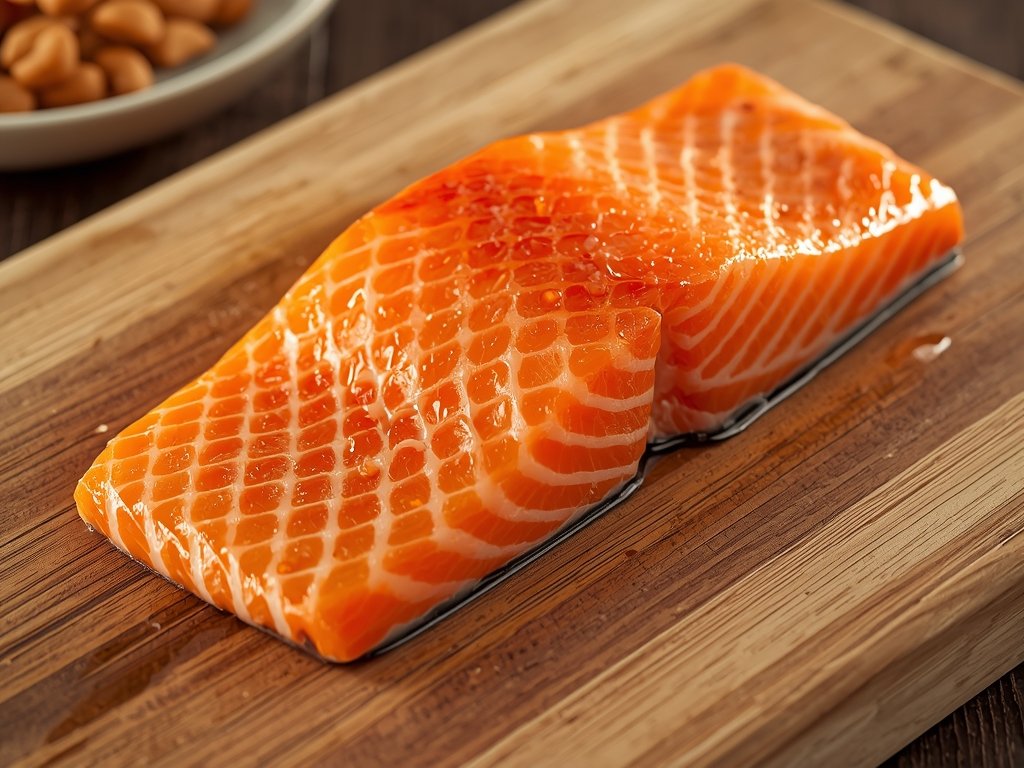
Your senses can be powerful tools for assessing seafood freshness. Look for bright, clear eyes in whole fish, firm flesh that springs back when pressed, and a mild, seawater scent. Cooked seafood should have a moist, flaky texture and a fresh, appetizing aroma.
Be wary of seafood with a strong, fishy odor, slimy texture, or discolored flesh. These are telltale signs of spoilage. If in doubt, trust your instincts and discard the seafood.
Color Changes: What They Mean for Your Seafood
Color changes can indicate seafood’s freshness. For example, cooked shrimp should be opaque and pinkish-white, while salmon should have a rich, orange-pink hue. If your seafood appears dull, grayish, or has developed dark spots, it may be past its prime.
Extending Seafood’s Lifespan: Storage and Preservation Tips
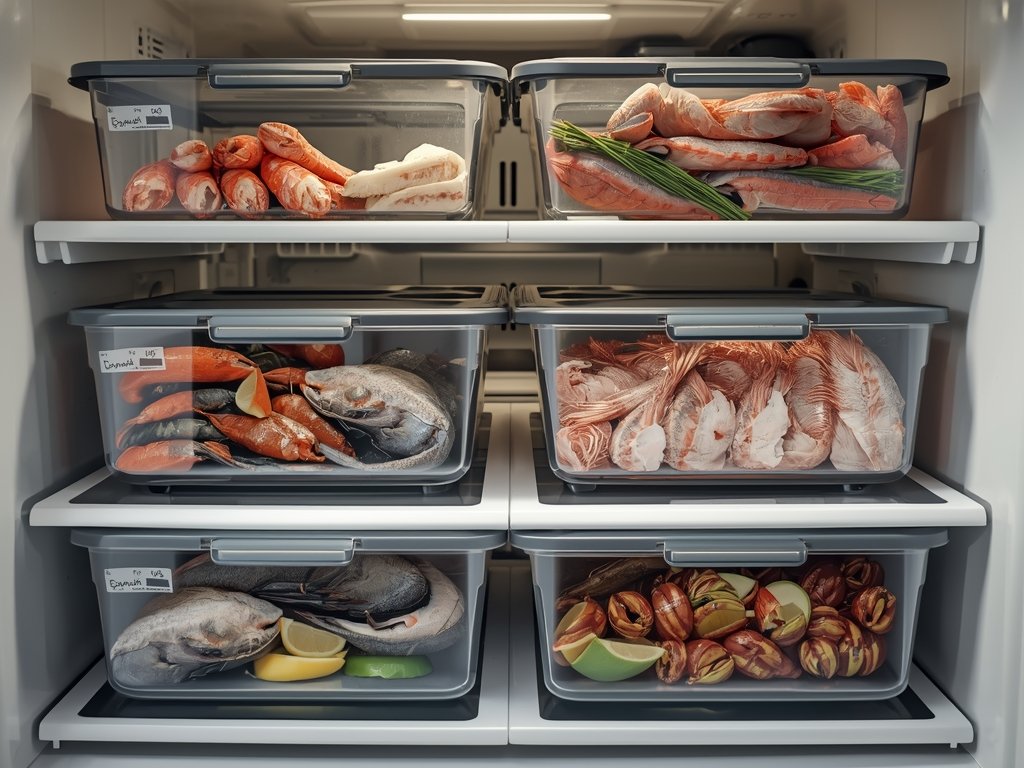
To maximize seafood’s shelf life, follow these storage tips:
- Refrigerate cooked seafood within 2 hours of cooking
- Store seafood in airtight containers or wrap it tightly in plastic wrap
- Label containers with the date and contents
- Consume refrigerated seafood within 3-4 days or freeze for longer storage
For longer-term storage, consider freezing your seafood. Wrap it tightly in plastic wrap or aluminum foil, or use freezer-safe containers. Frozen seafood can last for 3-6 months, depending on the type and storage conditions.
Creative Ways to Use Leftover Seafood
Don’t let leftover seafood go to waste. Get creative with recipes like seafood salads, chowders, or casseroles. You can also use leftover seafood as a topping for pizzas, pasta dishes, or tacos. Just ensure that the seafood is still fresh and has been stored properly.
Regional Seafood Specialties: A Taste of America’s Coasts

The United States boasts a rich seafood heritage, with each coast contributing its unique flavors and traditions. From the lobster rolls of Maine to the cioppino of San Francisco, our regional specialties showcase the diversity of American seafood cuisine.
When enjoying these dishes, remember to prioritize freshness and proper handling. Whether you’re savoring a plate of Maryland crab cakes or a bowl of Seattle’s famous salmon chowder, ensure that the seafood is cooked, stored, and served safely.
Coastal Cuisine: A Celebration of Local Flavors
Exploring regional seafood specialties is a delicious way to connect with local cultures and traditions. Attend seafood festivals, visit coastal markets, or try your hand at recreating classic dishes. By supporting local fisheries and embracing sustainable practices, you can help preserve our ocean’s resources for future generations.
FAQ
How long does cooked seafood last in the fridge?
Cooked seafood can last 3-4 days in the refrigerator when stored properly in airtight containers or wrapped tightly in plastic wrap.
Can I freeze cooked seafood?
Yes, you can freeze cooked seafood for 3-6 months. Wrap it tightly in plastic wrap or aluminum foil, or use freezer-safe containers to prevent freezer burn.
How can I tell if seafood has gone bad?
Look for signs like a strong fishy odor, slimy texture, or discolored flesh. If the seafood appears dull, grayish, or has developed dark spots, it’s likely spoiled.
Is it safe to eat seafood that’s been left out overnight?
No, seafood left out at room temperature for more than 2 hours (or 1 hour if the temperature is above 90°F) should be discarded to avoid the risk of foodborne illness.
Can I refreeze thawed seafood?
It’s not recommended to refreeze thawed seafood, as this can compromise its texture and quality. Instead, cook the seafood and consume it within 3-4 days, or freeze any cooked leftovers.

Lina leads the Fresh Hacks category, covering food storage tips, freshness preservation, and smart ways to extend the life of your groceries. Her guides help readers keep ingredients at peak quality for longer.

← Previous
Freeze Cheese Sticks Like a Pro: The Ultimate Guide
Next →
Save Over-Salted Leftovers with the Potato Hack