Follow Me On Social Media!

The Secret to Cilantro’s Longevity: A Floral Affair
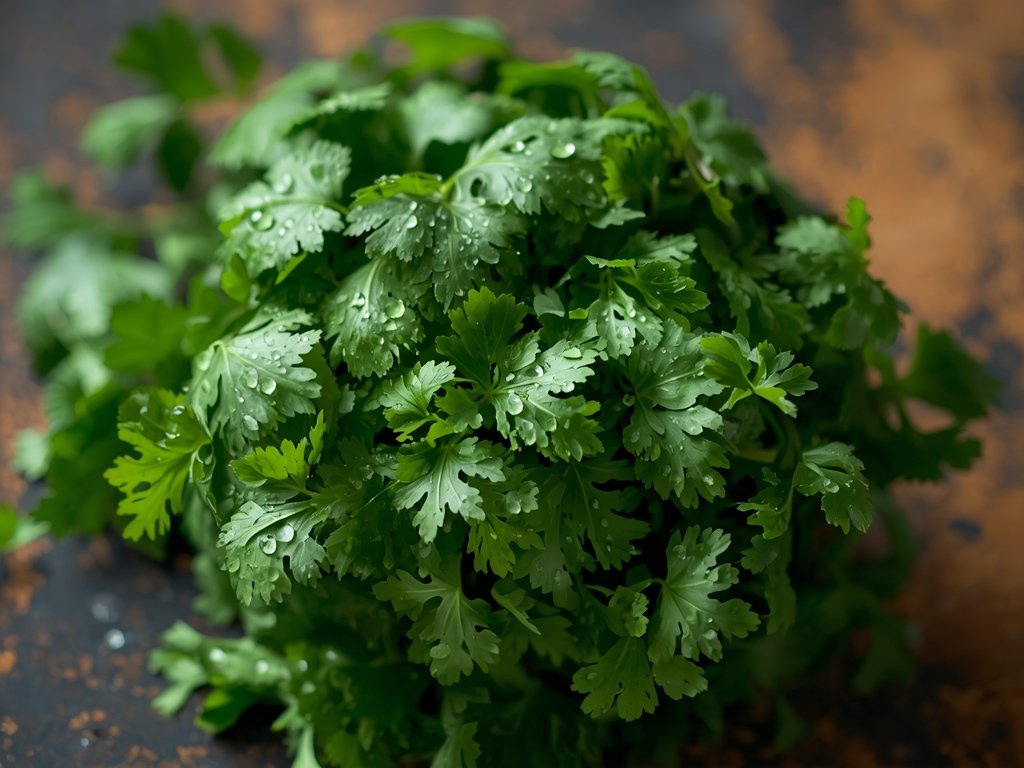
Cilantro, the divisive herb with its unique flavor profile, is a staple in many American kitchens, especially for those who love experimenting with Mexican, Asian, and Middle Eastern cuisines. But let’s face it, keeping this delicate herb fresh can be a real challenge. Enter the game-changing method of storing cilantro like a bouquet of flowers – a simple yet effective technique that will revolutionize your herb storage game.
The Cilantro Conundrum: Why It’s a Delicate Darling
Cilantro’s delicate nature is both a blessing and a curse. Its fresh, citrusy flavor can elevate any dish, but its tendency to wilt and turn mushy within days of purchase is a common frustration for home cooks. The struggle is real, especially when you’ve bought a large bunch for a recipe and are left with more than you can use before it spoils.
The key to understanding cilantro’s finicky behavior lies in its biology. Cilantro, also known as coriander leaves, is a cool-season herb that thrives in mild temperatures. When exposed to warmth and moisture, it quickly deteriorates, making proper storage crucial.
The Science Behind the Wilt
Cilantro’s rapid decay is primarily due to its high water content and the presence of enzymes that break down cell walls when exposed to heat and oxygen. This process, known as enzymatic browning, is responsible for the herb’s quick deterioration.
Additionally, cilantro’s delicate stems and leaves are susceptible to damage, causing them to release ethylene gas, a natural plant hormone that accelerates ripening and, eventually, spoilage.
A Floral Solution: Treating Cilantro Like a Bouquet
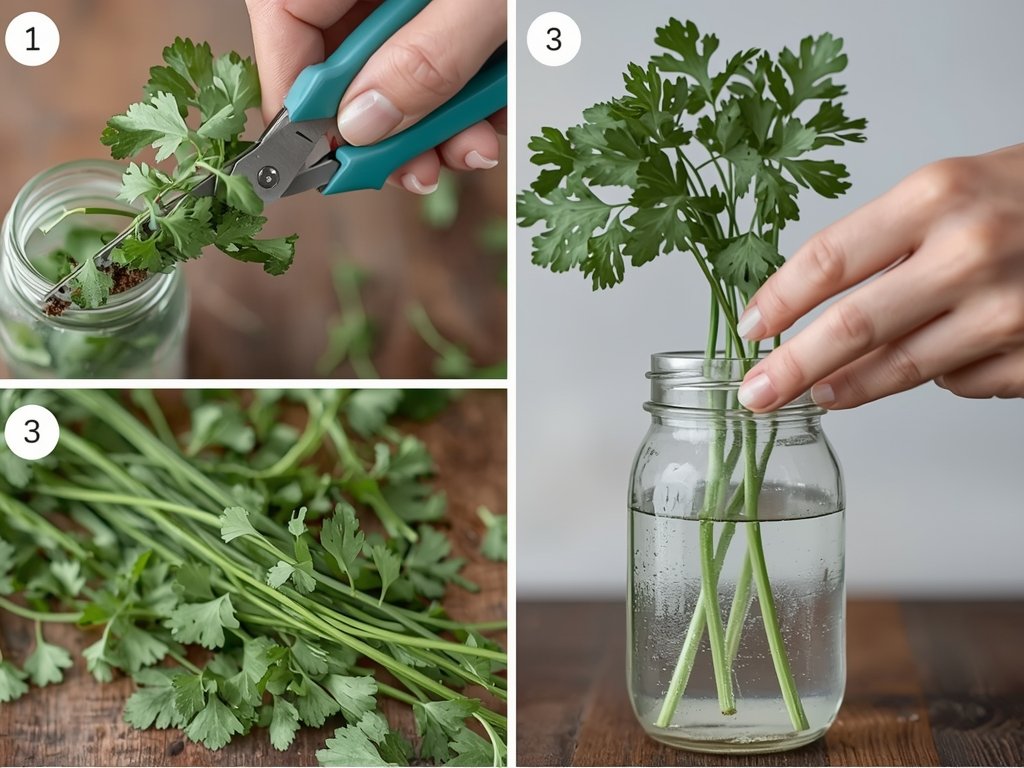
The secret to extending cilantro’s freshness lies in treating it like a bouquet of flowers. This method, inspired by the way florists care for cut flowers, involves a simple yet effective technique that can keep your cilantro vibrant for up to two weeks.
Here’s the step-by-step process:
- Trim the Stems: Just like preparing flowers for a vase, start by trimming the cilantro stems at an angle. This creates a larger surface area for water absorption, keeping the herb hydrated.
- Remove Lower Leaves: Strip off any leaves that would be submerged in water to prevent them from rotting and contaminating the rest of the bunch.
- Water Bath: Place the trimmed cilantro in a jar or glass of water, ensuring the stems are fully submerged. Think of it as a refreshing drink for your herb.
- Cover and Refrigerate: Loosely cover the cilantro with a plastic bag, leaving some room for air circulation. Store it in the refrigerator, preferably in the crisper drawer, to maintain a cool temperature.
The Benefits of the Bouquet Method
This floral approach to cilantro storage offers several advantages. Firstly, it provides a constant water supply, preventing the herb from drying out. Secondly, the cool temperature of the refrigerator slows down the enzymatic activity, delaying the wilting process.
By mimicking the conditions of a flower arrangement, you create an environment that supports cilantro’s natural needs, resulting in a longer-lasting, fresher herb.
Cilantro’s Cultural Journey: From Ancient Times to Your Table

Cilantro’s journey to becoming a kitchen staple is a fascinating tale that spans centuries and continents. Native to the Mediterranean and Middle Eastern regions, this herb has been cultivated for over 3,000 years, making its way into various cuisines and cultural traditions.
In ancient Egypt, cilantro was used as a medicinal herb and a symbol of prosperity. The Romans introduced it to Europe, where it became a popular flavoring agent. Its journey to the Americas began with Spanish and Portuguese explorers, who brought it to the New World, where it found a new home in Latin American and Asian cuisines.
Cilantro in American Cuisine
In the United States, cilantro’s popularity has soared in recent decades, thanks to the growing appreciation for diverse cuisines. It’s a key ingredient in Mexican salsas, Thai curries, and Middle Eastern salads, adding a burst of fresh flavor to these dishes.
However, its unique taste has also sparked a love-hate relationship, with some praising its bright, citrusy notes and others finding it soapy and unpleasant. This divide has only added to cilantro’s intrigue, making it a herb worth exploring and understanding.
Beyond Storage: Creative Ways to Use Cilantro

Now that you’ve mastered the art of keeping cilantro fresh, it’s time to explore its culinary potential. Cilantro’s versatility extends far beyond garnishing, and its unique flavor can elevate a wide range of dishes.
Here are some creative ways to incorporate cilantro into your cooking:
- Salsas and Dips: Cilantro is a star ingredient in fresh salsas, adding a bright, herbal note. Try a classic Mexican salsa verde or a creamy cilantro dip for a flavorful appetizer.
- Curries and Stews: In Thai and Indian cuisines, cilantro is often added to curries and stews, providing a fresh contrast to rich, spicy flavors. It’s also used as a garnish, adding a pop of color and aroma.
- Herb Crusts: Blend cilantro with other herbs, breadcrumbs, and spices to create a flavorful crust for fish, chicken, or tofu. This technique adds a burst of freshness to your protein dishes.
- Salads and Slaws: Chopped cilantro adds a unique twist to salads and slaws, especially when paired with citrus dressings. Its bright flavor complements vegetables and grains beautifully.
Cilantro-Infused Beverages
Cilantro’s versatility extends to beverages, too. In many cultures, cilantro is used to make refreshing drinks and cocktails. Try a cilantro-limeade for a tangy, herbal twist on a classic lemonade, or experiment with cilantro-infused cocktails for a unique, aromatic experience.
FAQ: Cilantro Storage and Beyond
How long can cilantro last using the bouquet method?
When stored like a bouquet, cilantro can remain fresh for up to two weeks. However, it’s best to use it within the first week for optimal flavor and texture.
Can I freeze cilantro for longer storage?
Freezing is not recommended for cilantro as it can alter its texture and flavor. The bouquet method is the best way to preserve its freshness and quality.
What’s the best way to dry cilantro for long-term storage?
Air-drying is the preferred method for drying cilantro. Tie the stems together and hang them upside down in a warm, dry place until completely dry. Store the dried cilantro in an airtight container for future use.
How can I tell if cilantro has gone bad?
Fresh cilantro should have vibrant green leaves and firm stems. If the leaves turn yellow or brown, or if the stems become slimy, it’s a sign of spoilage. Trust your senses – if it looks and smells off, it’s best to discard it.
Can I regrow cilantro from the stems?
Yes, cilantro is one of the herbs that can be regrown from stem cuttings. Place the trimmed stems in a glass of water, and with proper care, you’ll see new roots and leaves sprouting, giving you a fresh supply of cilantro.

Lina leads the Fresh Hacks category, covering food storage tips, freshness preservation, and smart ways to extend the life of your groceries. Her guides help readers keep ingredients at peak quality for longer.