Follow Me On Social Media!

The Plastic Wrap Problem: A Cheddar Crisis
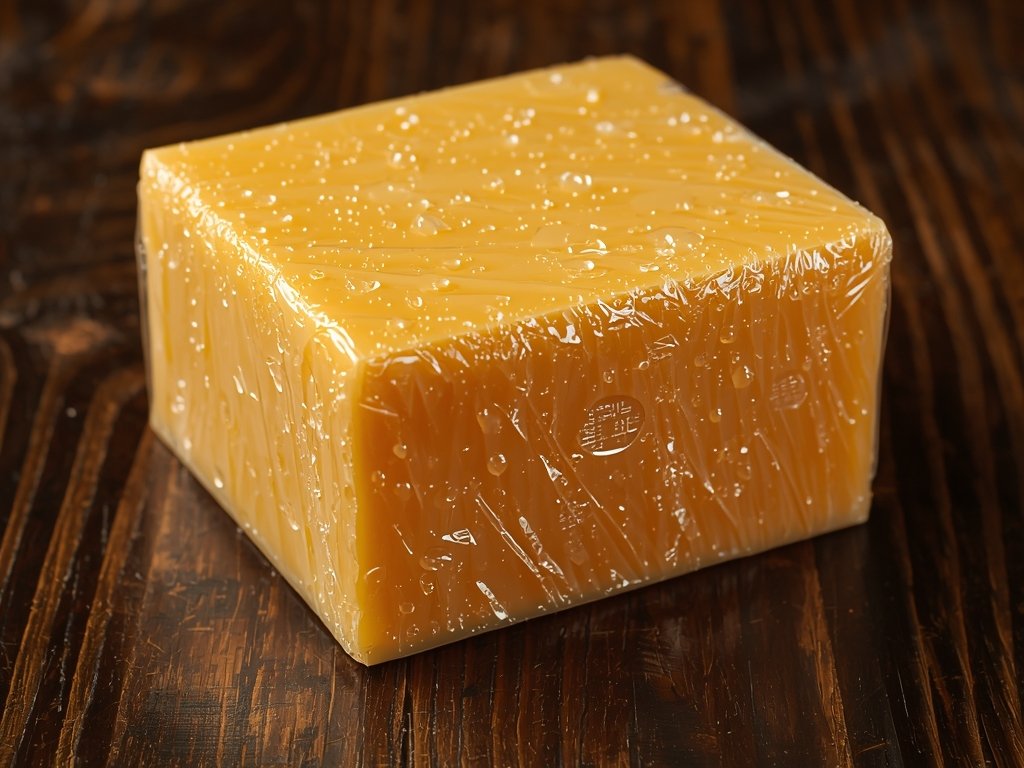
If you’re a cheese lover, you’ve likely experienced the disappointment of reaching for a block of cheddar only to find it dry, cracked, or worse, moldy. The culprit? That thin layer of plastic wrap you’ve been using to store it. While it might seem like the obvious choice for keeping cheese fresh, plastic wrap is actually doing more harm than good.
The Science Behind the Spoilage
Cheese is a living, breathing food, and it needs to be treated as such. When wrapped in plastic, it’s unable to breathe, leading to a buildup of moisture and bacteria. This creates the perfect environment for mold and other undesirable microorganisms to thrive.
Why Cheese Needs to Breathe

To understand why plastic wrap is detrimental to cheese, it’s essential to grasp the basics of cheese storage. Cheese is a living product, and like all living things, it needs to breathe. When cheese is wrapped in plastic, it’s unable to release moisture and gases, leading to a buildup of condensation and bacteria.
The Role of Humidity and Temperature
Proper cheese storage requires a delicate balance of humidity and temperature. Most cheeses, including cheddar, thrive in a cool, humid environment. When wrapped in plastic, the humidity levels can skyrocket, causing the cheese to become soggy and prone to mold growth. Conversely, if the cheese is stored in a dry environment, the plastic wrap can accelerate moisture loss, leading to a dry, crumbly texture.
The Traditional Way: Cheese Paper and Wax

Before the advent of plastic wrap, cheesemongers relied on traditional methods to store and preserve cheese. Cheese paper, a specialized paper designed to allow cheese to breathe, was the go-to choice. This paper is often coated with a thin layer of wax or parchment, which helps regulate moisture levels and prevent contamination.
Benefits of Cheese Paper and Wax
Cheese paper and wax offer several advantages over plastic wrap. They allow cheese to breathe, preventing moisture buildup and mold growth. Additionally, they help maintain the cheese’s natural humidity levels, ensuring a consistent texture and flavor. Many cheesemongers also prefer the aesthetic appeal of cheese paper and wax, which adds a touch of rustic charm to their displays.
Modern Alternatives: Silicone and Beeswax Wraps

For those looking for a more modern and eco-friendly alternative to plastic wrap, silicone and beeswax wraps are excellent options. These reusable wraps are designed to mimic the breathability of cheese paper while providing a secure seal to keep cheese fresh.
How to Use Silicone and Beeswax Wraps
To use silicone or beeswax wraps, simply wrap the cheese tightly, ensuring a snug fit. These wraps can be washed and reused multiple times, making them a cost-effective and environmentally friendly choice. When storing cheese in the refrigerator, place the wrapped cheese in a container or drawer to maintain optimal humidity levels.
Storing Cheddar Like a Pro

Now that you understand the importance of proper cheese storage, it’s time to put that knowledge into practice. Here’s a step-by-step guide to storing cheddar like a pro:
- Wrap the cheese in cheese paper or a reusable alternative
- Store the wrapped cheese in a cool, humid environment (around 50-55°F and 60-70% humidity)
- Avoid overcrowding the refrigerator or storage area
- Regularly inspect the cheese for signs of mold or spoilage
Troubleshooting Common Issues
Even with proper storage, cheese can still develop issues. If you notice mold growth, trim away the affected area and rewrap the cheese. For dry or crumbly cheese, try increasing the humidity levels or wrapping the cheese in a slightly damp cloth before storing. Remember, proper storage is key to maintaining the quality and flavor of your cheddar.
FAQ
Can I still use plastic wrap for short-term storage?
While it’s best to avoid plastic wrap altogether, it can be used for short-term storage (up to 24 hours) if necessary. However, for longer storage periods, opt for cheese paper or a reusable alternative.
How often should I replace cheese paper or reusable wraps?
Cheese paper should be replaced after each use, while reusable wraps can be washed and reused multiple times. Inspect the wraps regularly for signs of wear or damage, and replace them as needed.
Can I store different types of cheese together?
It’s best to store different types of cheese separately, as they have varying humidity and temperature requirements. However, if you must store them together, ensure they are wrapped securely and kept in a well-ventilated area.
How can I tell if my cheese has gone bad?
Signs of spoilage include mold growth, off odors, and a slimy or discolored texture. If you notice any of these signs, discard the cheese immediately.
Is it necessary to bring cheese to room temperature before serving?
Yes, bringing cheese to room temperature before serving allows its flavors and textures to fully develop. Remove the cheese from the refrigerator 30-60 minutes before serving, depending on the type and size of the cheese.

Lina leads the Fresh Hacks category, covering food storage tips, freshness preservation, and smart ways to extend the life of your groceries. Her guides help readers keep ingredients at peak quality for longer.

← Previous
Cilantro Storage Secret: Floral Method for Freshness
Next →
Keep Asparagus Crunchy for 10+ Days with This Simple Jar Hack