Follow Me On Social Media!

The Celery Crunch Conundrum: A Tale as Old as Time
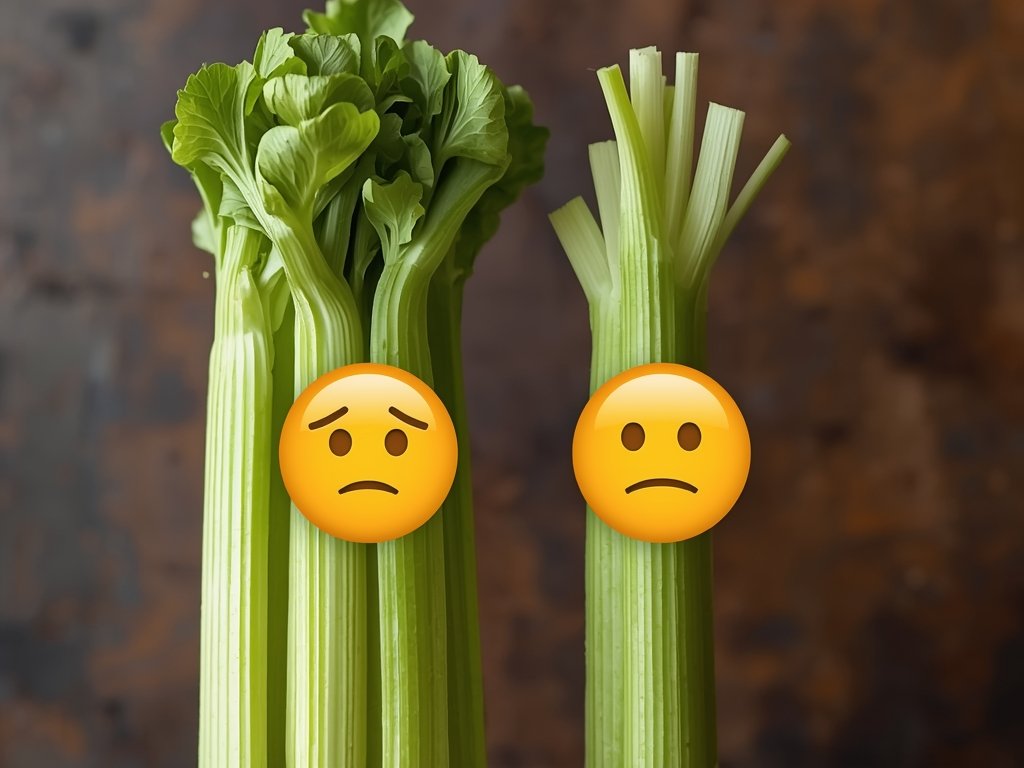
We’ve all been there: you buy a bunch of celery with grand plans for healthy snacks and flavorful soups, only to find it limp and lifeless a week later. It’s a common kitchen tragedy, one that has plagued home cooks from coast to coast. But fear not, fellow food enthusiasts, for there’s a simple solution that’ll keep your celery snappy for an entire month.
Enter the celery foil trick, a clever hack that’s been passed down through generations of savvy cooks. This method is so effective, it’s like having your own personal celery time capsule. Imagine opening your fridge a month from now and finding celery that’s still crisp, still vibrant, and still ready to add that perfect crunch to your favorite dishes.
The Science Behind the Snappiness: Why Celery Goes Limp
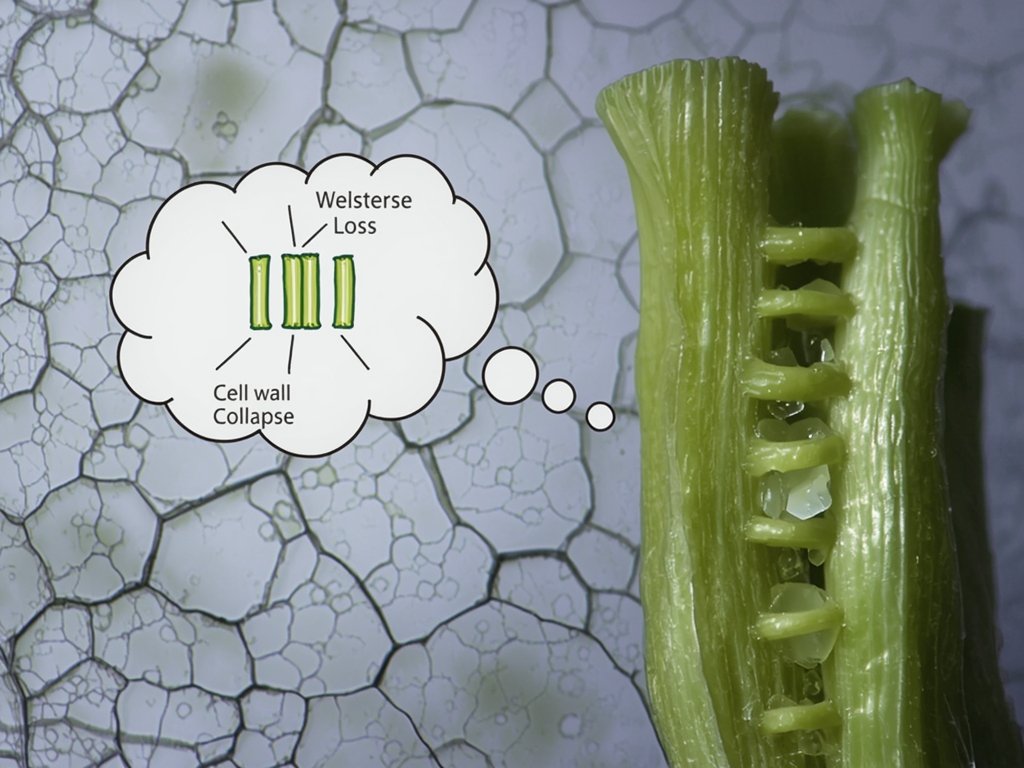
Before we dive into the foil trick, let’s talk about why celery loses its snap in the first place. It all comes down to moisture loss and the breakdown of the celery’s cellular structure. As celery sits in your fridge, it slowly loses moisture through a process called transpiration.
This moisture loss causes the celery’s cell walls to collapse, resulting in that sad, limp texture we all know too well. But don’t blame your fridge – it’s doing its best to keep your produce cool and fresh. The real culprit is the dry air circulating around the celery.
The Role of Ethylene Gas
Another factor contributing to celery’s demise is ethylene gas, a natural plant hormone that accelerates ripening and aging. Many fruits and vegetables produce ethylene gas, and when stored together, they can speed up each other’s deterioration.
Celery is particularly sensitive to ethylene gas, which is why it’s essential to store it away from ethylene-producing foods like apples, bananas, and tomatoes. By understanding these factors, we can take targeted steps to keep our celery crisp and fresh.
Foil to the Rescue: The Celery-Saving Hack
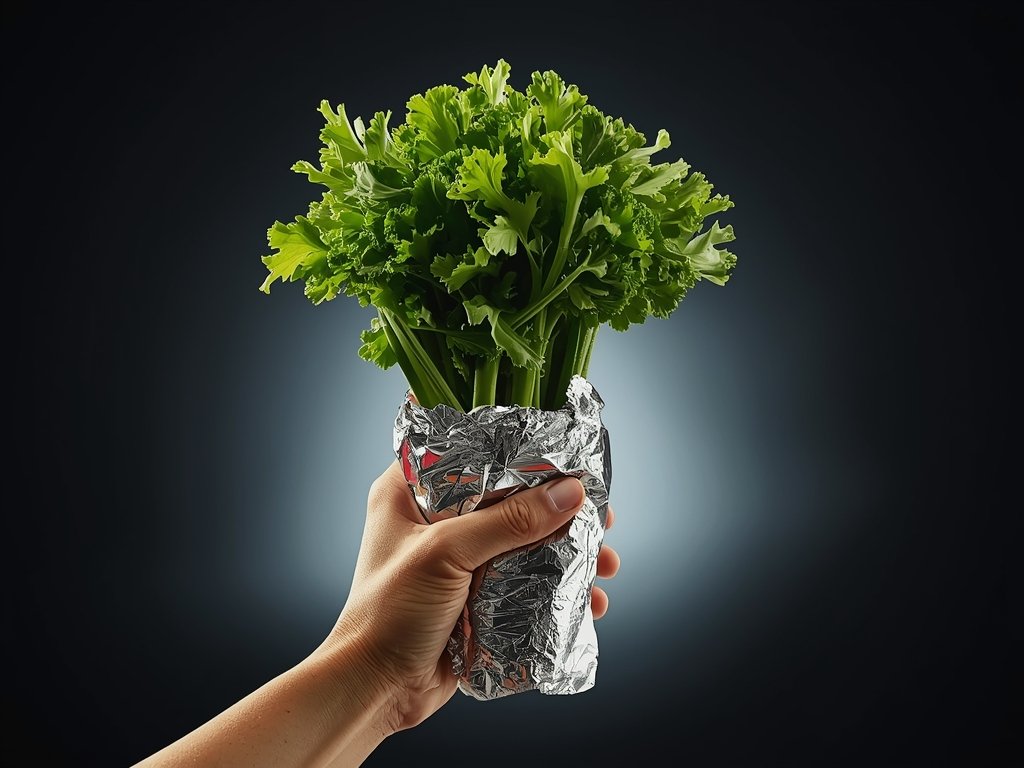
Now that we understand the enemy, let’s talk about the solution: the celery foil trick. This simple method involves wrapping your celery in aluminum foil to create a protective barrier against moisture loss and ethylene gas. Think of it as a cozy, metallic blanket that keeps your celery snug and secure.
The foil acts as a barrier, trapping moisture inside and creating a humid environment that celery loves. At the same time, it blocks ethylene gas from reaching the celery, slowing down the aging process. It’s a win-win situation that’ll keep your celery snappy for weeks on end.
Step-by-Step Guide to the Foil Trick
- Start with a fresh bunch of celery, preferably one that’s still crisp and vibrant.
- Rinse the celery under cold water to remove any dirt or debris, then pat it dry with a clean towel.
- Trim about 1/2 inch off the bottom of the celery stalks to promote moisture absorption.
- Wrap the celery tightly in aluminum foil, making sure to cover the entire bunch.
- Store the wrapped celery in the crisper drawer of your fridge, away from ethylene-producing foods.
Real-Life Results: A Month of Snappy Celery
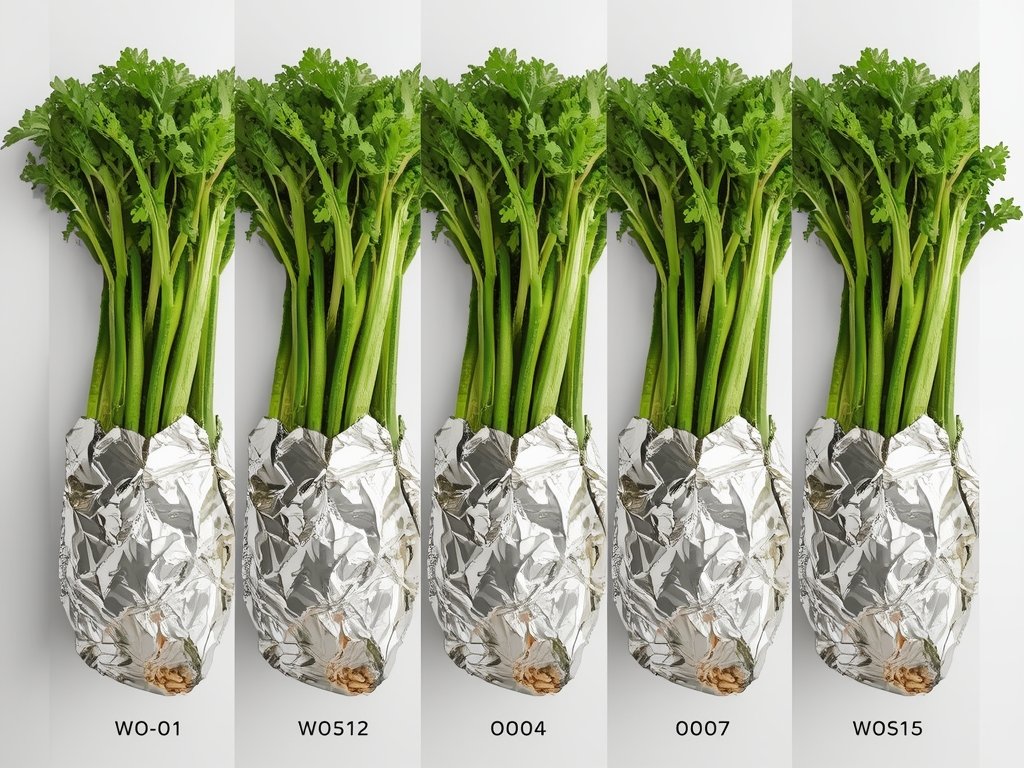
You might be skeptical, but the celery foil trick really works. We put it to the test, storing a bunch of celery in foil for an entire month. The results were astonishing: even after 30 days, the celery was still crisp, still flavorful, and still perfect for snacking or cooking.
We used the celery in everything from classic ants on a log to hearty soups and stews. Each time, it delivered that signature snap and crunch, just like it was freshly picked. It’s a game-changer for anyone who loves celery but hates how quickly it goes bad.
Tips for Maximizing Freshness
- Use heavy-duty aluminum foil for added protection against moisture loss and ethylene gas.
- Store the wrapped celery in the coldest part of your fridge, typically the bottom shelf or crisper drawer.
- Avoid washing the celery until you’re ready to use it, as excess moisture can promote bacterial growth.
- If you notice any signs of spoilage, such as discoloration or a strong odor, discard the celery immediately.
Beyond the Foil: Other Celery Storage Methods

While the foil trick is our favorite method for keeping celery fresh, it’s not the only option. There are several other storage techniques that can help extend the life of your celery. Each method has its pros and cons, so choose the one that works best for your lifestyle and preferences.
For example, storing celery in a jar of water can help maintain moisture levels, but it requires regular water changes to prevent bacterial growth. On the other hand, keeping celery in a plastic bag can trap ethylene gas, accelerating spoilage. It’s all about finding the right balance for your needs.
Alternative Storage Methods
- Jar of Water: Trim the celery and place it in a jar of water, changing the water every 2-3 days.
- Plastic Bag: Store celery in a perforated plastic bag to allow air circulation while trapping moisture.
- Root Storage: If you have a garden, consider growing celery and harvesting it as needed for maximum freshness.
FAQ: Celery Storage Queries Answered
Can I freeze celery to keep it fresh?
While freezing can extend the life of many vegetables, it’s not ideal for celery. The freezing process can cause the celery’s cell walls to rupture, resulting in a mushy texture when thawed. If you must freeze celery, blanch it first and use it in cooked dishes rather than raw applications.
How can I tell if celery has gone bad?
Look for signs of spoilage such as discoloration, sliminess, or a strong, unpleasant odor. If the celery stalks feel soft or mushy, it’s likely past its prime. Trust your senses – if something seems off, it’s better to err on the side of caution and discard the celery.
Can I store celery with the leaves still attached?
Yes, you can store celery with the leaves still attached, but keep in mind that the leaves will wilt faster than the stalks. If you plan to use the leaves for cooking or garnishing, it’s best to store them separately in a plastic bag or container. Alternatively, you can trim the leaves and store them in the foil-wrapped celery bunch.
Is it necessary to wash celery before storing it?
It’s not necessary to wash celery before storing it, as excess moisture can promote bacterial growth. Instead, wait until you’re ready to use the celery to rinse it under cold water. If you must wash the celery beforehand, pat it dry thoroughly with a clean towel before wrapping it in foil or storing it in another container.
Can I use the celery foil trick for other vegetables?
While the foil trick works wonders for celery, it may not be as effective for other vegetables. Each type of produce has unique storage requirements, so it’s essential to research the best methods for your specific vegetables. However, the principles of moisture retention and ethylene gas blocking can be applied to other vegetables with some modifications.

Lina leads the Fresh Hacks category, covering food storage tips, freshness preservation, and smart ways to extend the life of your groceries. Her guides help readers keep ingredients at peak quality for longer.

← Previous
Potato & Onion Divorce: Why Separate Storage is Key
Next →
Freeze Flour to Prevent Pests and Rancidity: A Complete Guide