Follow Me On Social Media!

Big Batch Pesto: From Pasta to Gourmet Sandwiches
The Green Gold: Unlocking Pesto’s Versatility
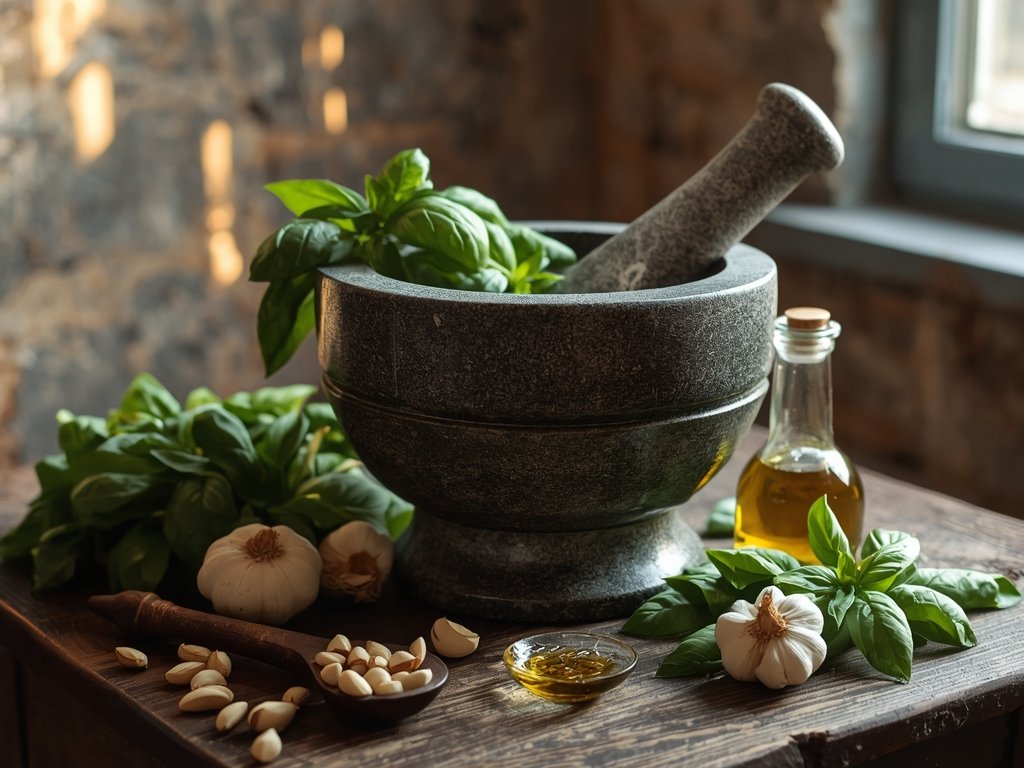
Pesto, the vibrant green sauce originating from Genoa, Italy, has long been a staple in kitchens worldwide. Traditionally made with basil, pine nuts, garlic, olive oil, and Parmesan cheese, this sauce is a testament to the simplicity and richness of Italian cuisine. But why limit such a versatile ingredient to just pasta?
In this article, we’ll explore how a big batch of pesto can transform your meals, from a quick pasta night to a gourmet sandwich spread. Get ready to elevate your cooking with this flavorful, aromatic sauce.
Mastering the Art of Big Batch Pesto

Ingredients and Equipment
To make a substantial batch of pesto, you’ll need a few key ingredients and some basic kitchen equipment. Here’s what you’ll need:
- 2 cups fresh basil leaves – The star of the show, providing that unmistakable fresh flavor.
- 1/2 cup pine nuts – Toasted for a deeper, nuttier taste.
- 4 garlic cloves – Minced for a subtle kick.
- 1/2 cup grated Parmesan cheese – For that umami richness.
- 1 cup extra virgin olive oil – The liquid gold that brings it all together.
- Salt and pepper to taste – For balancing the flavors.
Equipment-wise, a food processor or blender will make quick work of combining the ingredients. If you prefer a more traditional approach, a mortar and pestle will give you a rustic, hands-on experience.
Step-by-Step Preparation
Making pesto is a straightforward process, but a few tips can help you achieve the perfect consistency and flavor. Here’s how to do it:
- Toast the pine nuts – In a dry skillet over medium heat, toast the pine nuts until they’re golden brown and fragrant. This step enhances their flavor and adds a nice crunch.
- Blend the ingredients – In your food processor or blender, combine the basil, garlic, and toasted pine nuts. Pulse until finely chopped.
- Add the cheese and oil – With the motor running, slowly drizzle in the olive oil until the mixture is smooth. Add the Parmesan cheese and blend until combined.
- Season to taste – Taste your pesto and adjust the seasoning with salt and pepper as needed. If you prefer a thinner consistency, add a bit more oil.
Once your pesto is ready, transfer it to an airtight container and store it in the refrigerator. It will keep for about a week, or you can freeze it for longer storage.
Pesto Pasta: A Classic for a Reason

Let’s start with the classic: pesto pasta. This dish is a go-to for busy weeknights, requiring minimal effort but delivering maximum flavor. Here’s how to make it shine:
- Choose the right pasta – Long, thin pastas like spaghetti or linguine work best, as they allow the pesto to coat each strand evenly.
- Reserve some pasta water – Before draining your pasta, save about a cup of the starchy cooking water. This will help loosen the pesto and create a creamy sauce.
- Toss and serve – Combine the cooked pasta with the pesto in a large bowl, adding a splash of pasta water to achieve your desired consistency. Garnish with extra Parmesan and a few fresh basil leaves.
For a heartier meal, consider adding grilled chicken, shrimp, or cherry tomatoes to your pesto pasta. The possibilities are endless!
Beyond Pasta: Pesto as a Gourmet Sandwich Spread
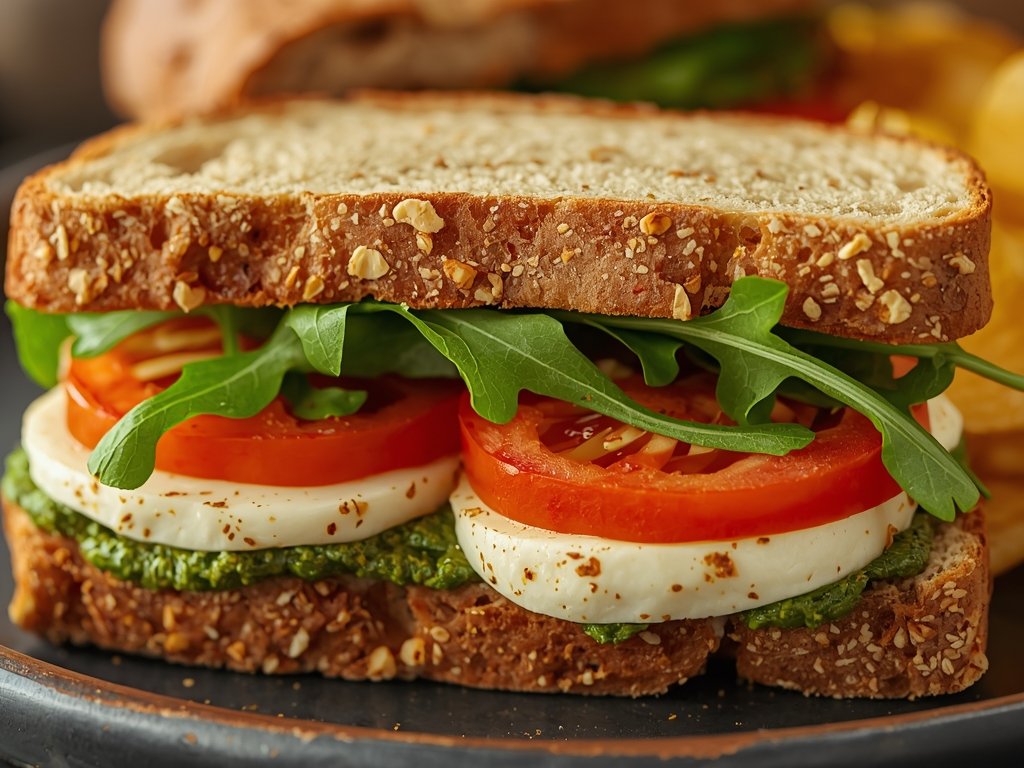
While pesto is a natural fit for pasta, its uses extend far beyond that. One of the most delightful ways to enjoy pesto is as a sandwich spread. Here’s how to elevate your sandwich game:
- Choose the right bread – A crusty baguette or a slice of sourdough provides the perfect base for a pesto sandwich.
- Layer with care – Spread a generous amount of pesto on one side of the bread. Add layers of fresh mozzarella, sliced tomatoes, and arugula for a refreshing, flavorful combination.
- Grill for extra crunch – If you have a panini press or a grill pan, toast your sandwich until the bread is crispy and the cheese is melted. This adds a delightful texture contrast.
Pesto also pairs beautifully with grilled vegetables, roasted meats, and even as a dip for crudités. Its versatility knows no bounds!
Pesto-Infused Appetizers and Snacks
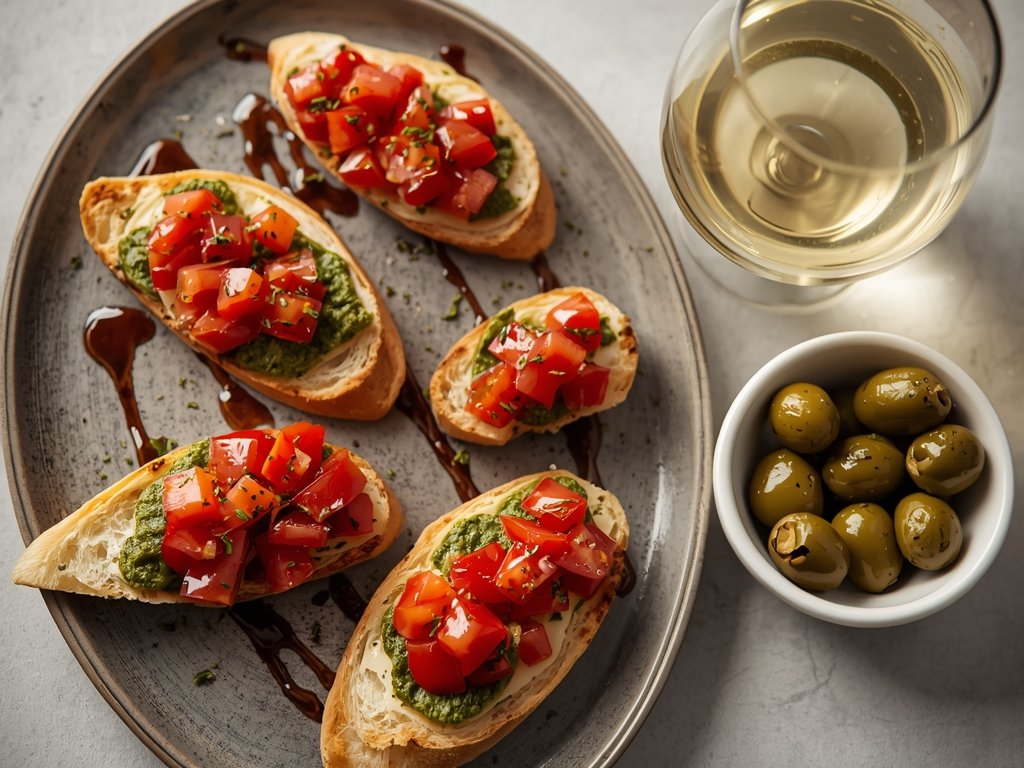
Why stop at main courses? Pesto can also be the star of your appetizer spread. Here are a few ideas to get you started:
- Pesto Bruschetta – Toast slices of baguette, spread with pesto, and top with diced tomatoes, a drizzle of balsamic glaze, and a sprinkle of sea salt.
- Pesto-Marinated Olives – Toss a mix of olives in pesto, let them marinate for a few hours, and serve as a flavorful snack.
- Pesto and Goat Cheese Crostini – Spread pesto on toasted baguette slices, top with a dollop of goat cheese, and garnish with a single basil leaf.
These appetizers are perfect for entertaining or as a quick, elegant snack. Your guests will be impressed by the vibrant colors and bold flavors.
Pesto in Unexpected Places
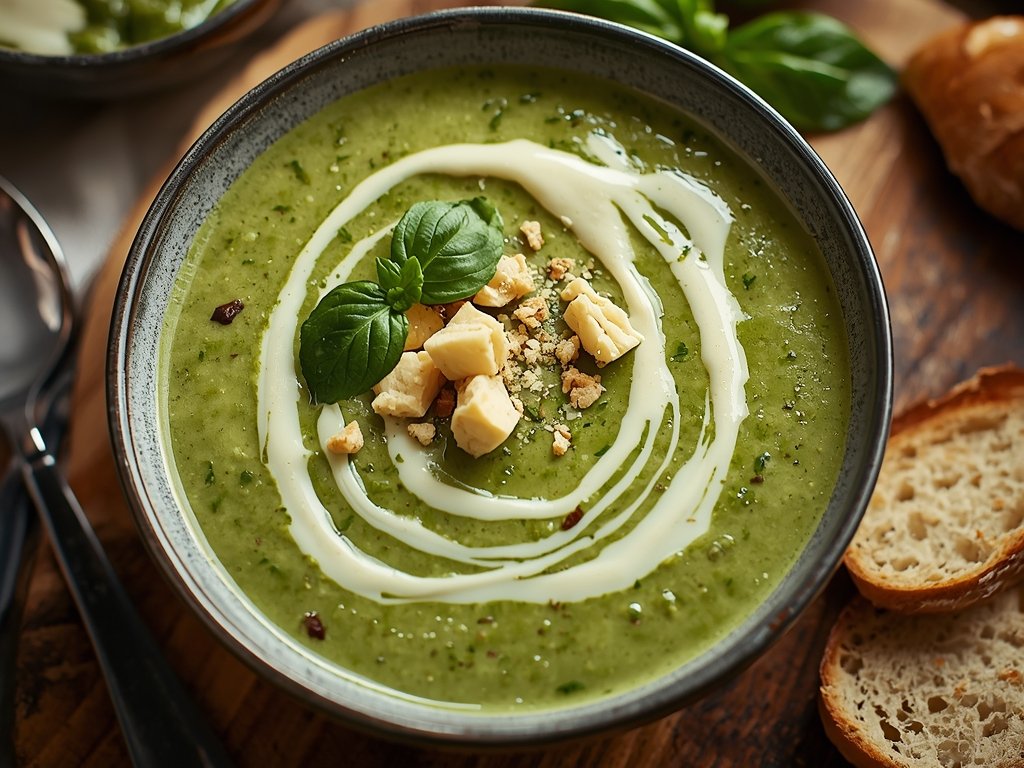
Ready to get creative? Pesto can be incorporated into a variety of dishes you might not have considered. Here are some unexpected ways to use your big batch of pesto:
- Pesto Soup – Blend pesto into a creamy potato or vegetable soup for a vibrant, flavorful twist.
- Pesto-Crusted Fish – Spread pesto on top of fish fillets before baking or grilling for a delicious, herb-crusted finish.
- Pesto Pizza – Use pesto as a base for your pizza instead of traditional tomato sauce. Top with mozzarella, cherry tomatoes, and arugula for a fresh, gourmet pie.
These ideas are just the tip of the iceberg. With a big batch of pesto on hand, the culinary possibilities are endless.
FAQ
Can I use different nuts in pesto?
Absolutely! While pine nuts are traditional, you can substitute them with walnuts, almonds, or even pistachios for a unique flavor profile.
How long does pesto last in the fridge?
Properly stored in an airtight container, pesto will last about a week in the refrigerator. For longer storage, freeze it in ice cube trays and transfer the cubes to a freezer bag.
Can I make pesto without cheese?
Yes, you can omit the cheese for a vegan version. The pesto will still be flavorful, though it may lack some of the richness that Parmesan provides.
What’s the best way to thaw frozen pesto?
Thaw frozen pesto cubes in the refrigerator overnight. Once thawed, give it a good stir before using, as the oil may separate during freezing.
Can I use dried basil instead of fresh?
While fresh basil is preferred for its vibrant flavor, you can use dried basil in a pinch. However, the pesto may not have the same bright, fresh taste.