Follow Me On Social Media!

Why Precision Matters in Baking
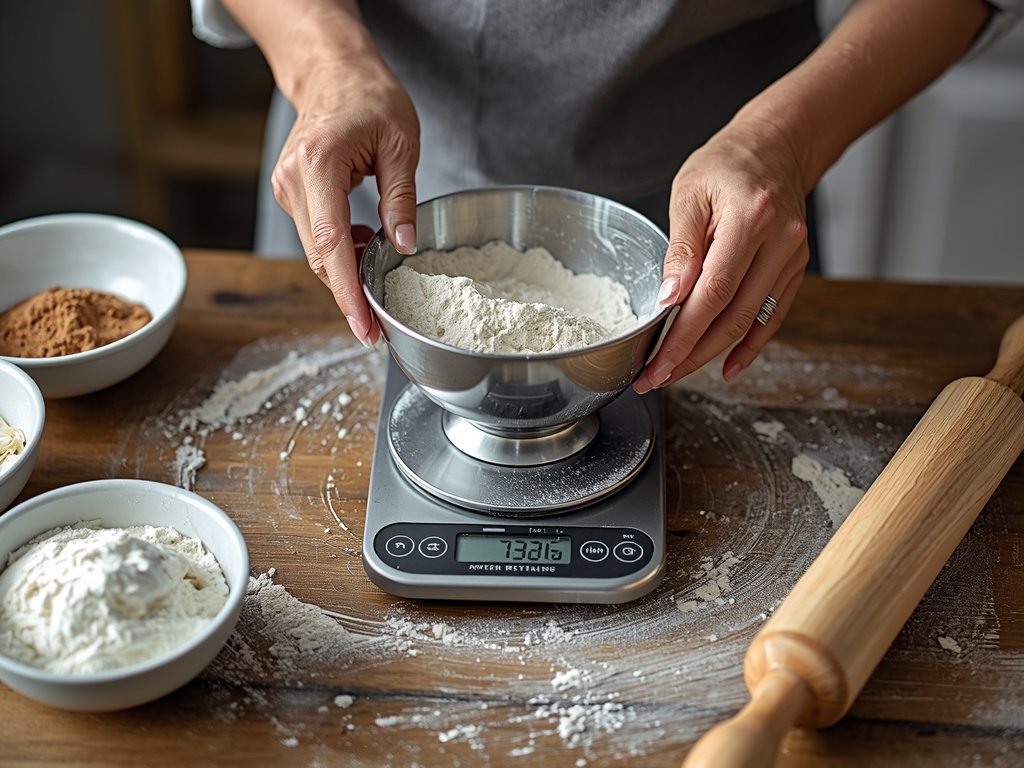
Baking is a science, and like any good scientist, you need accurate measurements. In the U.S., where recipes often call for cups and tablespoons, it’s easy to think eyeballing is enough. But here’s the truth: a cup of flour can vary by up to 20% depending on how it’s scooped. That’s where a kitchen scale steps in as your secret weapon. Whether you’re whipping up a classic apple pie or experimenting with sourdough, precision ensures consistency. No more flat cakes or dry cookies—just perfect results every time.
Digital vs. Analog: Which Scale Reigns Supreme?

The debate between digital and analog scales is as old as the Great American Cookie Debate (chocolate chip vs. oatmeal raisin, anyone?). Digital scales offer precision down to the gram, making them ideal for delicate recipes like macarons. They’re also user-friendly, with features like tare functions and unit conversions. Analog scales, on the other hand, are nostalgic and reliable—perfect for those who prefer a no-frills approach. For most home bakers in the U.S., digital scales win out for their accuracy and versatility, especially when following European recipes that use metric measurements.
Top Features to Look for in a Kitchen Scale
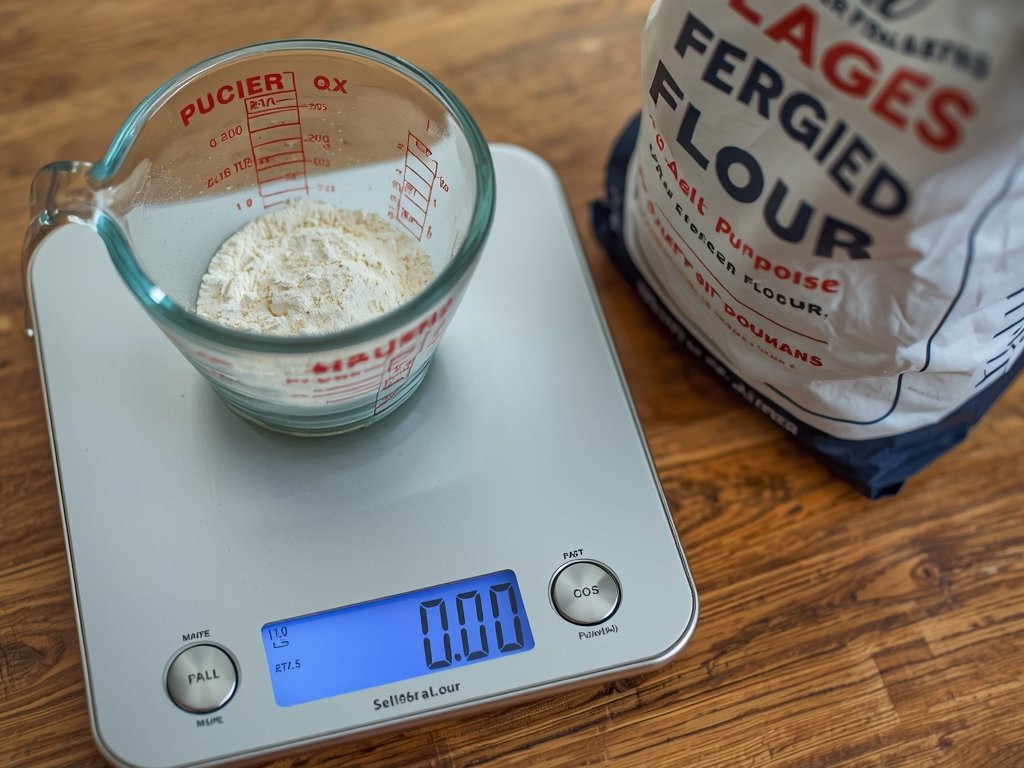
Not all kitchen scales are created equal. When shopping, keep an eye out for these must-have features:
- Accuracy: Look for a scale that measures in grams and ounces with precision.
- Capacity: A scale that can handle up to 11 pounds (5 kg) is ideal for both small and large batches.
- Tare Function: This allows you to reset the scale to zero after adding a container, making it easier to measure multiple ingredients.
- Battery Life: Opt for a scale with long-lasting batteries or a rechargeable option.
- Compact Design: A slim, easy-to-store scale is a kitchen space-saver.
The Best Kitchen Scales for Every Baker

Best Overall: OXO Good Grips Stainless Steel Food Scale
This scale is a favorite among U.S. bakers for its durability and ease of use. With a pull-out display that prevents shadowing from large bowls, it’s perfect for everything from measuring flour to portioning dough. The stainless steel platform is easy to clean, and the scale’s compact design makes it a countertop staple.
Best Budget: Etekcity Digital Kitchen Scale
For those on a budget, this scale offers incredible value. It’s lightweight, accurate, and features a sleek design. The auto-off function saves battery life, and the tare function makes measuring a breeze. It’s a great entry-level option for casual bakers.
Best for Professionals: Escali Primo Digital Scale
If you’re serious about baking, the Escali Primo is a game-changer. Its high capacity and precision make it ideal for large batches of bread or pastries. The sealed control panel protects against spills, and the long-lasting battery ensures it’s always ready to use.
Best Analog: Taylor Stainless Steel Analog Kitchen Scale
For a touch of nostalgia, this analog scale delivers. Its classic design and easy-to-read dial make it a charming addition to any kitchen. While it may not offer the precision of digital scales, it’s perfect for straightforward recipes like pie crusts or muffins.
Best Smart Scale: Greater Goods Smart Nutrition Scale
Tech-savvy bakers will love this smart scale, which connects to an app to track nutritional information. It’s perfect for health-conscious bakers or those following specific diets. The app also offers recipe ideas, making it a versatile tool for modern kitchens.
How to Use Your Kitchen Scale Like a Pro
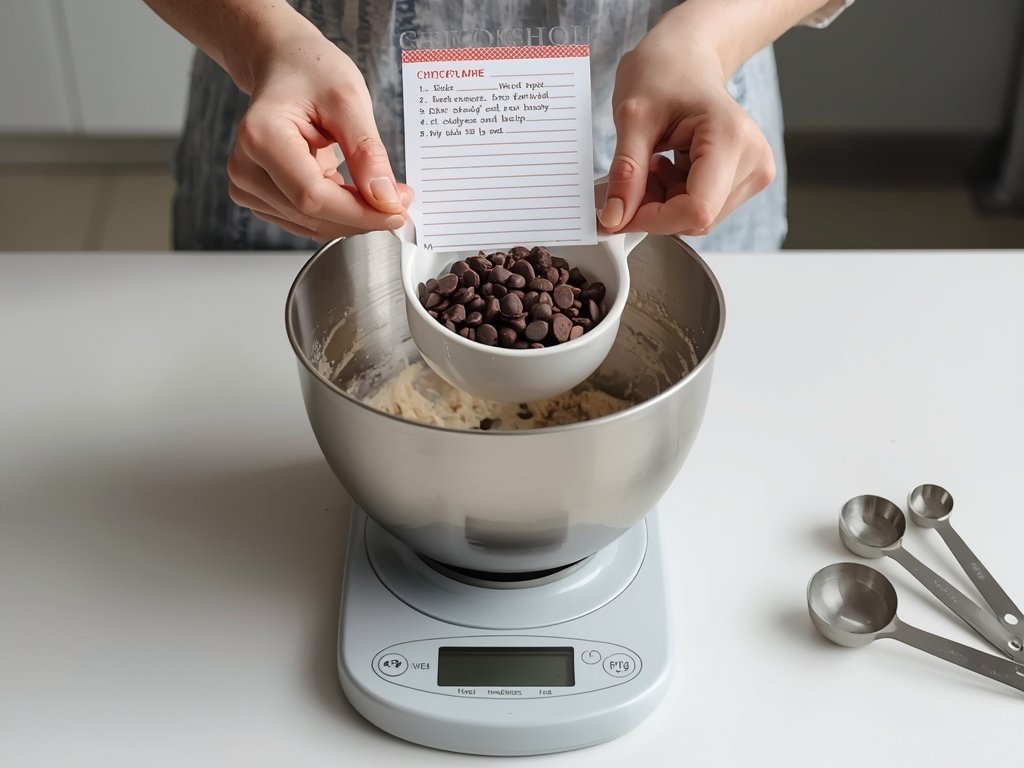
Once you’ve got your scale, it’s time to put it to work. Start by placing your mixing bowl on the scale and zeroing it out using the tare function. Add your ingredients one at a time, ensuring you hit the exact measurements. For dry ingredients like flour, spoon it into the bowl rather than scooping to avoid packing. Wet ingredients like milk or oil can be poured directly. With practice, you’ll find that weighing ingredients is faster and more efficient than using measuring cups.
FAQ
Can I use a kitchen scale for both baking and cooking?
Absolutely! A kitchen scale is versatile and can be used for both baking and cooking. It’s especially handy for portioning meats or measuring ingredients for soups and stews.
How do I clean my kitchen scale?
Most digital scales have a glass or stainless steel platform that can be wiped clean with a damp cloth. Avoid submerging the scale in water, and never use abrasive cleaners that could damage the surface.
Are kitchen scales worth the investment?
Yes, especially if you bake frequently. A good kitchen scale ensures consistency, saves time, and reduces waste by eliminating the need for multiple measuring cups.
Can I use a kitchen scale for weight loss?
Definitely! Many people use kitchen scales to portion meals and track calorie intake. It’s a precise way to manage serving sizes and stay on track with dietary goals.
What’s the best way to store a kitchen scale?
Store your scale in a dry, cool place, away from heat sources like stoves or ovens. If it’s compact, you can easily tuck it into a drawer or cabinet for safekeeping.

David handles the Kitchen Gear category, reviewing tools, equipment, and accessories that make cooking and food storage easier. His articles focus on practical recommendations for everyday home cooks.

← Previous
Smart Meat Thermometers: Uncovering the Truth About Accuracy
Next →
Kitchen Gadgets to Avoid: Save Counter Space and Money