Follow Me On Social Media!

The Ancient Art of Berry Vinegar Baths

Long before refrigerators and preservatives, our ancestors relied on clever techniques to keep their food fresh. One such method, the berry vinegar bath, has been a well-guarded secret in many American households, particularly in the rural South and Midwest.
This age-old practice involves submerging fresh berries in a vinegar solution, creating a natural barrier against mold and bacteria. The result? Berries that stay fresh for weeks, retaining their flavor, texture, and nutritional value.
Why Mold is a Berry’s Worst Enemy

Berries, with their delicate skin and high moisture content, are particularly susceptible to mold. In the warm, humid climates of states like Florida, Georgia, and Louisiana, mold can wreak havoc on a batch of berries in just a few days.
Not only does mold ruin the taste and appearance of berries, but it can also pose health risks. Mycotoxins, produced by certain types of mold, can cause allergic reactions and other health issues when consumed.
The Science Behind Mold Growth
Mold thrives in environments with high humidity, warm temperatures, and ample food sources. Berries, being rich in natural sugars, provide the perfect breeding ground for mold spores.
When mold spores land on a berry, they begin to germinate, sending out thread-like structures called hyphae. These hyphae penetrate the berry’s skin, absorbing nutrients and releasing enzymes that break down the fruit’s cell walls.
How Berry Vinegar Baths Work

The secret to a successful berry vinegar bath lies in the acetic acid present in vinegar. This mild acid creates an environment that’s hostile to mold and bacteria, effectively stopping them in their tracks.
When berries are submerged in a vinegar solution, the acetic acid penetrates their skin, lowering the pH level and creating a barrier against mold growth. At the same time, the vinegar’s antimicrobial properties help to eliminate any existing mold spores or bacteria.
Choosing the Right Vinegar
Not all vinegars are created equal. For berry vinegar baths, it’s best to use a mild, unfiltered vinegar with a low acidity level (around 5%). Apple cider vinegar, with its slightly sweet flavor and gentle acidity, is a popular choice among home preservers.
Avoid using highly acidic vinegars, such as distilled white vinegar, as they can alter the taste and texture of your berries. Similarly, flavored vinegars, like balsamic or red wine vinegar, can impart unwanted flavors to your fruit.
A Step-by-Step Guide to Berry Vinegar Baths
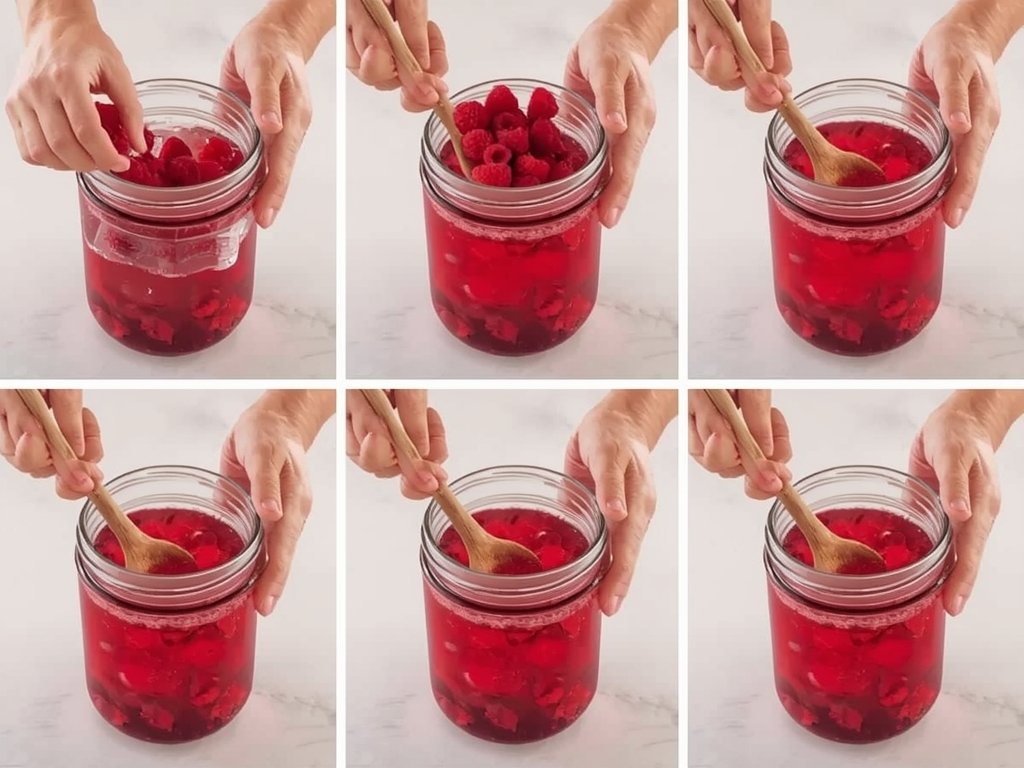
Ready to try your hand at berry vinegar baths? Here’s a simple, step-by-step guide to get you started:
- Gather your ingredients: fresh berries, mild vinegar, and a non-reactive container (glass or food-grade plastic).
- Rinse your berries gently under cold water to remove any dirt or debris.
- Prepare your vinegar solution by mixing 1 part vinegar with 3 parts water. For example, use 1 cup of vinegar and 3 cups of water for every 4 cups of berries.
- Place your berries in the container and pour the vinegar solution over them, ensuring they’re fully submerged.
- Seal the container and store it in the refrigerator for 10-15 minutes. This brief soak is enough to create a protective barrier against mold.
- Drain the berries and rinse them gently under cold water to remove any excess vinegar.
- Pat your berries dry with a clean towel and store them in the refrigerator. They should stay fresh for up to 2-3 weeks.
Tips for Success
- Use only fresh, unblemished berries for your vinegar bath. Damaged or overripe berries can introduce mold spores into the solution.
- Don’t overcrowd your container. Leave enough space for the vinegar solution to circulate around the berries.
- Label your container with the date and type of berries. This will help you keep track of their freshness.
Real-Life Applications and Recipes
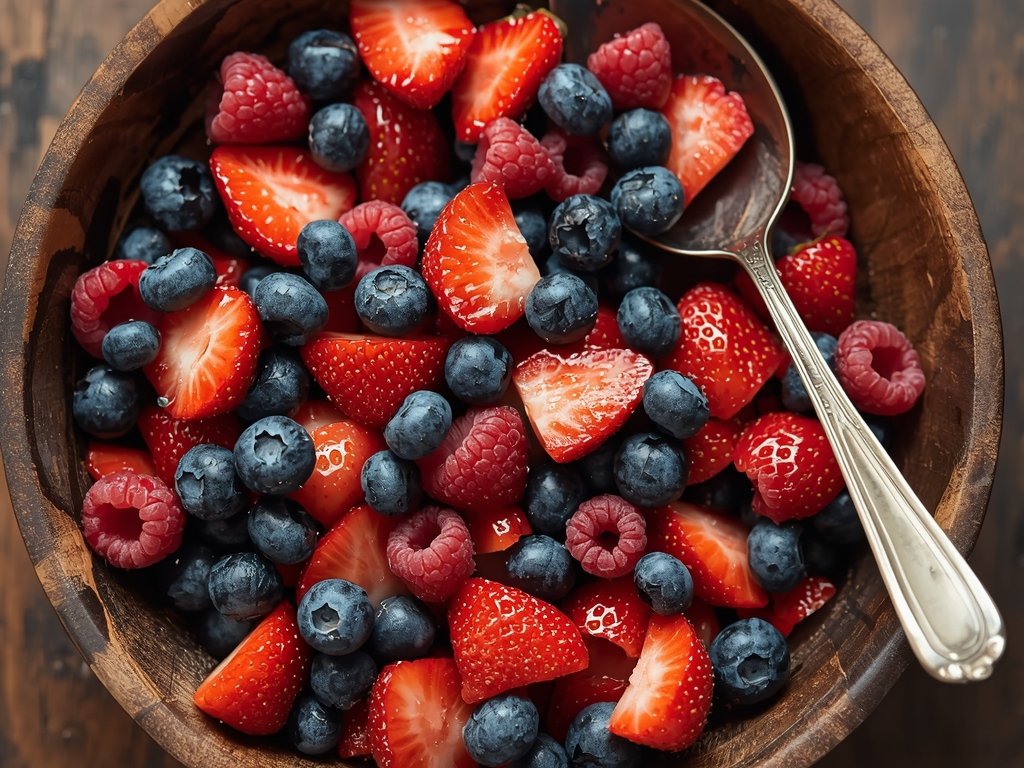
Berry vinegar baths aren’t just a preservation technique – they’re a gateway to a world of culinary possibilities. From pies and jams to smoothies and salads, fresh berries are a staple in many American recipes.
In the Pacific Northwest, where berry picking is a beloved summer tradition, vinegar baths help to extend the life of freshly picked blueberries, raspberries, and blackberries. In the South, vinegar-bathed strawberries are a key ingredient in classic desserts like strawberry shortcake and cobbler.
Recipe Ideas
- Berry Vinegar Bath Jam: Use your preserved berries to make a delicious, mold-free jam. Simply cook the berries with sugar and lemon juice, then seal the jam in sterilized jars.
- Summer Berry Salad: Toss your vinegar-bathed berries with fresh greens, crumbled cheese, and a balsamic vinaigrette for a refreshing summer salad.
- Berry Smoothie Bowl: Blend your preserved berries with yogurt and honey, then top with granola, nuts, and fresh fruit for a nutritious breakfast bowl.
FAQ
Can I use frozen berries for a vinegar bath?
While fresh berries are ideal, you can use frozen berries for a vinegar bath. However, be aware that frozen berries may have a slightly softer texture after the bath. Thaw them completely before submerging in the vinegar solution, and use them within a few days for best results.
How long can I store berries after a vinegar bath?
When stored properly in the refrigerator, berries preserved using the vinegar bath method can stay fresh for up to 2-3 weeks. Be sure to use a clean container and avoid contaminating the berries with dirty utensils or hands.
Can I reuse the vinegar solution?
It’s not recommended to reuse the vinegar solution, as it may contain mold spores or bacteria from the previous batch of berries. Always prepare a fresh solution for each batch to ensure maximum effectiveness.
Will the vinegar affect the taste of my berries?
When used correctly, the vinegar solution should not significantly alter the taste of your berries. The brief soak and subsequent rinse help to remove any excess vinegar, leaving your berries fresh and flavorful.
Can I use this method for other fruits?
Yes, the berry vinegar bath method can be adapted for other delicate fruits, such as grapes, cherries, and figs. Adjust the vinegar-to-water ratio and soaking time as needed, depending on the fruit’s size and texture.

Lina leads the Fresh Hacks category, covering food storage tips, freshness preservation, and smart ways to extend the life of your groceries. Her guides help readers keep ingredients at peak quality for longer.

← Previous
Keep Asparagus Crunchy for 10+ Days with This Simple Jar Hack
Next →
Potato & Onion Divorce: Why Separate Storage is Key