Follow Me On Social Media!

The Unsung Hero of Kitchen Cleanup
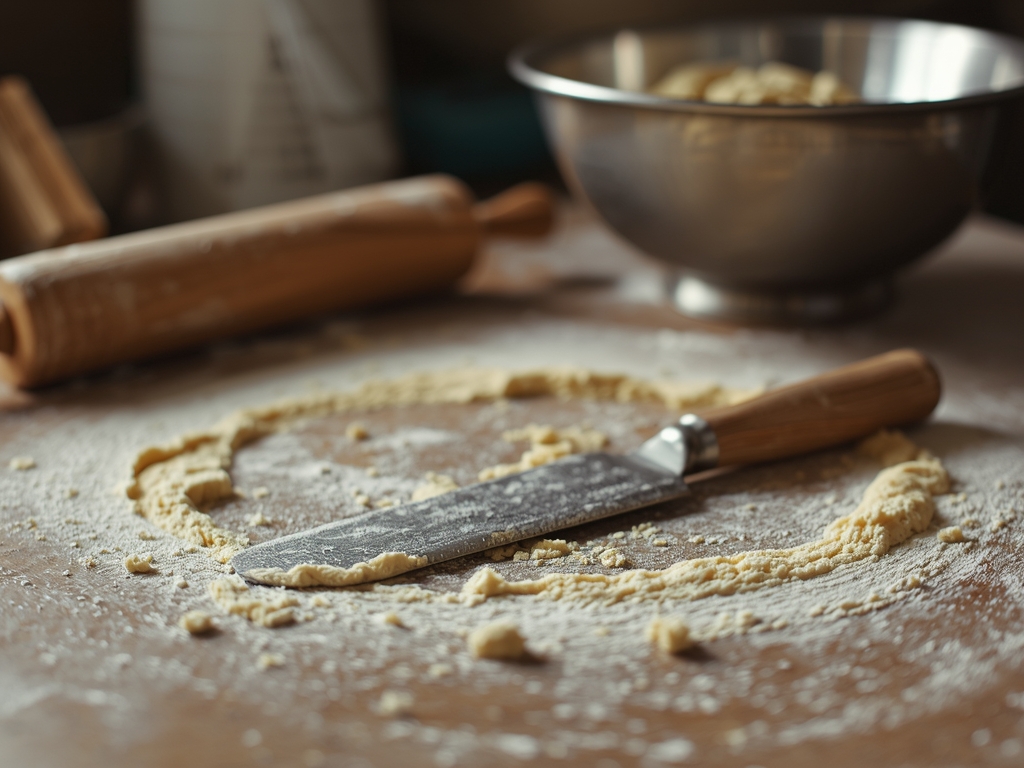
In the bustling kitchens of America, from the bustling food trucks of Austin to the cozy farmhouse kitchens of the Midwest, one tool stands out as the unsung hero of cleanup: the bench scraper. This humble instrument, often overshadowed by its flashier counterparts like the stand mixer or the immersion blender, is a workhorse that deserves a place in every home cook’s arsenal.
Whether you’re a seasoned baker or a weekend warrior, the bench scraper is the key to maintaining a clean and efficient workspace. Its simple design belies its versatility, making it an indispensable tool for anyone who spends time in the kitchen.
A Brief History of the Bench Scraper
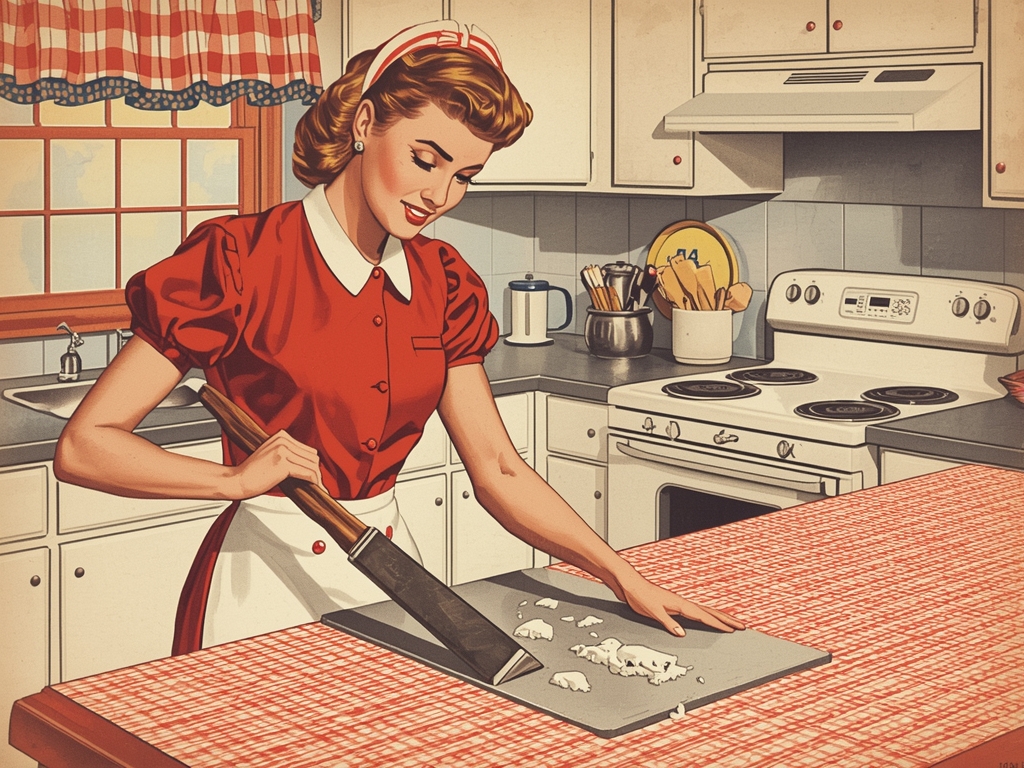
The bench scraper has its roots in the traditional bakeries of Europe, where it was used to divide and shape dough. However, it wasn’t until the mid-20th century that the tool gained popularity in American kitchens.
As home baking became more prevalent in the post-war era, the bench scraper emerged as a must-have tool for housewives and home cooks alike. Its ability to quickly and efficiently clean countertops and cutting boards made it a favorite among those who valued cleanliness and organization in the kitchen.
From Bakeries to Home Kitchens
Today, the bench scraper is a staple in professional kitchens across the United States, from the bustling pizzerias of New York City to the upscale restaurants of Los Angeles. But it’s not just for the pros – home cooks and baking enthusiasts have also embraced this versatile tool.
With the rise of food blogs and cooking shows, the bench scraper has gained a new generation of fans, who appreciate its simplicity and effectiveness in maintaining a clean and organized kitchen.
The Anatomy of a Bench Scraper
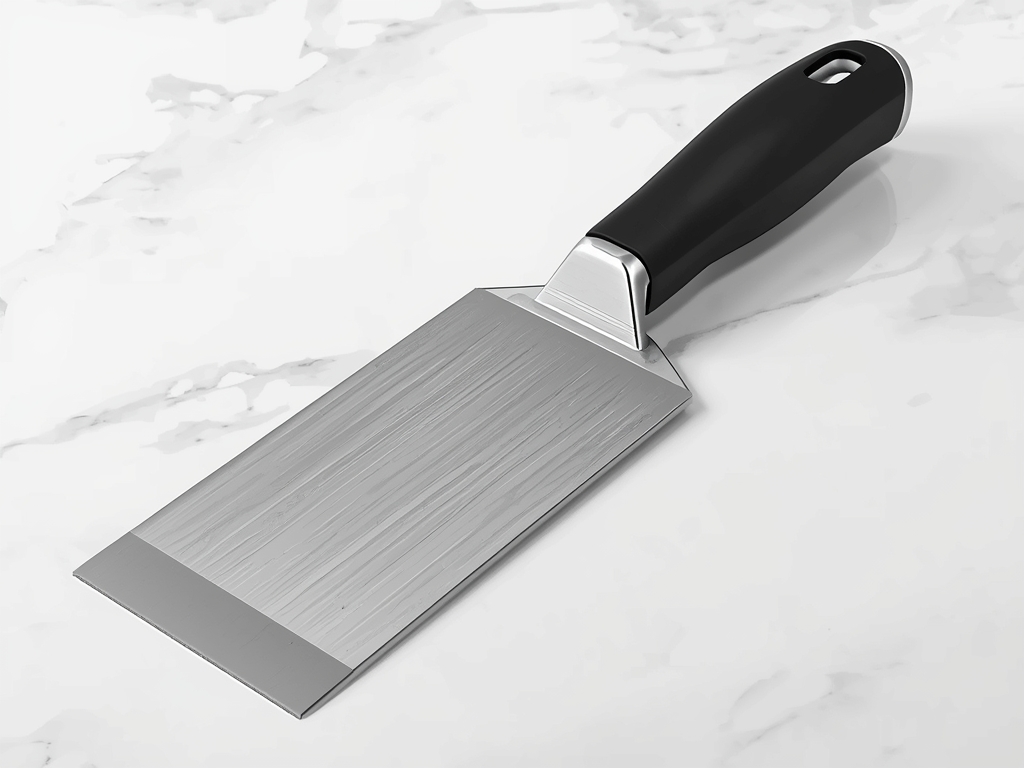
At first glance, the bench scraper may seem like a simple tool, but its design is the result of careful consideration and refinement. A typical bench scraper consists of a sturdy metal blade, usually made of stainless steel, and a comfortable grip handle.
The blade is the workhorse of the tool, designed to be both durable and flexible. It’s thin enough to get under sticky dough or stubborn food particles, yet sturdy enough to handle heavy scraping and chopping tasks.
Materials and Construction
When it comes to materials, stainless steel is the most common choice for bench scraper blades. This corrosion-resistant material is ideal for use in wet or humid environments, making it perfect for kitchen applications.
The handle, on the other hand, is typically made from a comfortable, non-slip material like rubber or plastic. This ensures a secure grip, even when your hands are wet or greasy.
The Many Uses of a Bench Scraper
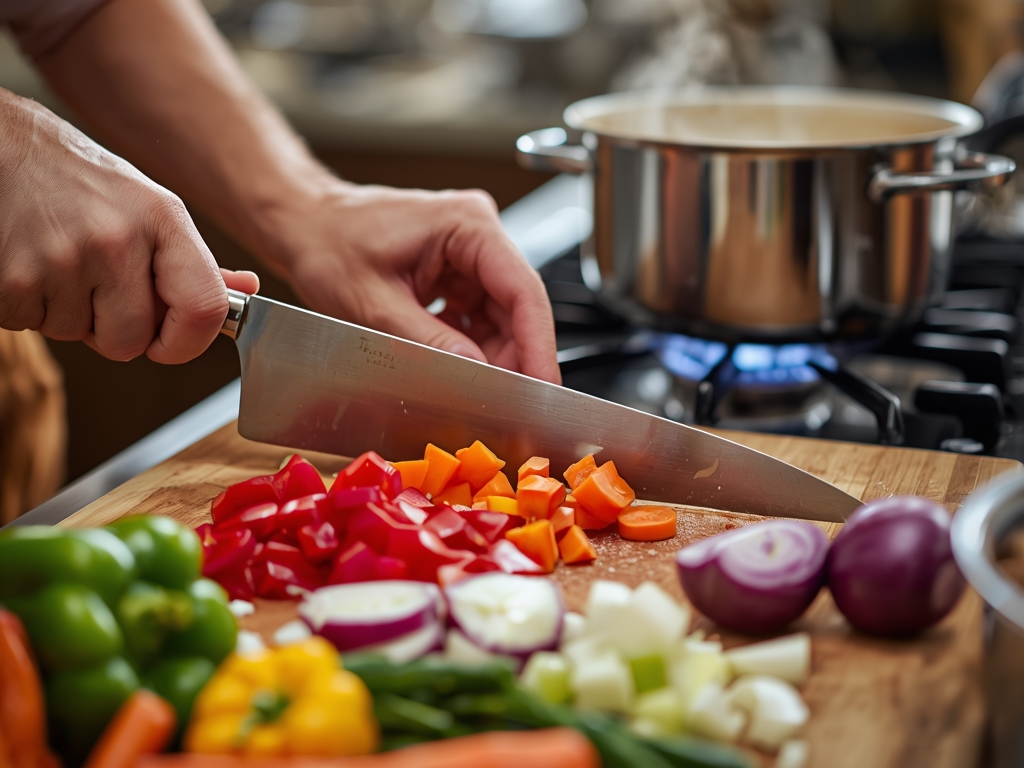
While the bench scraper is often associated with baking, its uses extend far beyond the world of bread and pastries. In fact, this versatile tool can be used for a wide range of kitchen tasks, from chopping vegetables to cleaning grills.
Here are just a few examples of how you can put your bench scraper to work:
- Scraping and cleaning: Use the bench scraper to remove stuck-on food from countertops, cutting boards, and baking sheets.
- Chopping and mincing: The sharp, straight edge of the bench scraper makes it ideal for chopping vegetables, herbs, and nuts.
- Lifting and transferring: Use the bench scraper to lift and transfer delicate foods, like fish fillets or cake layers, without damaging them.
Creative Applications
But don’t stop there – the bench scraper can also be used for more creative tasks, like:
- Making homemade pasta: Use the bench scraper to cut and shape pasta dough into noodles or ravioli.
- Decorating cakes: The straight edge of the bench scraper can be used to create clean, sharp edges on frosted cakes.
- Grilling and BBQ: Use the bench scraper to clean grill grates and remove excess grease and food particles.
Tips and Tricks for Bench Scraper Mastery
To get the most out of your bench scraper, it’s essential to use it correctly and maintain it properly. Here are a few tips and tricks to help you master this versatile tool:
- Use a light touch: When scraping or chopping, use a light, gentle touch to avoid damaging your countertops or cutting boards.
- Keep it clean: Wash your bench scraper with soap and water after each use, and dry it thoroughly to prevent rust and corrosion.
- Store it properly: Store your bench scraper in a dry, well-ventilated area, away from moisture and humidity.
Common Mistakes to Avoid
Even experienced cooks can make mistakes when using a bench scraper. Here are a few common pitfalls to avoid:
- Using too much force: Applying too much pressure can damage your countertops or cutting boards, and may even cause the bench scraper to bend or break.
- Neglecting maintenance: Failing to clean and maintain your bench scraper can lead to rust, corrosion, and decreased performance.
- Storing it improperly: Storing your bench scraper in a damp or humid environment can cause it to rust and deteriorate over time.
FAQ
What is the best material for a bench scraper?
Stainless steel is the most popular and durable material for bench scraper blades, offering corrosion resistance and long-lasting performance.
Can I use a bench scraper on non-stick surfaces?
Yes, but use caution and avoid applying too much pressure, as this can damage the non-stick coating. Opt for a plastic or silicone bench scraper if you’re concerned about scratching.
How do I sharpen my bench scraper?
Most bench scrapers do not require sharpening, as they are designed with a straight, sharp edge. However, if your bench scraper becomes dull or damaged, you can use a sharpening stone or honing steel to restore its edge.
Can I put my bench scraper in the dishwasher?
It’s generally recommended to hand-wash your bench scraper with soap and water to prevent rust and corrosion. However, some bench scrapers may be dishwasher-safe – check the manufacturer’s instructions to be sure.
What are some alternative uses for a bench scraper?
In addition to its kitchen uses, a bench scraper can also be used for tasks like cleaning grills, scraping ice, or even as a makeshift putty knife for DIY projects.

David handles the Kitchen Gear category, reviewing tools, equipment, and accessories that make cooking and food storage easier. His articles focus on practical recommendations for everyday home cooks.

← Previous
Silicon Mats vs. Oil: Healthier Baking Choices for Americans
Next →
Digital vs. Analog Scales: Precision Baking for American Kitchens