Follow Me On Social Media!

The Great Banana Breakup: Why Separating Them Slows Ripening
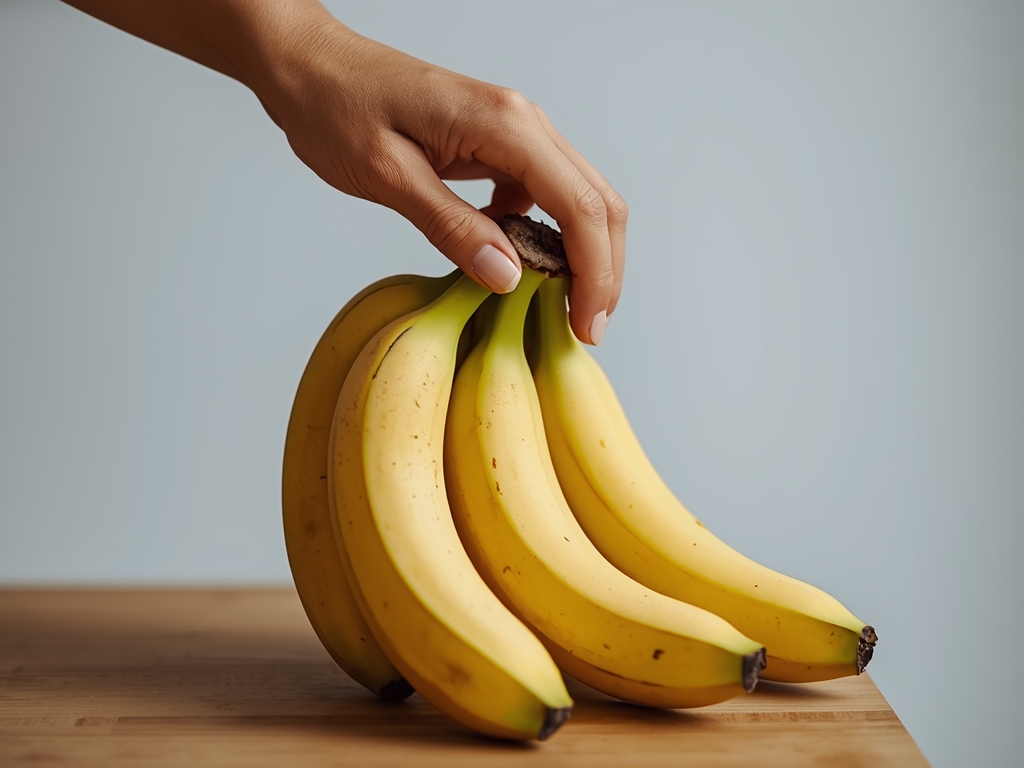
We’ve all been there – staring at a bunch of bananas, debating whether to separate them or leave them be. It’s a common kitchen conundrum, but did you know that pulling bananas apart can actually slow down their ripening process? In the United States, where bananas are a staple in households from coast to coast, understanding this simple trick can help you enjoy perfectly ripe bananas for longer.
From busy moms in suburban Chicago to college students in dorms across Texas, bananas are a go-to snack. But their ripening process can be a bit of a mystery. Let’s peel back the layers (pun intended) and explore why separating bananas can be a game-changer for your fruit bowl.
The Science Behind Banana Ripening
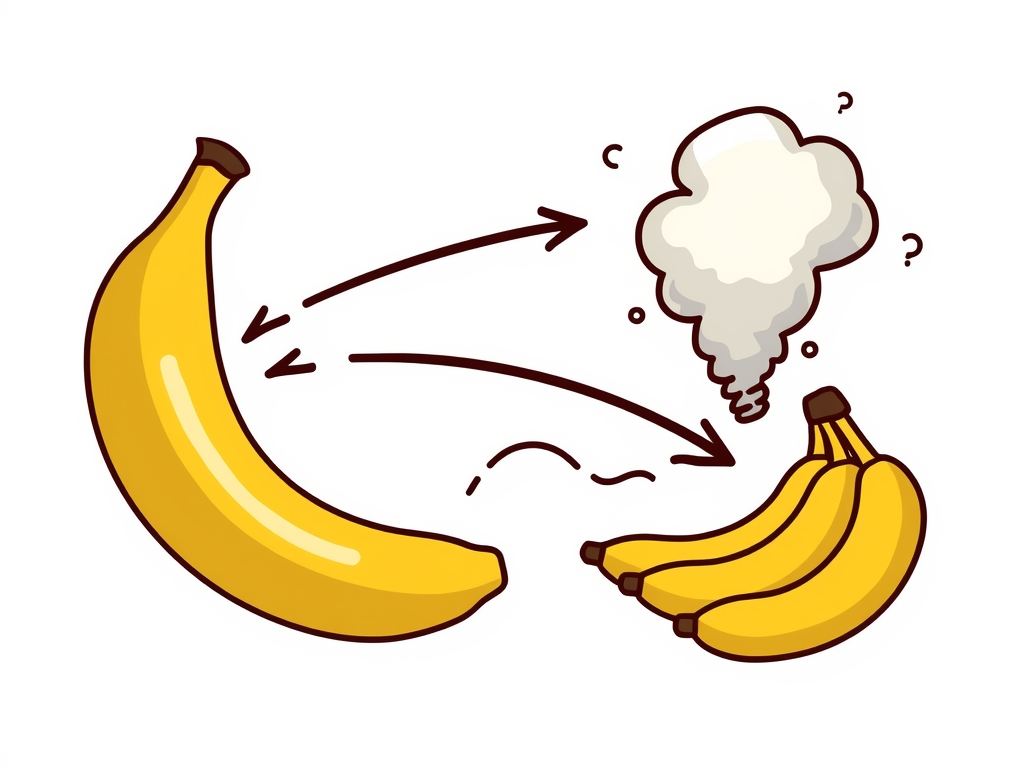
To understand why separating bananas works, we need to talk about ethylene gas. Bananas, like many fruits, produce this gas as they ripen. Ethylene acts as a natural plant hormone, signaling the fruit to soften, sweeten, and change color.
When bananas are bunched together, they trap ethylene gas around themselves, creating a concentrated environment that speeds up ripening. This is why a whole bunch of bananas seems to go from green to brown in the blink of an eye. But when you separate them, you disrupt this ethylene party, slowing down the process.
A Tale of Two Bananas: Bunch vs. Solo
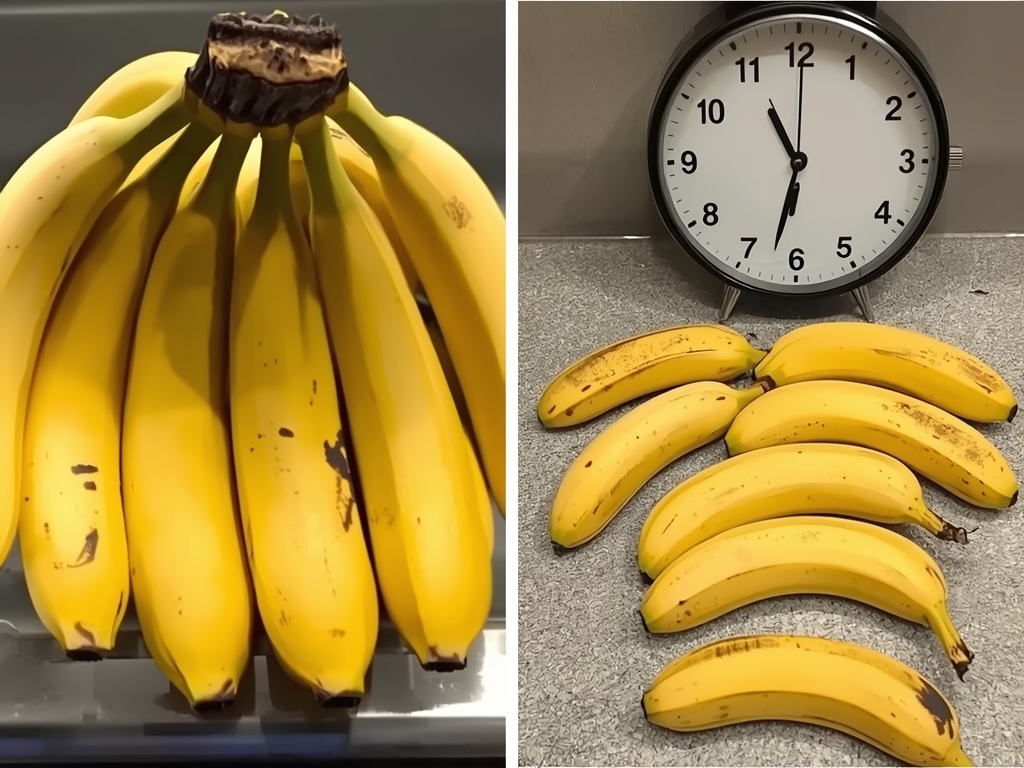
The Bunch Effect
Leaving bananas in a bunch is like putting them in a ripening accelerator. The trapped ethylene gas creates a feedback loop, where each banana encourages the others to ripen faster. This is great if you’re planning a banana bread baking marathon in your New York apartment, but not so much if you want to enjoy them over several days.
The Solo Advantage
Separating bananas is like giving them their own personal space. With less ethylene gas around, they ripen at a more leisurely pace. This method is perfect for families in California who want to savor their bananas throughout the week without worrying about them turning brown too quickly.
Practical Tips for Banana Lovers
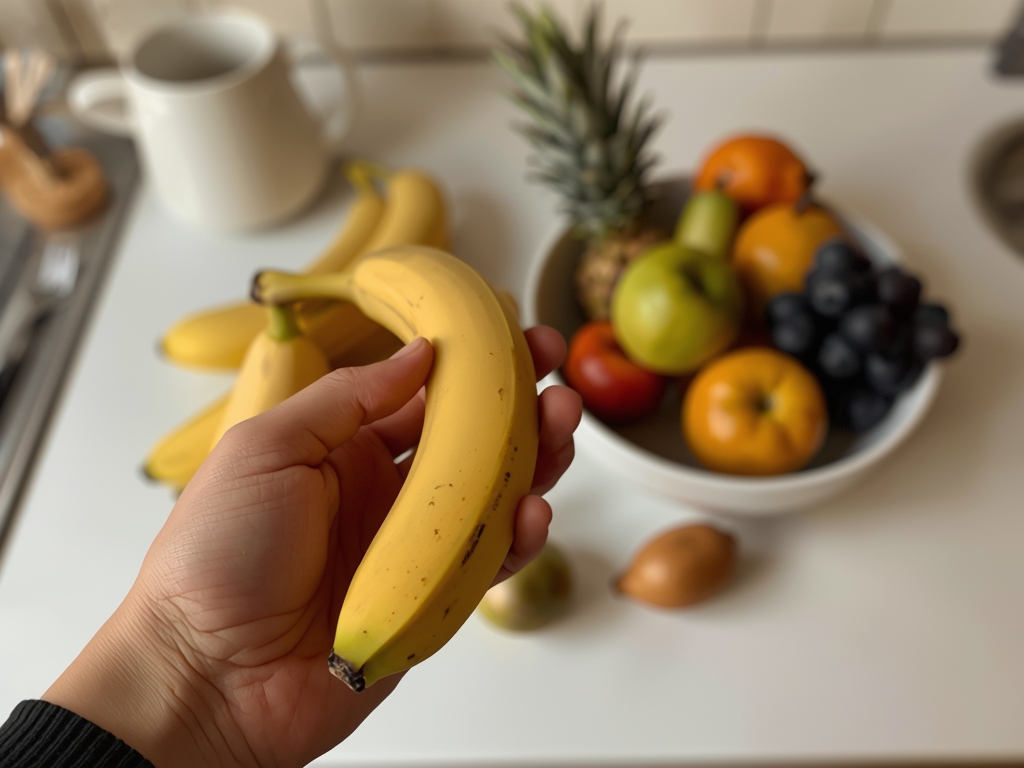
Now that you know the science, let’s get practical. Here are some tips to make the most of your bananas, whether you’re a busy professional in Seattle or a retiree in Florida:
- Separate Early: As soon as you bring your bananas home, gently pull them apart. This gives them the best chance to ripen slowly and evenly.
- Store Strategically: Keep separated bananas in a well-ventilated area. Avoid placing them in a sealed container or plastic bag, as this can trap ethylene and speed up ripening.
- Mix and Match: If you need some bananas to ripen faster, leave a few together in a paper bag. The trapped ethylene will speed up the process, while the separated ones stay fresher longer.
Banana Ripening Myths Debunked
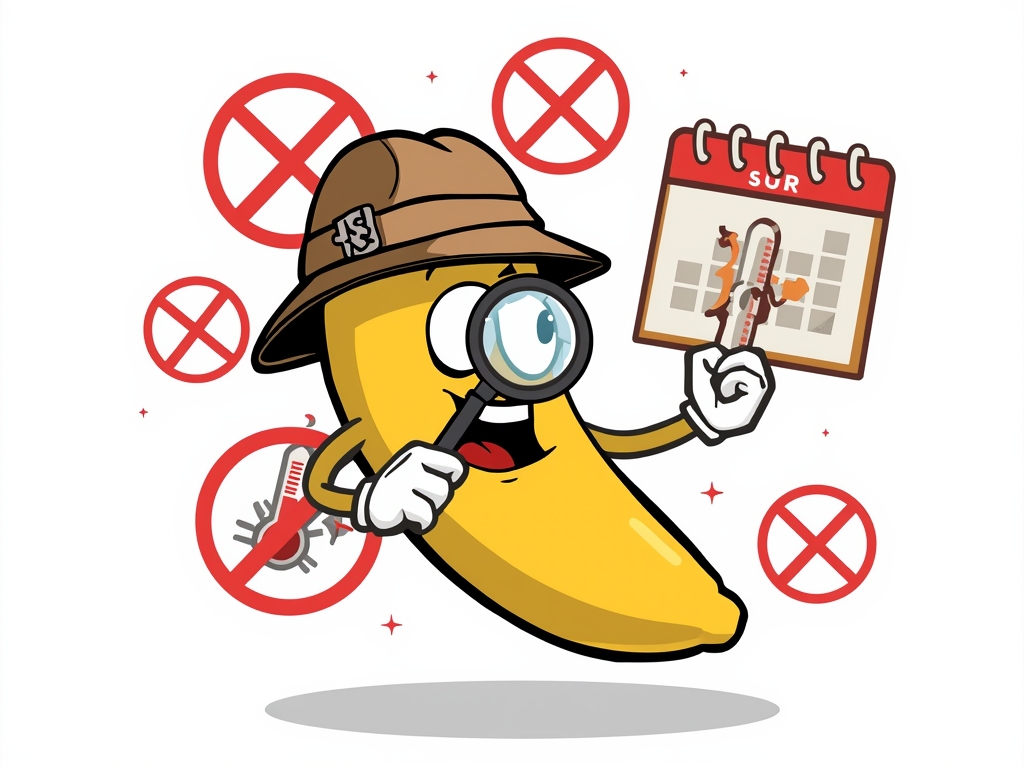
There’s a lot of misinformation out there about banana ripening. Let’s clear up some common myths:
Myth 1: Refrigeration Stops Ripening
While it’s true that cold temperatures slow down ripening, putting green bananas in the fridge can cause their skins to turn brown and their texture to become mushy. It’s best to refrigerate only fully ripe bananas if you want to extend their life by a day or two.
Myth 2: Bananas Ripen Faster in Direct Sunlight
Direct sunlight can actually cause bananas to ripen unevenly and may even damage their skins. Keep them in a cool, shaded area for the best results.
Creative Ways to Use Overripe Bananas
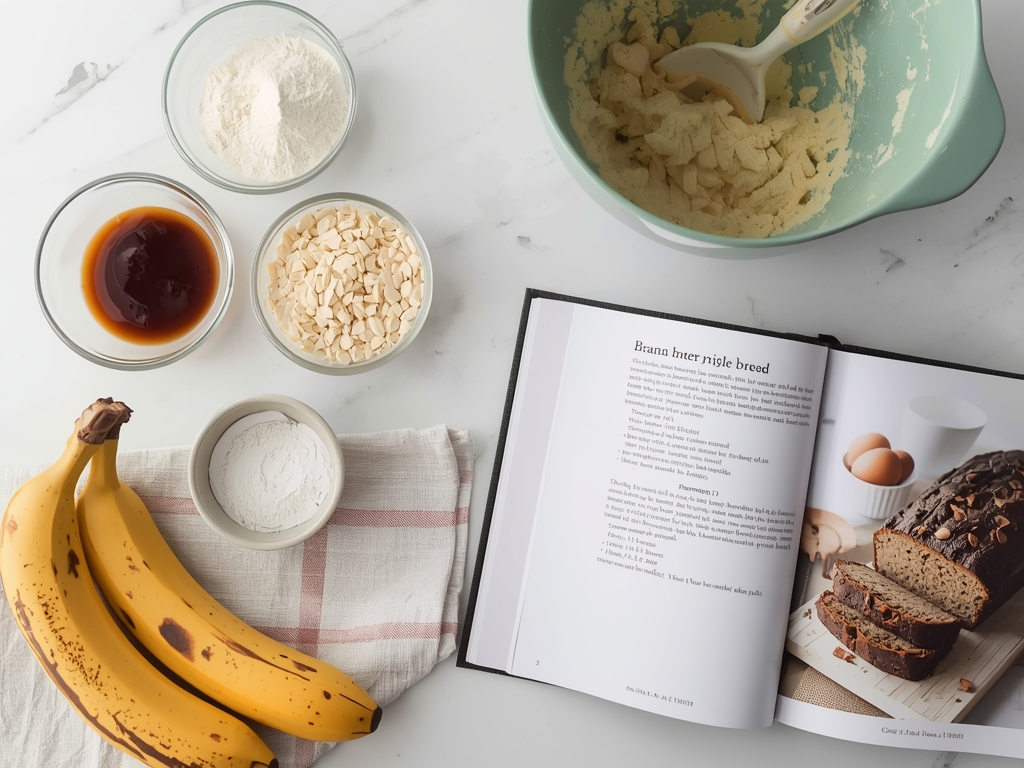
Even with the best intentions, sometimes bananas ripen faster than you can eat them. But don’t toss those brown-spotted fruits just yet! Here are some delicious ways to use overripe bananas:
- Banana Bread: A classic for a reason. Whip up a loaf of banana bread using your overripe bananas for a sweet, moist treat.
- Smoothies: Toss a frozen overripe banana into your blender for a creamy, naturally sweet addition to any smoothie.
- Pancakes: Mash up those bananas and add them to your pancake batter for a healthy, flavorful twist on a breakfast favorite.
FAQ
Can I slow down banana ripening by storing them in the fridge?
Storing green bananas in the fridge can cause their skins to brown and their texture to become mushy. It’s best to refrigerate only fully ripe bananas if you want to extend their life by a day or two.
Does separating bananas really make a difference in ripening speed?
Yes, separating bananas disrupts the concentration of ethylene gas, which slows down the ripening process, allowing you to enjoy them for longer.
Can I speed up banana ripening if needed?
Yes, placing bananas in a paper bag or near other ethylene-producing fruits like apples or tomatoes can speed up ripening.
Are overripe bananas still good to eat?
Overripe bananas are still safe to eat and can be used in baking, smoothies, or other recipes where their sweetness and softness are beneficial.
How long do bananas typically last after being separated?
Separated bananas can last 2-3 days longer than bunched bananas, depending on their initial ripeness and storage conditions.

Lina leads the Fresh Hacks category, covering food storage tips, freshness preservation, and smart ways to extend the life of your groceries. Her guides help readers keep ingredients at peak quality for longer.

← Previous
Softened Butter Hack: Safe Counter Storage Tips
Next →
Decrystallize Honey: Easy Fix Without Boiling