Follow Me On Social Media!

The Green Debate: Avocado Water Bath to the Rescue?
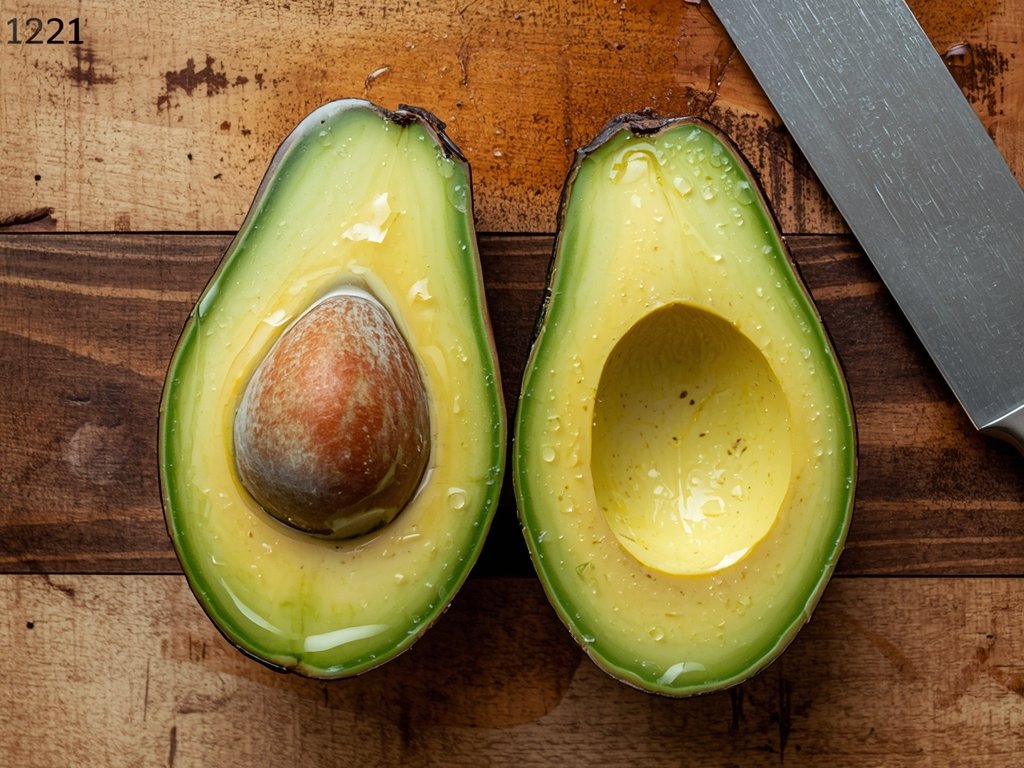
We’ve all been there – you slice into a perfectly ripe avocado, use half for your toast, and vow to save the rest. But come tomorrow, that vibrant green flesh has turned into an unappetizing brown mess. Oxidation, the culprit behind this culinary tragedy, has struck again.
Enter the avocado water submerge method, a hack whispered among foodies and home cooks alike. The idea is simple: submerge your leftover avocado half in a bowl of water, and voilà, oxidation halted. But does this trick actually work? Let’s dive into the science, the myths, and the practicalities of this green-saving technique.
Understanding the Enemy: Oxidation’s Role in Avocado Browning
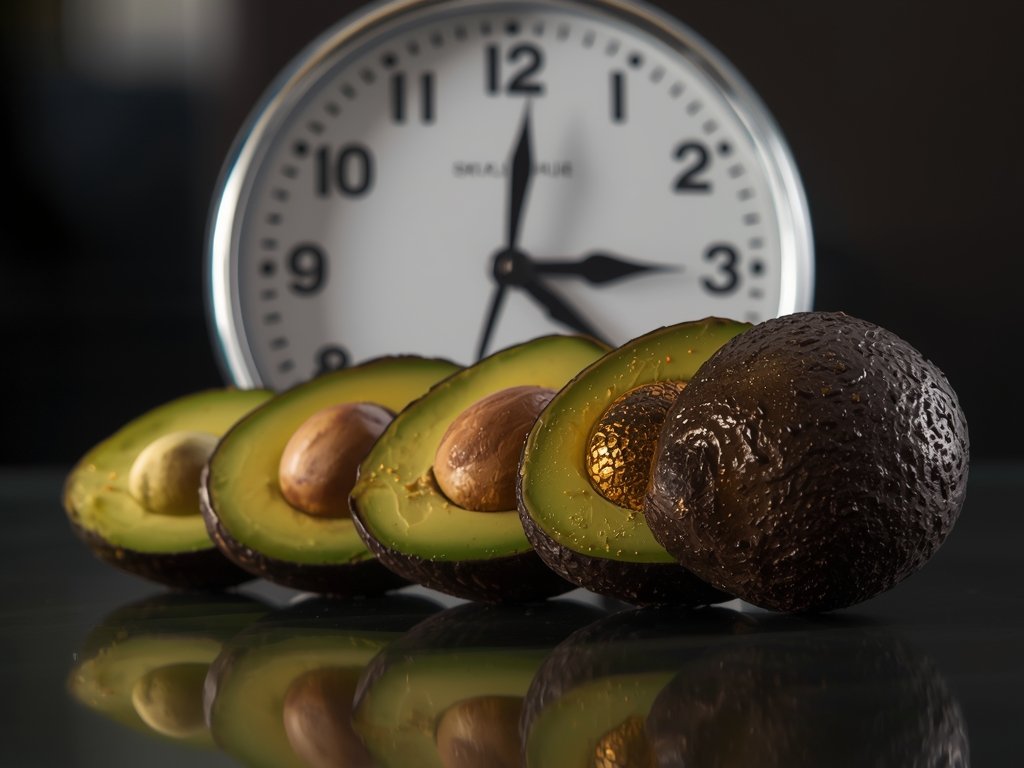
Before we can assess the water submerge method, we need to understand why avocados brown in the first place. The culprit is a natural process called oxidation, which occurs when the fruit’s cells are exposed to air.
When you cut into an avocado, you’re essentially injuring its cells, releasing enzymes that react with oxygen in the air. This reaction produces melanin, the same pigment responsible for skin tanning, resulting in the familiar brown discoloration.
The Science Behind the Brown
The primary enzyme involved in avocado browning is polyphenol oxidase (PPO). When PPO comes into contact with oxygen, it catalyzes a reaction that converts phenolic compounds in the avocado into quinones, which then polymerize to form melanin.
This process is accelerated by factors like heat, light, and the avocado’s own ripeness. A perfectly ripe avocado, with its high water content and soft texture, is particularly susceptible to rapid browning.
The Water Submerge Method: A Deep Dive
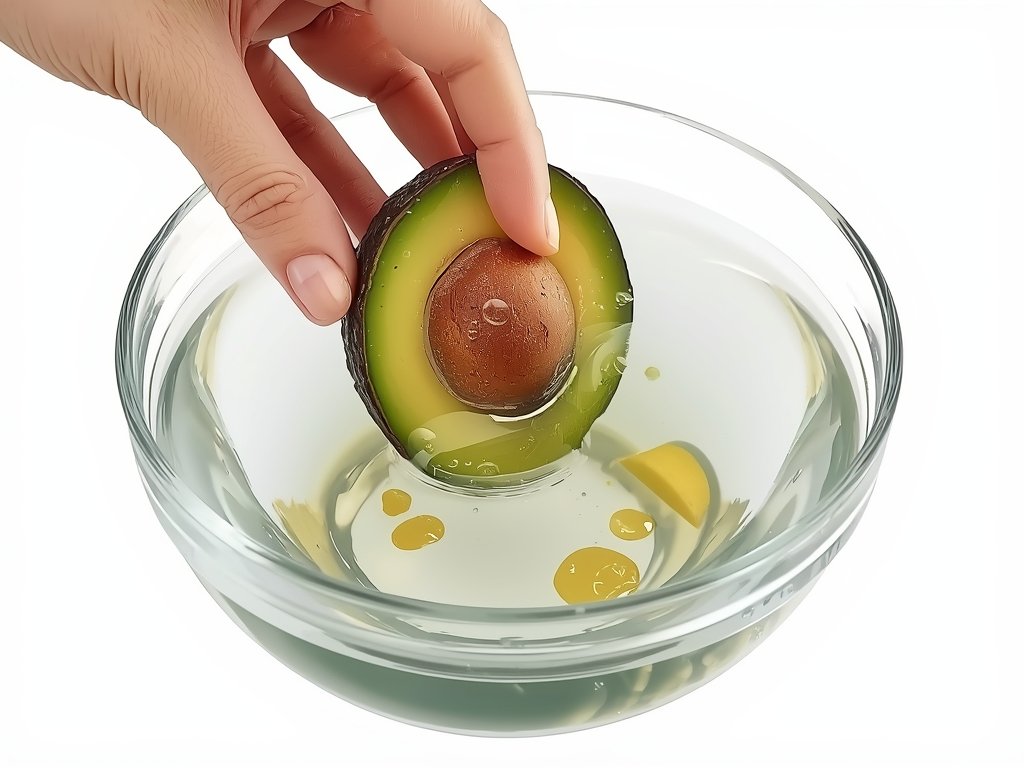
The avocado water submerge method is a simple technique that aims to create a barrier between the avocado’s flesh and the oxygen in the air. By submerging the cut surface in water, you’re essentially depriving the PPO enzymes of the oxygen they need to initiate the browning reaction.
But does this method actually work? The answer, like most things in life, is a bit nuanced. While submerging your avocado in water can indeed slow down the oxidation process, it’s not a foolproof solution.
The Pros and Cons of Water Submersion
- Pros:
- Slows down oxidation by limiting oxygen exposure
- Easy and inexpensive method
- Can extend avocado freshness by up to 24 hours
- Cons:
- Doesn’t completely stop oxidation
- Can dilute the avocado’s flavor
- Requires frequent water changes to maintain effectiveness
Alternative Methods to Keep Your Avocados Green
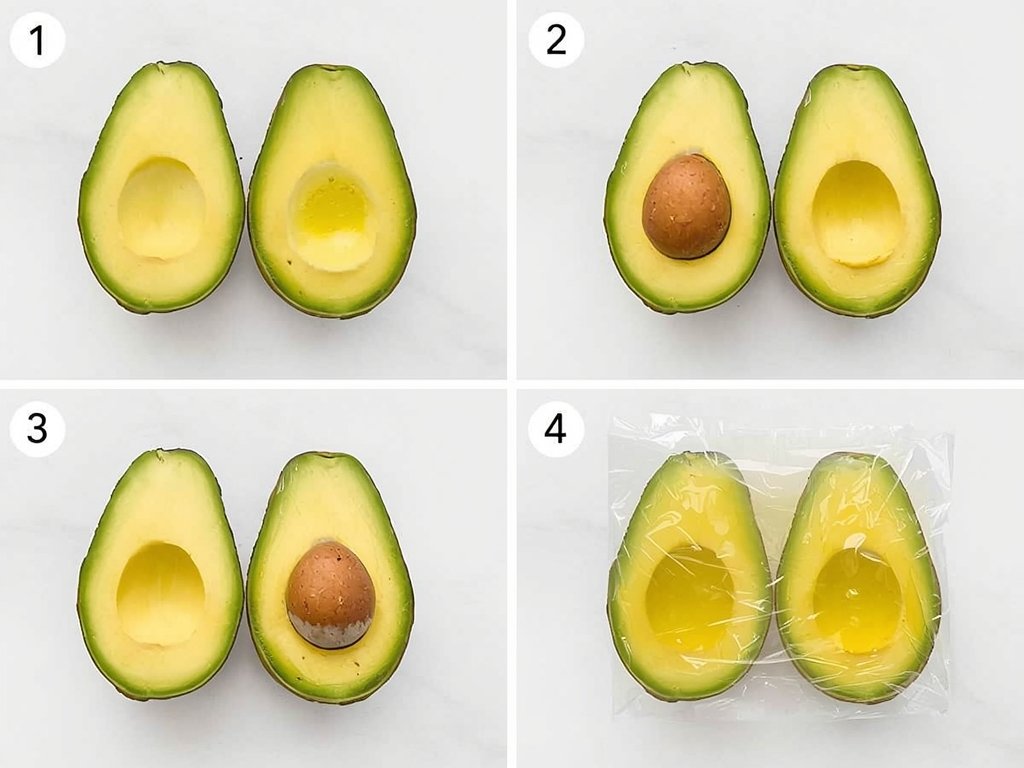
If the water submerge method isn’t your cup of tea, fear not – there are plenty of other techniques to keep your avocados looking and tasting fresh. From citrus juices to oils and even plastic wrap, each method has its own unique advantages and drawbacks.
Let’s explore some of the most popular alternatives and see how they stack up against the water submerge method.
Citrus Juices: A Tangy Twist
Squeezing a bit of lemon, lime, or orange juice over your avocado can help slow down oxidation. The citric acid in these juices lowers the pH of the avocado’s surface, creating an environment that’s less hospitable to the PPO enzymes.
However, be warned – too much citrus can overpower the avocado’s delicate flavor. Use a light hand when applying this method.
Oils: A Slick Solution
Brushing your avocado with a thin layer of oil, such as olive or avocado oil, can create a physical barrier against oxygen. This method not only slows down oxidation but also adds a subtle flavor boost.
Keep in mind that oils can alter the texture of your avocado, making it slightly softer and more delicate. Use sparingly for best results.
Expert Tips for Avocado Freshness
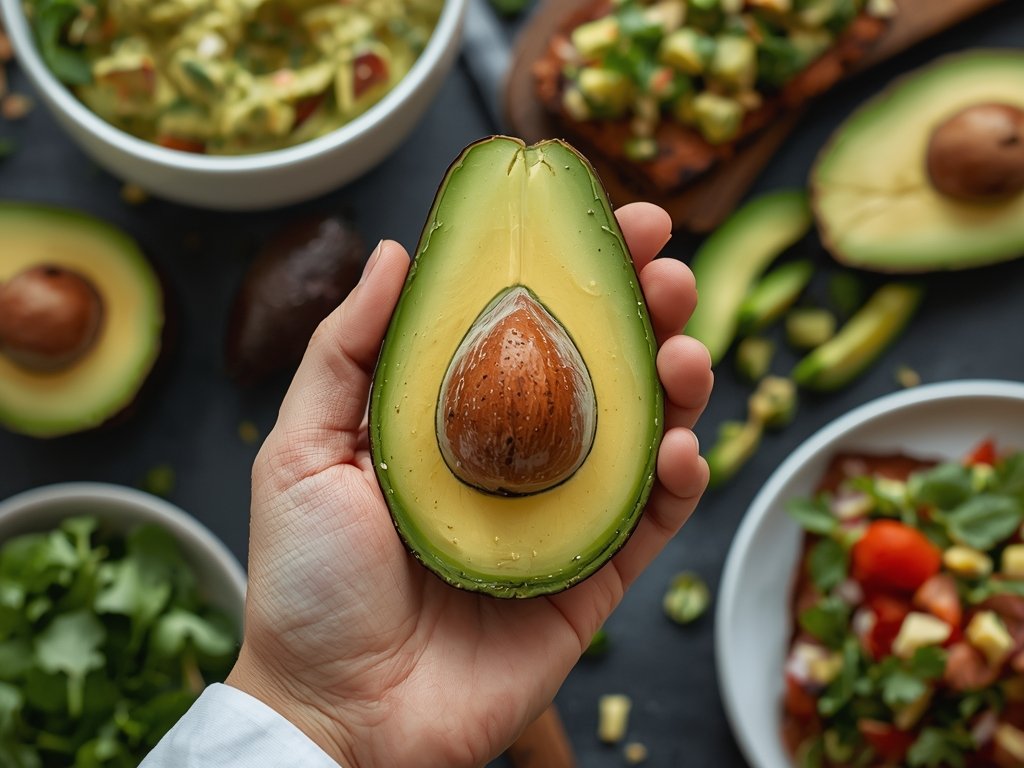
To get the most out of your avocados, it’s essential to store them properly. Here are some expert tips to help you maintain their freshness and flavor:
- Store unripe avocados at room temperature until they’re ready to eat.
- Keep ripe avocados in the refrigerator to slow down the ripening process.
- Use a paper towel to absorb excess moisture when storing cut avocados.
- Consider investing in an avocado keeper, a specialized container designed to maintain freshness.
Ripening Avocados: A Delicate Balance
Knowing when your avocado is perfectly ripe is key to enjoying its optimal flavor and texture. Here are some signs to look for:
- The avocado yields slightly to gentle pressure.
- The stem end comes off easily, revealing a green underside.
- The skin is deep green, almost black, and free from large bruises or blemishes.
FAQ: Your Avocado Questions Answered
Can I freeze avocados to prevent browning?
Yes, you can freeze avocados, but it’s best to do so in a puree or mash form. Frozen avocado halves can become watery and lose their texture when thawed.
How long can I store an avocado half using the water submerge method?
The water submerge method can extend the freshness of an avocado half by up to 24 hours. However, for best results, consume the avocado within 12 hours.
Is it safe to eat a brown avocado?
While a brown avocado may not look appetizing, it’s generally safe to eat. The browning is a result of oxidation, not spoilage. However, if the avocado has an off odor or taste, it’s best to discard it.
Can I use the water submerge method for other fruits and vegetables?
Yes, the water submerge method can be effective for other produce items prone to oxidation, such as apples, pears, and potatoes. However, results may vary depending on the specific fruit or vegetable.
What’s the best way to ripen an avocado quickly?
To ripen an avocado quickly, place it in a paper bag with a banana or apple. The ethylene gas produced by these fruits will accelerate the ripening process. Check the avocado daily for ripeness.

Lina leads the Fresh Hacks category, covering food storage tips, freshness preservation, and smart ways to extend the life of your groceries. Her guides help readers keep ingredients at peak quality for longer.

← Previous
Freeze Flour to Prevent Pests and Rancidity: A Complete Guide
Next →
Mushroom Paper Bags: The Secret to Fresh, Slime-Free Fungi