Follow Me On Social Media!

Clean Fridge Shelves Naturally: No Harsh Chemicals Needed
Ditch the Chemicals: A Guide to Naturally Clean Fridge Shelves
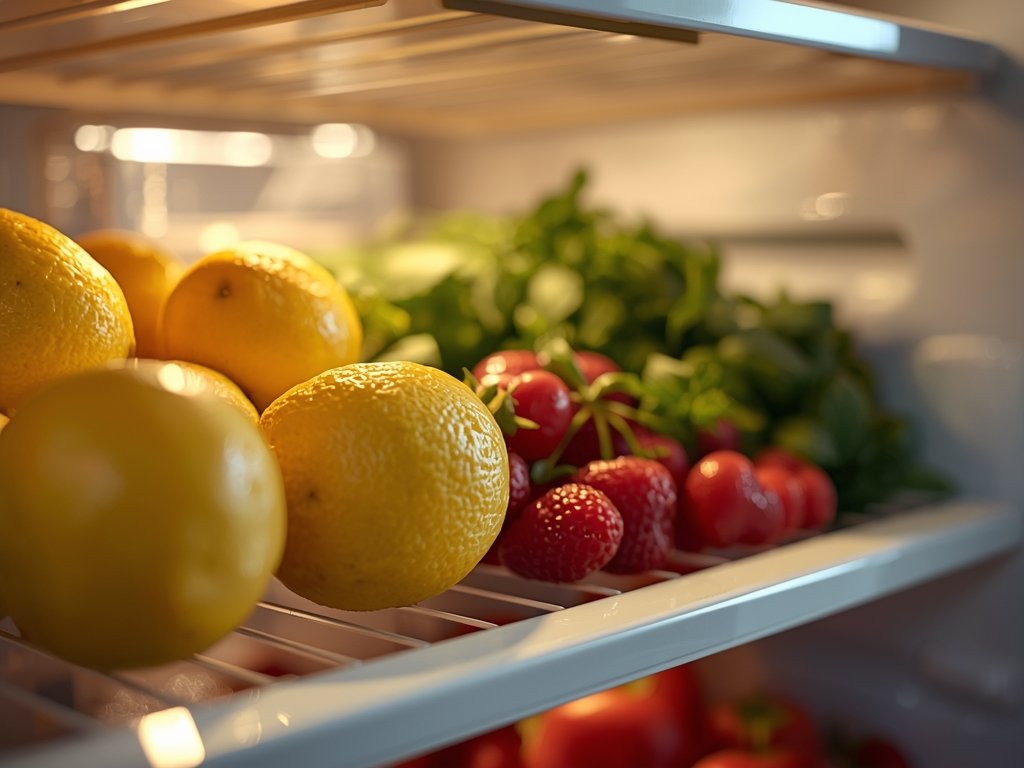
Keeping your refrigerator clean is essential for food safety and freshness. But who wants to use harsh chemicals near where we store our food? Luckily, there are plenty of natural, effective ways to sanitize your fridge shelves without resorting to bleach or ammonia.
Why Natural Cleaning Matters
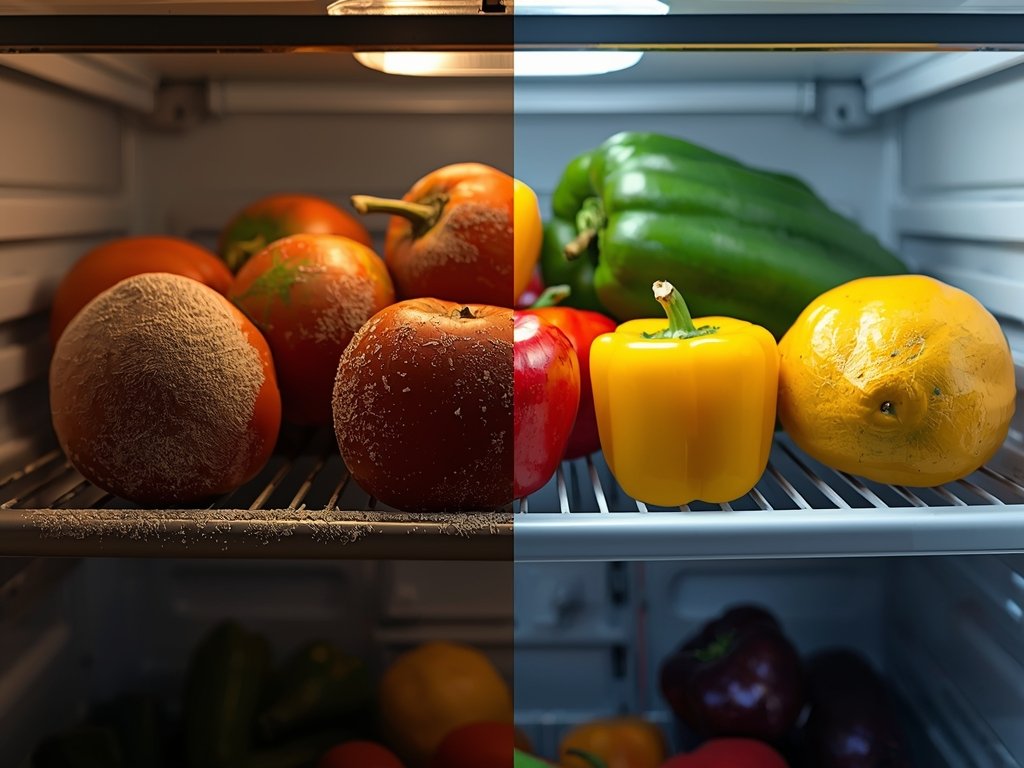
Traditional cleaning products often contain chemicals that can leave behind residues or fumes. In a space as confined as your fridge, these can linger and potentially contaminate your food. Natural cleaners, on the other hand, are safe, eco-friendly, and just as effective at tackling grime and bacteria.
The Risks of Chemical Residues
Many commercial cleaners contain ingredients like chlorine bleach or synthetic fragrances. These can be irritating to breathe in and may leave traces on surfaces. When you’re storing fresh fruits, veggies, and leftovers, the last thing you want is chemical residue seeping into your meals.
Benefits of Natural Alternatives
Natural cleaners like vinegar, baking soda, and essential oils are gentle yet powerful. They’re affordable, readily available, and won’t harm your family or the environment. Plus, they leave your fridge smelling fresh—think citrusy or herbal, not chemically.
Gather Your Natural Cleaning Arsenal
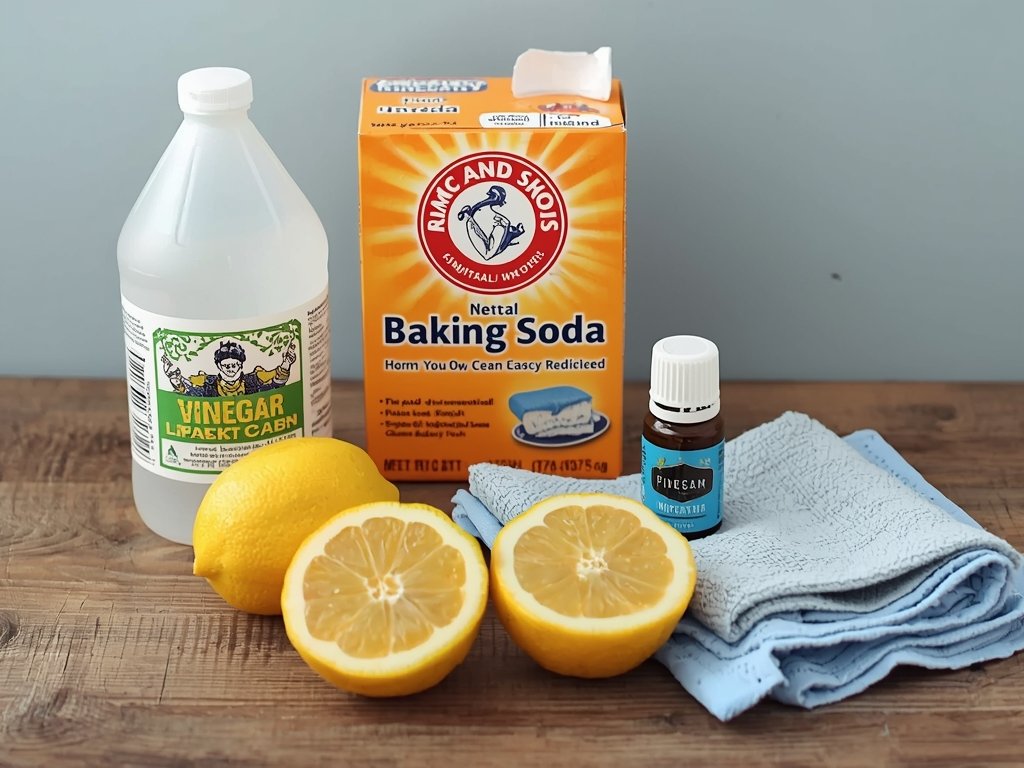
Before you start scrubbing, assemble your supplies. Most of these items are probably already in your pantry or medicine cabinet. Here’s what you’ll need:
- White Vinegar: A natural disinfectant that cuts through grease and grime.
- Baking Soda: Great for scrubbing away stains and neutralizing odors.
- Lemons or Lemon Essential Oil: Adds a fresh scent and boosts cleaning power.
- Microfiber Cloths or Sponges: Gentle on surfaces but tough on dirt.
- Warm Water: To dilute solutions and rinse away residue.
Optional Add-Ins
For extra cleaning power or a pleasant aroma, consider adding these:
- Tea Tree Oil: A natural antimicrobial agent.
- Castile Soap: A gentle, plant-based cleaner for stubborn spots.
- Hydrogen Peroxide: Great for disinfecting and brightening surfaces.
Step-by-Step Guide to Cleaning Your Fridge Shelves

Now that you’re equipped, let’s dive into the cleaning process. Follow these steps for a spotless, chemical-free fridge:
1. Empty and Declutter
Start by removing everything from your fridge. This is a great opportunity to check expiration dates and toss anything past its prime. Wipe down jars and containers before setting them aside.
2. Remove Shelves and Drawers
If possible, take out shelves and drawers for easier cleaning. Check your fridge manual for instructions on how to safely remove and handle these parts. Place them on a flat surface, like your kitchen counter or table.
3. Prepare Your Cleaning Solutions
Mix equal parts white vinegar and warm water in a spray bottle. For stubborn stains, make a paste of baking soda and water. If you’re using essential oils, add 5-10 drops to your vinegar solution for a fresh scent.
4. Clean and Disinfect
Spray the vinegar solution onto shelves and drawers, letting it sit for a few minutes to loosen grime. Scrub gently with a microfiber cloth or sponge. For tough stains, apply the baking soda paste, let it sit for 10 minutes, then scrub and rinse.
5. Rinse and Dry
Wipe down surfaces with a damp cloth to remove any residue, then dry thoroughly with a clean towel. Moisture can lead to mold or mildew, so ensure everything is completely dry before reassembling.
6. Reassemble and Organize
Once everything is clean and dry, put the shelves and drawers back in place. As you return items to the fridge, group similar foods together and place newer items behind older ones to ensure everything gets used.
Tips for Maintaining a Clean Fridge

Keeping your fridge clean doesn’t have to be a chore. With a few simple habits, you can maintain freshness and prevent buildup:
1. Wipe Spills Immediately
Accidents happen, but addressing spills right away prevents stains and odors. Keep a microfiber cloth handy for quick cleanups.
2. Use Natural Deodorizers
Place an open box of baking soda or a small dish of activated charcoal in your fridge to absorb odors. Change it monthly for best results.
3. Store Food Properly
Use airtight containers to prevent spills and keep foods fresh longer. Label leftovers with dates to avoid forgotten meals turning into science experiments.
4. Regularly Declutter
Set a reminder to go through your fridge weekly. Toss expired items and wipe down shelves to keep everything tidy and hygienic.
FAQ: Your Questions Answered
How often should I clean my fridge shelves?
Aim to deep clean your fridge shelves every 3-4 months. Wipe down spills and stains as they happen to prevent buildup.
Can I use apple cider vinegar instead of white vinegar?
While apple cider vinegar works, its stronger scent may linger. White vinegar is milder and more effective for cleaning.
Is baking soda safe for all fridge surfaces?
Yes, baking soda is gentle and safe for most surfaces. Avoid using it on stainless steel exteriors, as it can scratch the finish.
How do I clean the fridge’s exterior naturally?
For stainless steel, use a mixture of vinegar and water or olive oil for polishing. For other finishes, a damp microfiber cloth works well.
Can I skip rinsing if I use natural cleaners?
It’s best to rinse, even with natural cleaners, to remove any residue. Use a damp cloth followed by a dry one for a streak-free finish.