Follow Me On Social Media!

Slow Cooker Secrets: Fix Dry Meat with These Simple Tips
The Slow Cooker Conundrum: Why Your Meat’s Turning Tough

Slow cookers are a staple in many American kitchens, especially during the colder months when hearty stews and roasts are on the menu. But there’s nothing worse than lifting the lid after hours of cooking to find your meat dry and tough, instead of tender and juicy. If you’ve ever wondered why your slow cooker seems to be working against you, you’re not alone.
The slow cooker, often referred to as a crock pot, is designed to cook food at a low temperature over an extended period. This method is ideal for breaking down tough cuts of meat, making them tender and flavorful. However, several common mistakes can lead to less-than-desirable results.
Mistake #1: Overcooking – The Silent Culprit
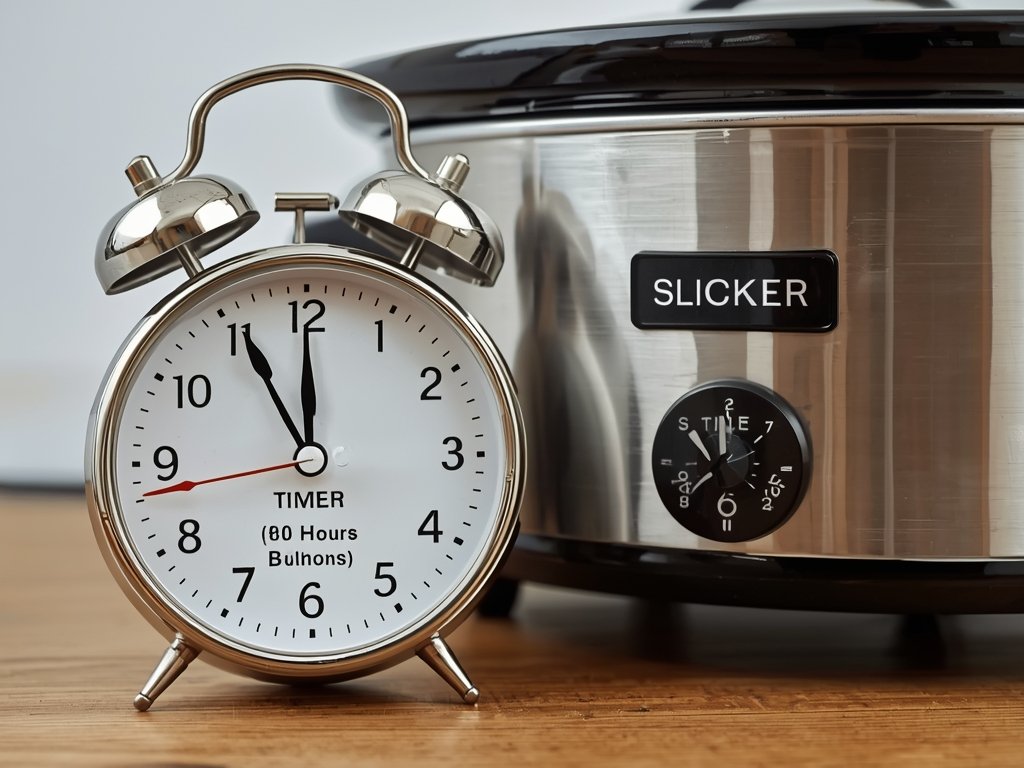
One of the most common reasons for dry meat in a slow cooker is overcooking. It’s easy to think that if a little is good, more is better, but that’s not the case with slow cooking. Meat cooked beyond its optimal time can become dry and stringy, losing its moisture and tenderness.
Different cuts of meat have different cooking times. For example, a chuck roast might need 8-10 hours on low, while chicken breasts could be done in 4-6 hours. Always refer to a reliable recipe or cooking guide to determine the appropriate cooking time for your specific cut of meat.
The Low and Slow Philosophy
The beauty of a slow cooker lies in its ability to transform tough, inexpensive cuts of meat into delicious, tender dishes. This is achieved through low-temperature cooking over an extended period. However, this also means that it’s crucial to respect the cooking time. Overdoing it, even by an hour or two, can lead to dry, overcooked meat.
A good rule of thumb is to start checking your meat about an hour before the recommended cooking time ends. This allows you to catch it at its perfect moment, ensuring a juicy, flavorful result.
Mistake #2: Not Enough Liquid – The Moisture Myth
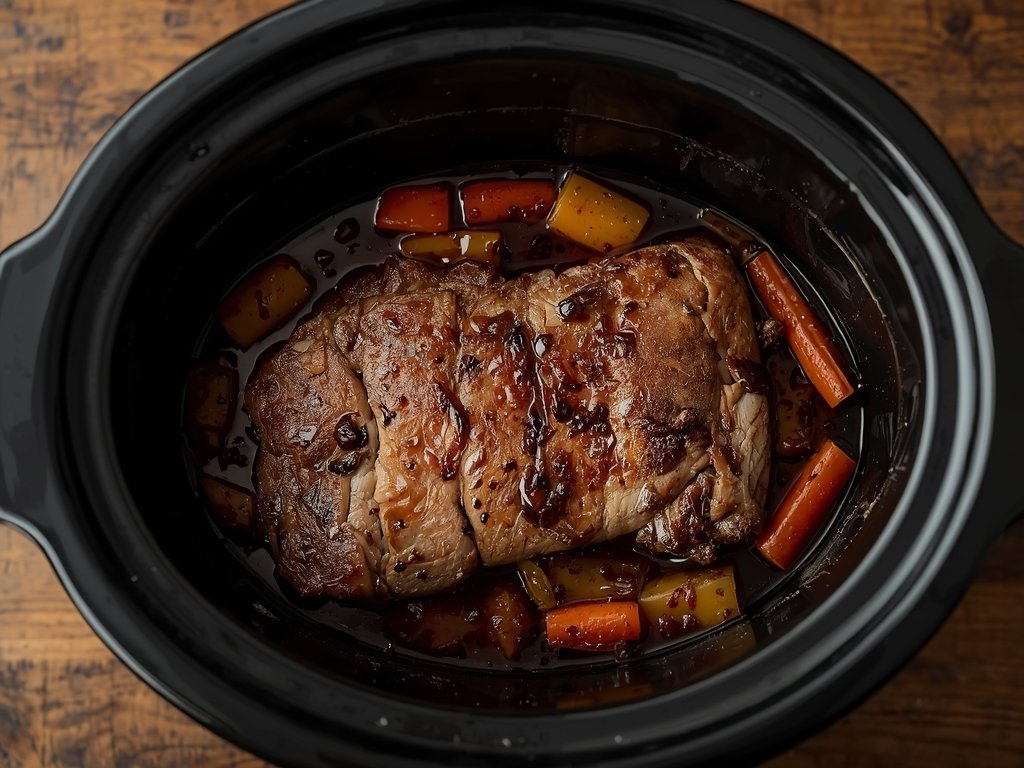
Another common mistake is not adding enough liquid to the slow cooker. While it’s true that slow cookers are designed to cook food in a moist environment, they don’t create moisture out of thin air. The liquid you add at the beginning is what creates the steam that cooks your food and keeps it moist.
Not enough liquid can lead to a dry cooking environment, causing your meat to toughen up. However, too much liquid can also be a problem, diluting flavors and leading to a boiled rather than a braised texture. Striking the right balance is key.
The Liquid-to-Meat Ratio
As a general guideline, aim for about 1/2 to 2/3 cup of liquid per pound of meat. This can be a combination of broth, wine, tomato sauce, or even water. The liquid should just cover the bottom of the slow cooker, not submerge the meat entirely.
Remember, the liquid also contributes to the flavor of your dish. Choosing a flavorful liquid can enhance the taste of your meat, making it even more delicious.
Mistake #3: Lifting the Lid – A Tempting but Costly Error
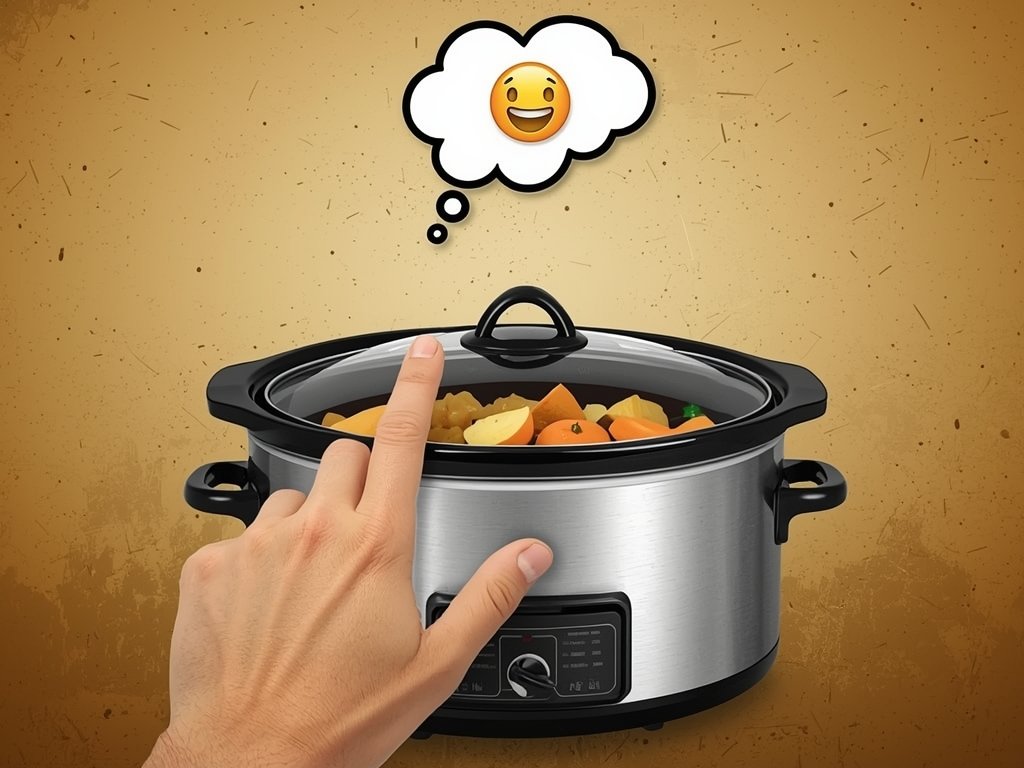
It’s tempting to lift the lid and check on your slow cooker’s progress, especially when those delicious aromas start filling your kitchen. However, every time you lift the lid, you let out heat and moisture, which can significantly impact your cooking time and the final texture of your meat.
Each time the lid is lifted, the internal temperature of the slow cooker drops, and it takes about 15-20 minutes for it to recover. This can add up over the course of several hours, leading to overcooking or uneven cooking.
Resist the Urge to Peek
To avoid this mistake, plan ahead and trust the process. If you’re using a reliable recipe, it should give you a good estimate of the cooking time. Only lift the lid when you’re close to the end of the cooking time and need to check for doneness.
If you’re concerned about the cooking process, consider using a slow cooker with a clear lid or a model that has a “warm” setting, which can help maintain a more consistent temperature.
Mistake #4: Choosing the Wrong Cut – Not All Meat is Created Equal
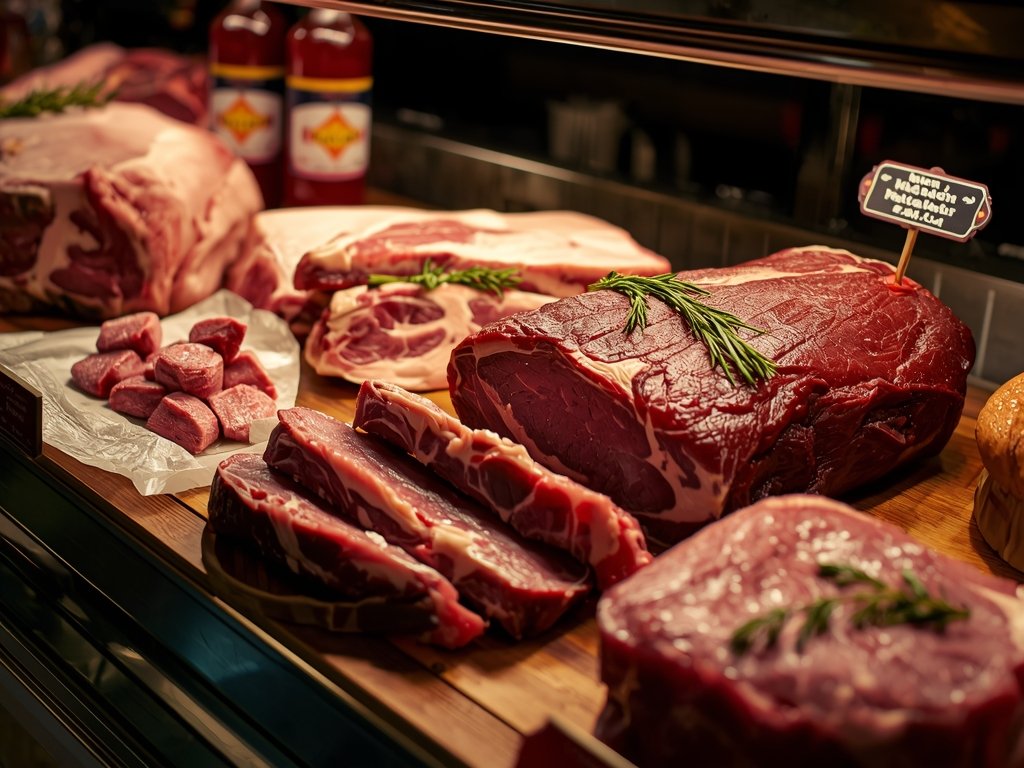
Not all cuts of meat are suited for slow cooking. While slow cookers excel at tenderizing tough cuts, they can’t work miracles with every type of meat. Choosing the right cut is crucial for achieving that fall-apart tender texture we all love.
Tough cuts from the shoulder or leg, like chuck roast, brisket, and pork shoulder, are ideal for slow cooking. These cuts have more connective tissue, which breaks down during the long cooking process, adding flavor and moisture to the meat.
Match the Cut to the Cooking Method
On the other hand, tender cuts like tenderloin or chicken breasts can become dry and overcooked in a slow cooker. These cuts are better suited for quick-cooking methods like grilling or pan-searing.
When selecting meat for your slow cooker, look for cuts labeled as “stew meat,” “pot roast,” or “chuck.” These are typically the tougher cuts that will benefit most from slow cooking.
The Art of Slow Cooking: Putting It All Together

Now that we’ve covered the common mistakes, let’s talk about how to get it right. Slow cooking is as much an art as it is a science, and mastering it can open up a world of delicious possibilities.
Start by choosing the right cut of meat and a reliable recipe. Prepare your ingredients, adding just enough liquid to create a moist environment without drowning your meat. Set your slow cooker to the appropriate temperature and time, and then resist the urge to lift the lid.
Final Touches for Perfection
Once your meat is cooked to perfection, there are a few final touches you can add to take your dish from good to great. A quick sear in a hot pan can add a beautiful crust and deepen the flavors. Alternatively, a sprinkle of fresh herbs or a squeeze of citrus can brighten up the dish.
Remember, slow cooking is a forgiving method, but it’s not foolproof. By avoiding these common mistakes and following a few simple guidelines, you can ensure that your slow-cooked meat is always tender, juicy, and full of flavor.
FAQ
Can I use frozen meat in a slow cooker?
It’s not recommended to use frozen meat in a slow cooker, as it can affect the cooking time and temperature, leading to uneven cooking and potential food safety issues. Always thaw your meat in the refrigerator before slow cooking.
How do I know when my meat is done in a slow cooker?
The best way to check for doneness is to use a meat thermometer. For most meats, you’re looking for an internal temperature of 165°F (74°C) for poultry and 145°F (63°C) for beef, pork, and lamb, followed by a 3-minute rest.
Can I leave my slow cooker on warm overnight?
While it’s generally safe to leave a slow cooker on warm for a few hours, it’s not recommended to leave it unattended overnight. The warm setting is not designed for extended cooking and can lead to overcooking or food safety issues.
How can I thicken the sauce in my slow cooker?
To thicken the sauce, you can mix a tablespoon of cornstarch with an equal amount of cold water, then stir it into the slow cooker. Turn the heat to high and let it simmer for about 10-15 minutes, or until the sauce reaches your desired consistency.
Is it necessary to brown the meat before slow cooking?
While not necessary, browning the meat before slow cooking can add depth of flavor and a beautiful color to your dish. It’s an extra step, but one that can elevate your slow-cooked meals to the next level.