Follow Me On Social Media!

Master the Water Drop Trick for Perfect Stainless Steel Cooking
The Water Drop Test: A Time-Honored Kitchen Trick

If you’ve ever wondered how professional chefs know when their stainless steel pans are perfectly preheated, it’s time to let you in on a little secret. It’s not just about guessing or relying on a timer. There’s a simple, yet incredibly effective trick that’s been passed down through generations of cooks: the water drop test.
This method is not only a testament to the precision of traditional cooking techniques but also a great way to ensure your food cooks evenly and perfectly every time. Whether you’re searing a steak, sautéing vegetables, or whipping up a delicate sauce, mastering this trick will elevate your cooking game.
Why Stainless Steel Pans Need the Right Heat

Stainless steel pans are a staple in many American kitchens, prized for their durability and even heat distribution. However, they can be a bit finicky when it comes to temperature control. Unlike non-stick pans, stainless steel requires a bit more attention to detail to prevent food from sticking and to achieve that perfect sear or sauté.
The key to success with stainless steel is preheating the pan to the right temperature. Too low, and your food will stew instead of sear; too high, and you risk burning it. This is where the water drop test comes in, offering a simple and foolproof way to gauge the pan’s temperature.
How to Perform the Water Drop Test
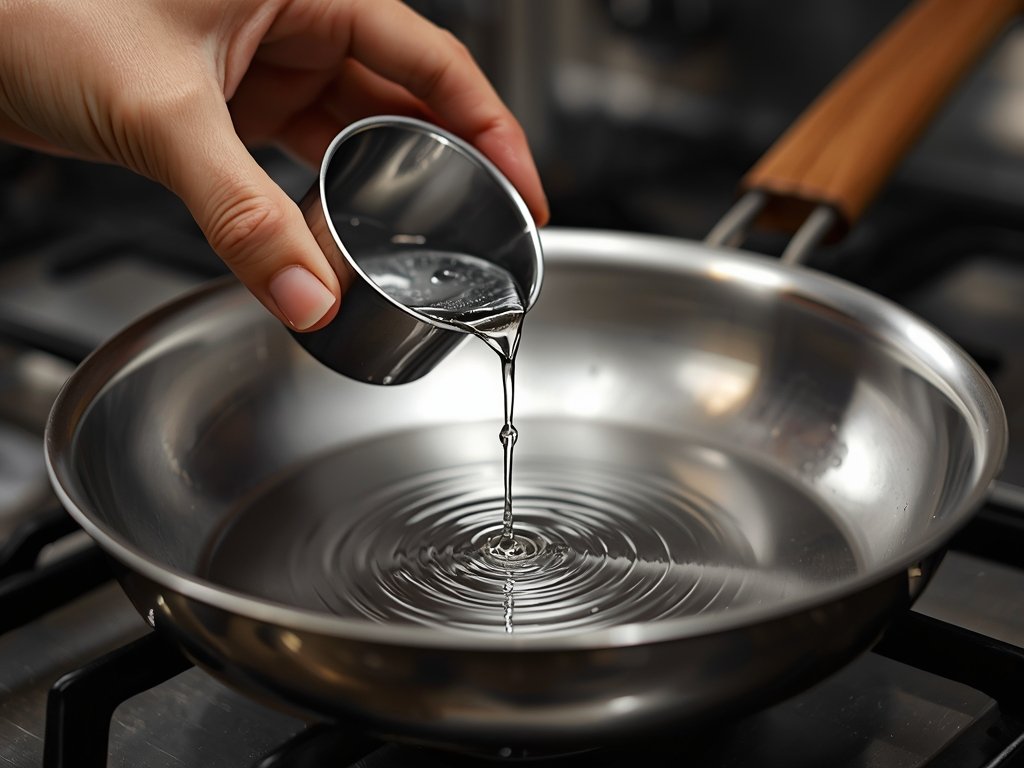
The water drop test is incredibly straightforward, requiring nothing more than a few drops of water and your stainless steel pan. Here’s how to do it:
- Preheat Your Pan: Place your stainless steel pan on the stove and turn the heat to medium-high. Allow it to heat up for a few minutes.
- Sprinkle Water Drops: Carefully sprinkle a few drops of water onto the pan’s surface. You can use a small spoon or your fingers, but be cautious as the pan will be hot.
- Observe the Reaction: Watch the water drops closely. If they sizzle and evaporate almost immediately, forming a pattern that looks like they’re dancing across the surface, your pan is ready.
This reaction indicates that the pan has reached the ideal temperature for cooking, typically between 350°F and 400°F (177°C to 204°C). At this temperature, the pan will promote even cooking and prevent sticking, ensuring your food turns out just right.
The Science Behind the Sizzle
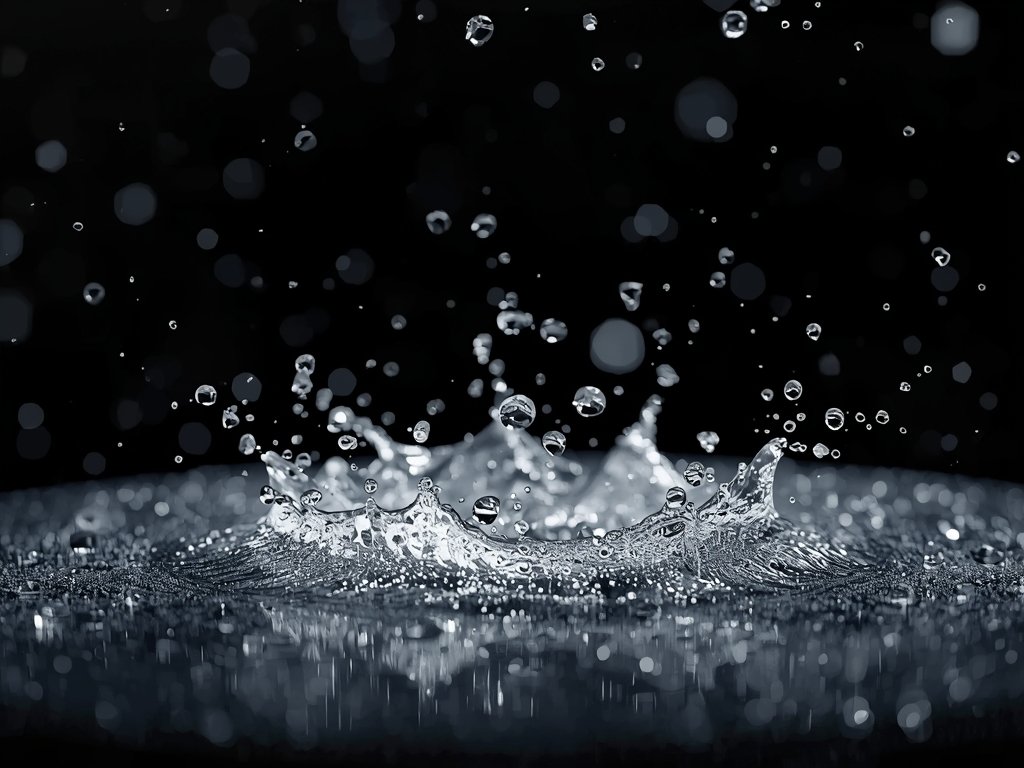
The magic behind the water drop test lies in a phenomenon known as the Leidenfrost effect. When a liquid, like water, comes into contact with a surface that’s much hotter than its boiling point, it doesn’t immediately evaporate. Instead, a thin layer of vapor forms between the liquid and the surface, causing the droplet to hover and dance.
This effect is what you’re observing when the water drops sizzle and move around the pan. It’s a visual cue that the pan has reached a temperature where the vapor layer can form, indicating it’s hot enough for cooking. This method is not only fascinating but also incredibly practical, allowing you to achieve professional-level results in your own kitchen.
Common Mistakes to Avoid
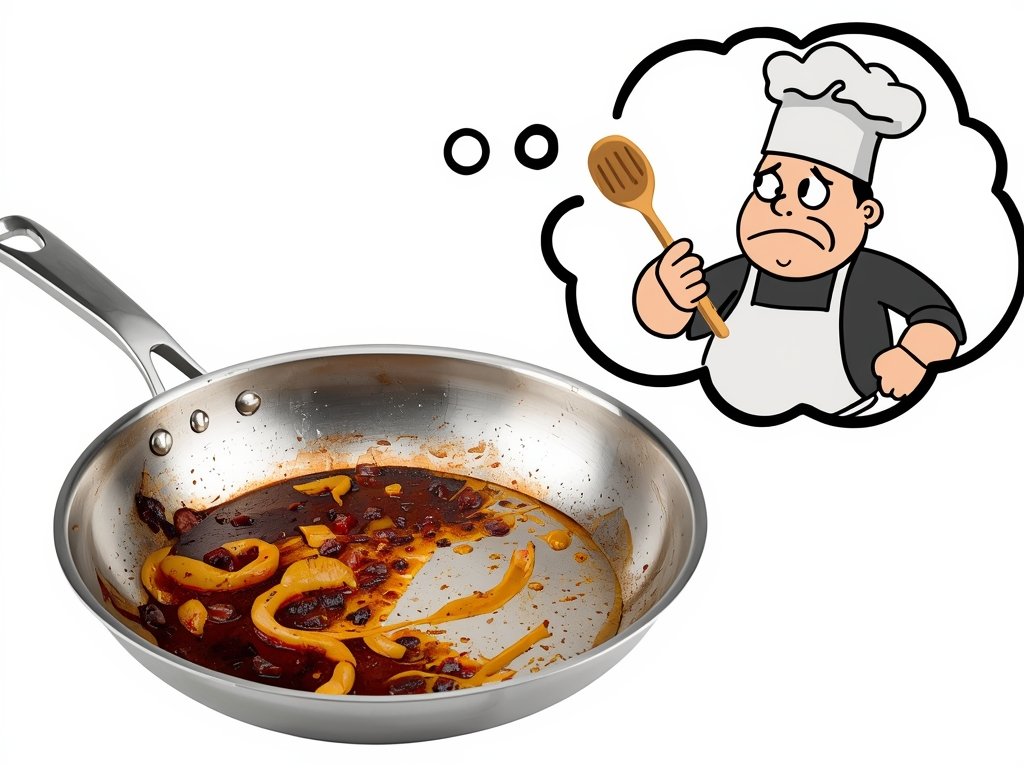
While the water drop test is simple, there are a few common mistakes that can lead to less-than-perfect results. Here are some pitfalls to avoid:
- Overheating the Pan: If the water drops evaporate too quickly or burn off instantly, your pan is too hot. This can lead to burnt food and a ruined meal. Turn down the heat and let the pan cool slightly before trying again.
- Underheating the Pan: If the water drops just sit there without sizzling, your pan isn’t hot enough. Your food will likely stick and cook unevenly. Increase the heat and give the pan more time to preheat.
- Using Too Much Water: A few drops are all you need. Pouring too much water can cool the pan down and give you an inaccurate reading. Be precise with your drops.
By avoiding these mistakes, you’ll ensure that your stainless steel pan is always at the perfect temperature for whatever dish you’re preparing.
Tips for Perfect Cooking with Stainless Steel
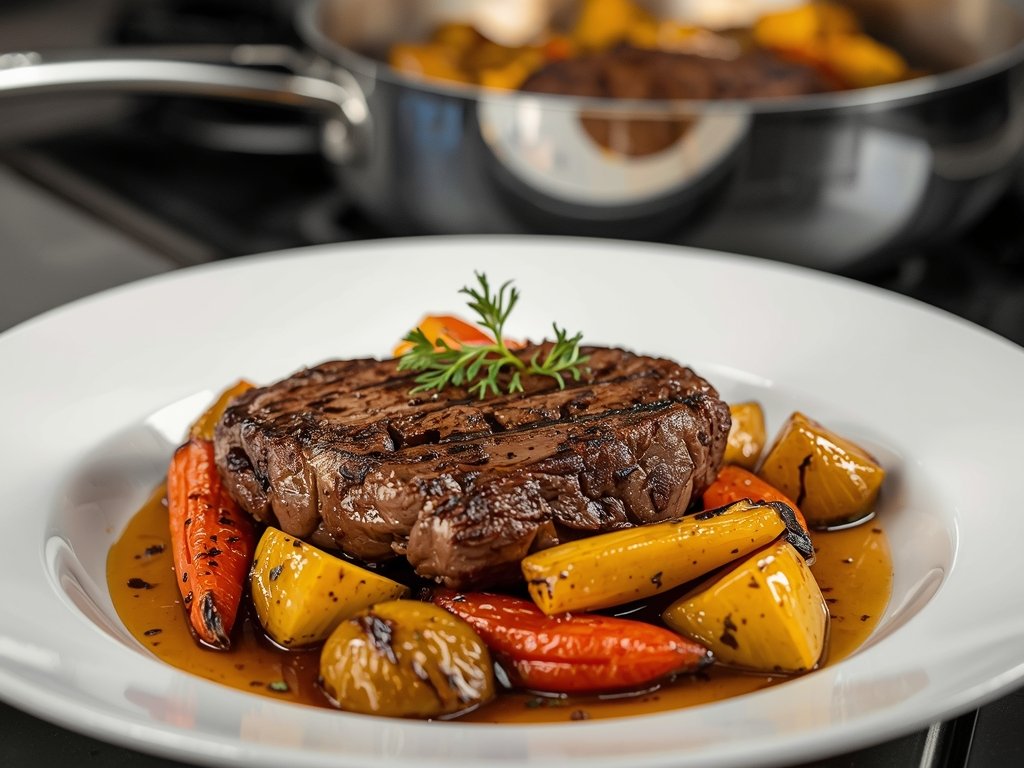
Now that you’ve mastered the water drop test, here are some additional tips to help you get the most out of your stainless steel pans:
- Use the Right Oil: Choose an oil with a high smoke point, like avocado or grapeseed oil, to prevent burning and promote even cooking.
- Preheat with Oil: Add your oil to the pan while it’s cold and let it heat up together. This helps the oil distribute evenly and prevents hot spots.
- Don’t Crowd the Pan: Give your food space to cook properly. Overcrowding can cause steaming instead of searing, leading to less flavorful results.
- Clean Properly: After cooking, let the pan cool, then soak it in warm, soapy water. Use a non-abrasive sponge to clean, preserving the pan’s finish.
By following these tips and using the water drop test, you’ll be able to cook like a pro, achieving perfectly seared meats, vibrant vegetables, and delicious sauces every time.
FAQ
What if the water drops don’t sizzle at all?
If the water drops don’t sizzle, your pan isn’t hot enough. Increase the heat and wait a few more minutes before testing again. Patience is key to achieving the perfect temperature.
Can I use this method with other types of pans?
The water drop test works best with stainless steel pans due to their even heat distribution. While you can try it with other materials, the results may not be as accurate or consistent.
How often should I perform the water drop test?
Perform the test each time you preheat your pan, especially if you’re cooking different types of food. This ensures that your pan is always at the right temperature for optimal cooking.
What if my pan is too hot and the water burns off instantly?
If the water burns off instantly, your pan is too hot. Turn down the heat and let the pan cool for a minute or two before testing again. This will prevent your food from burning and ensure even cooking.