Follow Me On Social Media!

Reheating Chipotle Quesadillas: Skillet vs. Air Fryer Method
You know that specific disappointment. You open the fridge at 11:47 PM—maybe you just got home from a shift, maybe the kids are finally asleep—and there it sits. That foil-wrapped brick from lunch. The Chipotle quesadilla you were too full to finish, now transformed into something that looks like it spent the afternoon in a sauna. The tortilla has gone translucent and clammy. The cheese inside has tightened into that rubbery, almost squeaky texture that makes you wonder if dairy can actually hold a grudge.
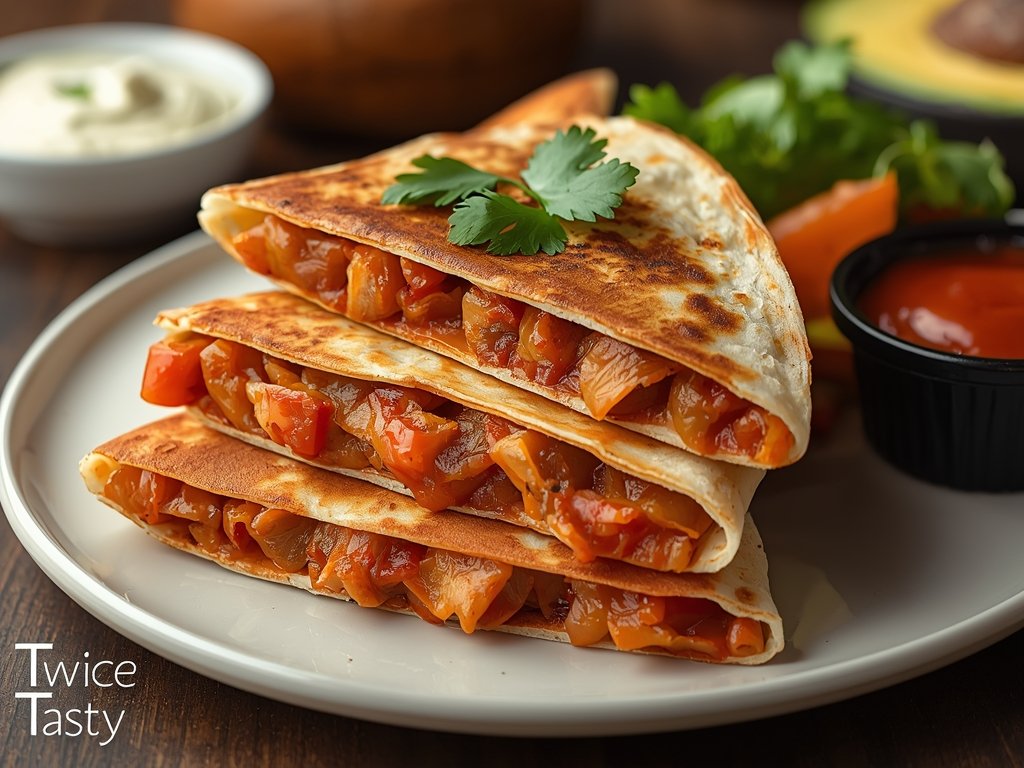
We’ve all nuked it anyway, haven’t we? Thirty seconds, maybe forty. The microwave hums. You unwrap the foil—steam hits your glasses—and take a bite. The edges are somehow scalding and soggy simultaneously. The center remains stubbornly cold, a dense pocket of congealed sour cream and rice that tastes like refrigerator. The tortilla has achieved the structural integrity of wet cardboard. You eat it standing over the sink, telling yourself calories don’t count when you’re tired, but knowing deep down you’ve just committed a crime against that beautiful, crispy, melty thing you paid twelve dollars for six hours ago.
Why Your Midnight Snack Turned Into a Science Experiment Gone Wrong
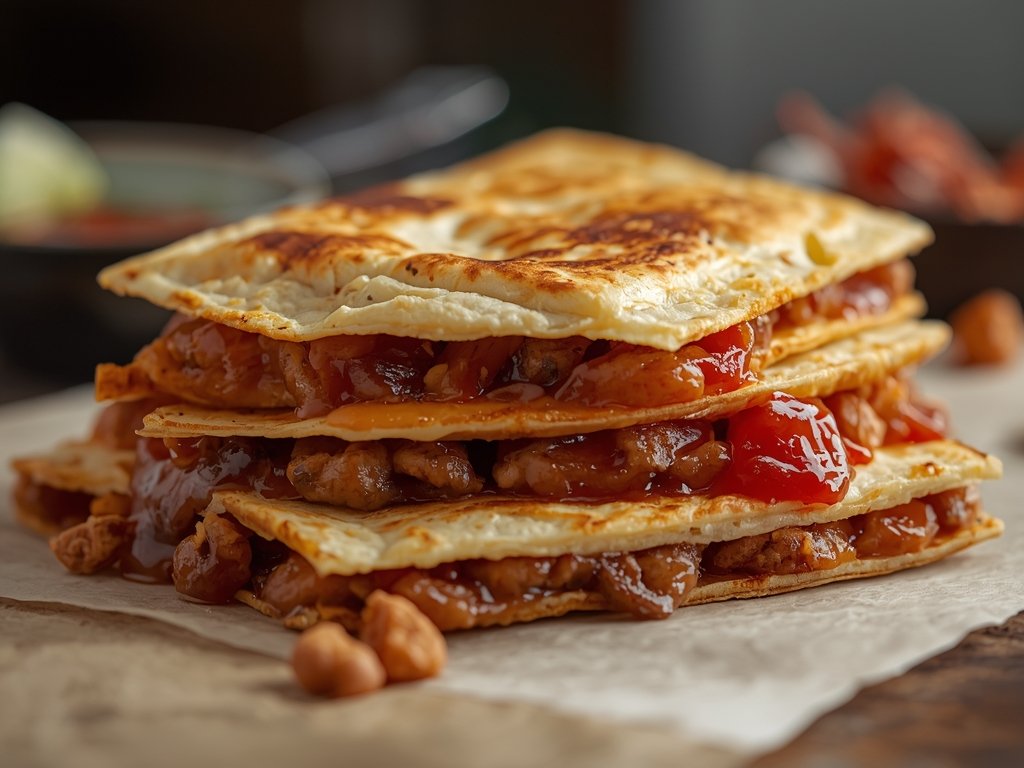
Here’s what actually happened while that poor quesadilla sat in your crisper drawer, and why your microwave betrayed you. Tortillas are essentially sheets of starch granules suspended in a matrix of gluten and fat. When fresh off the plancha, those starches are swollen with moisture, tender but structured. In the cold of your refrigerator, something called starch retrogradation kicks in—those granules tighten up, squeezing out moisture and realigning into a crystalline structure that’s firm, brittle, and resistant to rehydration. That’s why cold tortillas taste stale even when they’re not actually old; the starch has literally changed its molecular architecture.
Meanwhile, your cheese underwent its own identity crisis. When cheese melts initially, the heat breaks down the protein structure and allows fat to separate and pool. As it cools, those proteins re-bond into a tighter, more rigid network—think of it like a muscle cramp at the dairy level. The fats solidify into distinct pockets rather than remaining emulsified. When you blast this with microwave radiation, you’re essentially steaming the interior from the inside out. The water molecules in your chicken, your beans, your pico de gallo—they’re vibrating furiously, creating hot, wet pockets that turn your tortilla into mush while the cheese barely relaxes its grip. You’re not reheating; you’re stewing.
The Skillet Method: Slow Heat, Real Crunch, Actual Redemption
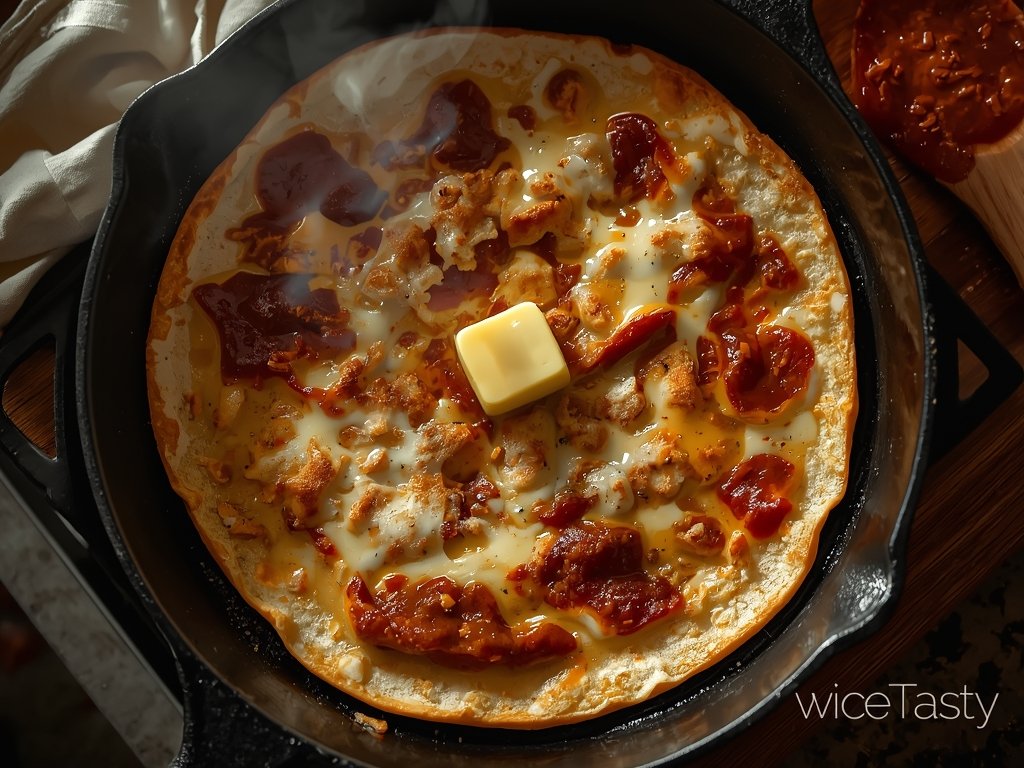
The skillet method understands this. It respects the physics of what you’re dealing with. You pull out your cast iron or your heaviest non-stick—something with thermal mass that won’t panic when cold food hits hot metal. Medium-low heat. Patience. You place that sad, folded wedge directly on the dry surface first, no butter yet, just to drive off surface moisture. You’ll hear it immediately: a gentle tick-tick-tick as trapped condensation escapes from the tortilla layers. This is the sound of redemption beginning.
After ninety seconds, you lift the edge with a thin spatula. The underside has transformed. The dry heat has forced that retrograded starch to re-gelatinize slowly, creating a new crispy exterior while the interior gradually warms. Now—and only now—you add a whisper of fat. A thin smear of butter, maybe a brush of oil with a high smoke point. This isn’t for flavor, though it helps; it’s for heat transfer. Fat conducts thermal energy differently than air or metal, penetrating the tortilla’s surface to warm the filling without shocking it. That first butter sizzle when it hits the pan is your signal that you’re cooking now, not just warming.
You flip it. The underside facing you now carries that lacquered, spotted beauty—the Maillard reaction working its magic on the flour tortilla’s proteins and sugars, creating hundreds of new flavor compounds that weren’t there in the original dish. This is chemistry as alchemy. The cheese inside, warmed gradually from both sides, relaxes back into that molten, stringy state without separating into oil and solids. The chicken, if you ordered chicken, stays juicy because you haven’t boiled it in its own steam. Three minutes per side, maybe four if you started from deep-cold fridge temperature. You’re looking for color, not clock-watching. When the tortilla sounds hollow when tapped and carries the visual freckling of well-toasted bread, you slide it onto a cutting board.
The Air Fryer Gambit: When Convection Becomes Your Best Friend
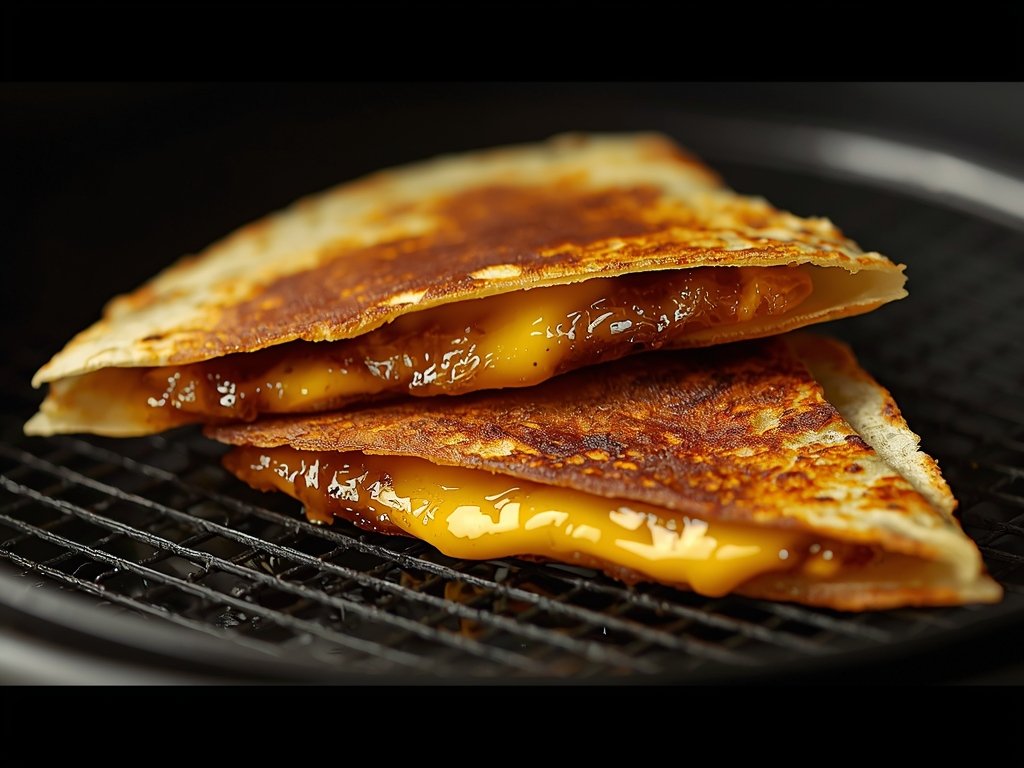
But maybe you’re the type who bought an air fryer during the pandemic and now use it for everything from Brussels sprouts to reheating pizza. There’s a case to be made here too, though it requires a different mindset. The air fryer—really just a compact convection oven—attacks the problem from the opposite angle. Where the skillet method is about gradual, conductive heat penetrating from the surface inward, the air fryer blasts hot, dry air from all directions simultaneously. This is dehydration as resurrection.
Set it to 350°F, not higher. The temptation is to crank it to 400°F and blast away the moisture in sixty seconds, but you’ll end up with a tortilla that’s crispy on the outside and still frigid in the center. The cheese needs time to surrender its cold, rigid structure. Five minutes is the sweet spot for a standard Chipotle quesadilla, placed directly on the basket or on a piece of perforated parchment if you’re worried about cheese escape artists. The circulating air wicks away the surface moisture that makes leftovers sad, re-crisping the exterior while the radiant heat from the basket below warms the filling.
Here’s where the air fryer actually wins: texture uniformity. The skillet gives you that perfect gradient—crispy shell, warm center—but the air fryer creates this almost churro-like exterior crunch across the entire surface. The tortilla becomes shatteringly crisp, almost like a tostada had a baby with a quesadilla. If you’re someone who values that initial crunch of a fresh Chipotle quesadilla above all else, this method gets you closer to the original texture than any other appliance in your kitchen.
Skillet vs. Air Fryer: Picking Your Weapon Based on What You’re Actually Craving
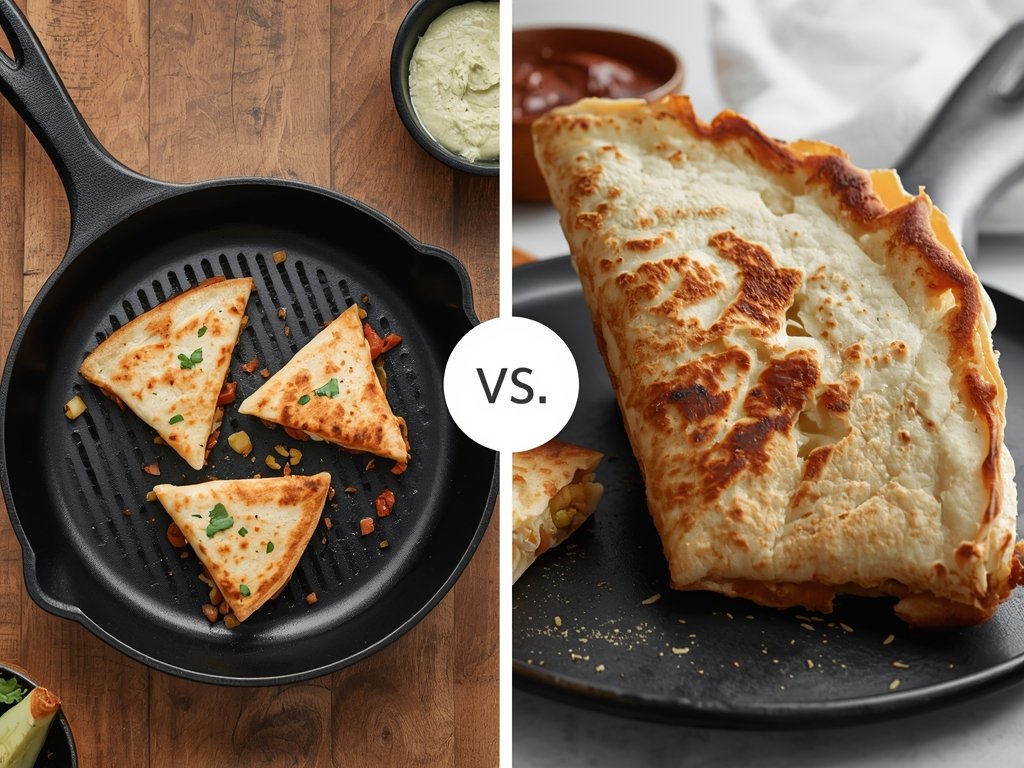
So which deserves your loyalty? It depends on what you’re mourning about the original. If you loved the chew of the tortilla—that slight resistance before your teeth break through to the filling—the skillet is your religion. It restores the flexible, pliable quality of fresh-made while adding that home-cooked crispness that Chipotle’s commercial presses can’t quite achieve. You get layers. You get that butter-kissed flavor that makes you feel like you’re cooking something rather than fixing a mistake.
But if you’re chasing the shatter, that audible crack when you bite down, or if your quesadilla has been in the fridge for two days and has developed that stiff, board-like quality that threatens dental work, the air fryer performs minor miracles. It’s also the better choice if you’re reheating multiple wedges for a crowd, since the skillet demands attention and sequential cooking while the air fryer handles volume with consistent results.
The Upgrade: How to Make Yesterday’s Lunch Better Than Today’s Dinner
There’s a third path, though. One that doesn’t just restore what was lost but actually improves upon the original meal. This is the move that separates people who eat leftovers from people who craft them.
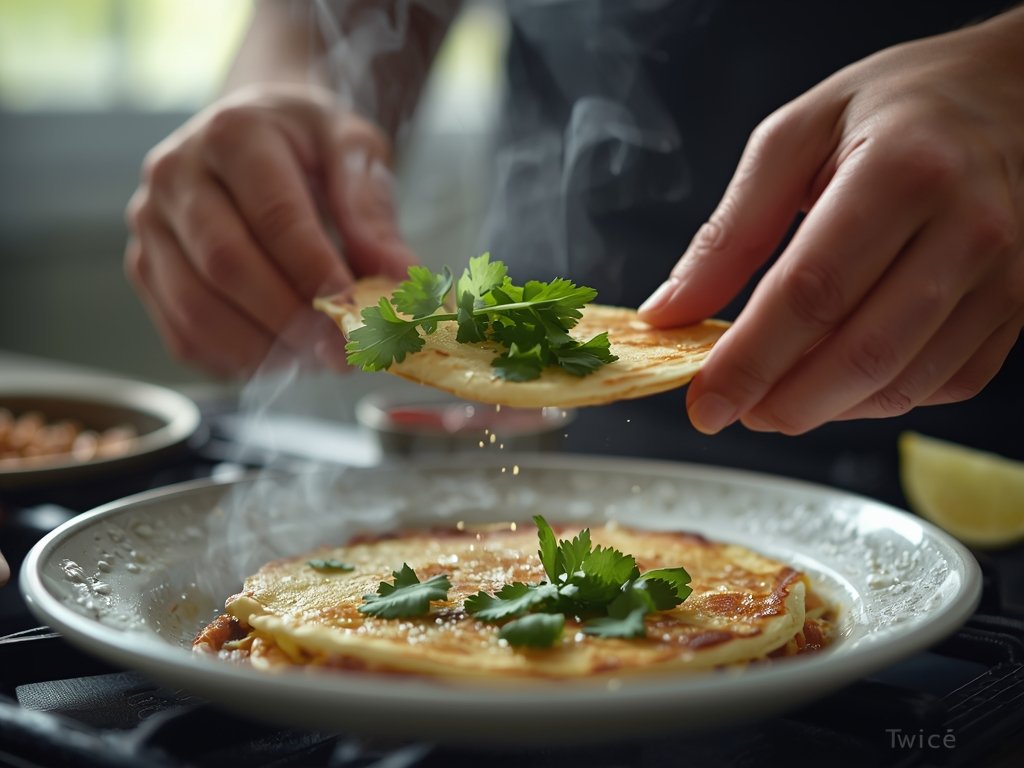
Take your reheated quesadilla—skillet or air fryer, your choice—and immediately open it while it’s screaming hot. Not all the way, just enough to create a pocket. Inside, you’re going to add what Chipotle couldn’t give you fresh: a scatter of fresh cilantro that’s been waiting in your crisper, a squeeze of lime that brightens the now-intensified flavors of the meat, maybe a spoonful of fresh salsa or hot sauce that hasn’t been sitting in foil for eight hours. The residual heat from your perfect reheating method will wilt the herbs just enough to release their oils, will warm the fresh salsa slightly so it integrates rather than sits on top.
This is the secret that restaurant cooks know: leftovers concentrate flavor. The salt has had time to migrate into the proteins. The spices in your carnitas or sofritas have bloomed and married in ways they couldn’t in the first twenty minutes. By reheating with intention—driving off excess moisture, re-crisping the starches, re-emulsifying the fats—you’re not just getting back to baseline. You’re unlocking a deeper, more complex version of what you ate for lunch.
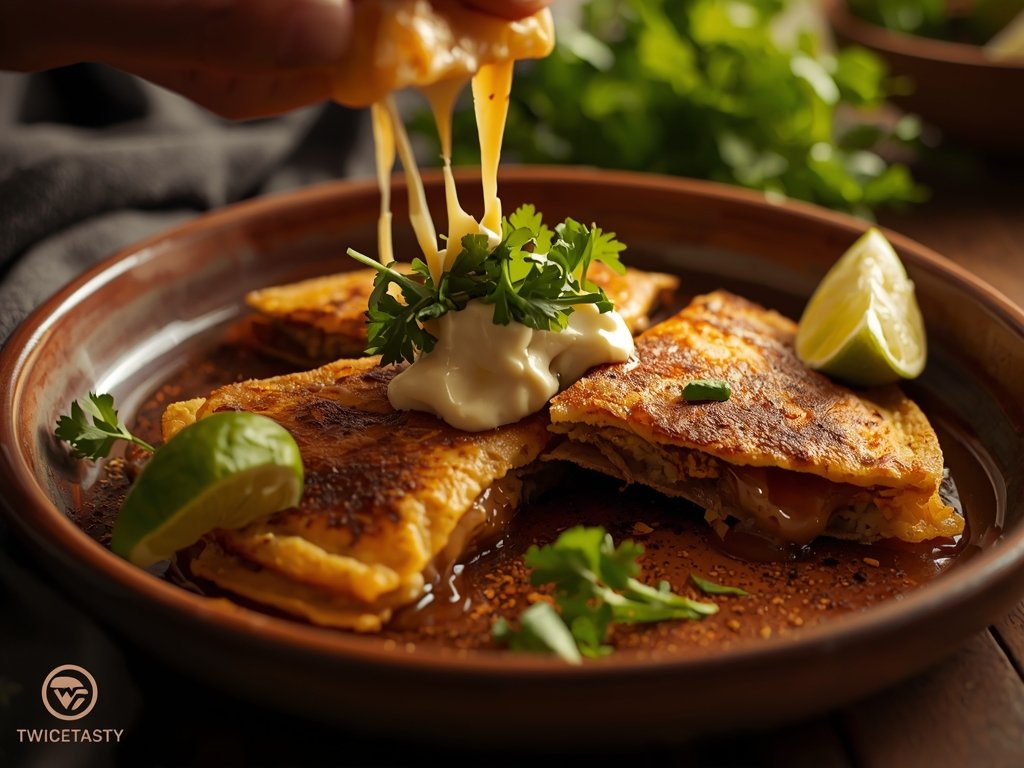
That midnight quesadilla? It’s not a compromise anymore. It’s a second act. The edges turn golden, the cheese pulls in that perfect Instagram-worthy stretch, and when you bite down, you taste the difference between someone who surrendered to the microwave and someone who understood that even leftovers deserve technique. The skillet gives you soul; the air fryer gives you crunch. Both give you back that twelve dollars in ways that make standing over the sink feel like dining at the chef’s counter.